




McLaren explains 100kW power spike that caused Piastri's Australian GP crash
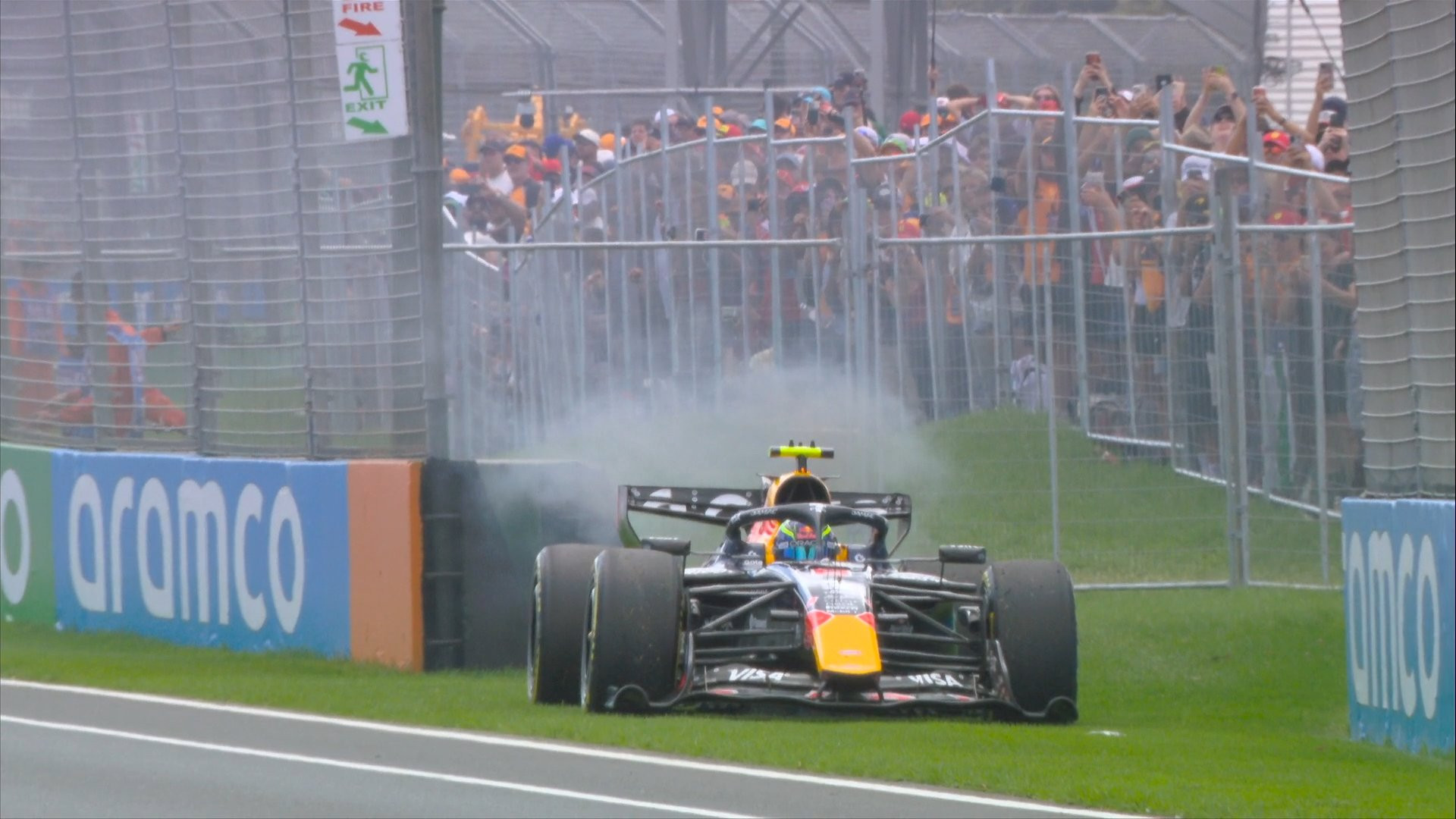
Oscar Piastri's Australian Grand Prix ended before it began, crashing out on the reconnaissance lap due to a sudden 100kW power spike from his car's hybrid system. McLaren Team Principal Andrea Stella detailed the combination of cold tires, a kerb strike, and the aggressive torque delivery mandated by the 2026 power unit regulations as the cause, calling for a review of the rules in the interest of safety following multiple similar incidents over the weekend.
Why it matters:
The crash highlights potential unintended consequences of F1's new 2026 power unit regulations, which prioritize electrical energy deployment. When aggressive, pre-programmed torque delivery interacts with common track conditions like cold tires and kerbs, it can create unpredictable and dangerous situations, turning routine moments into major accidents before the race even starts.
The details:
- Piastri's crash occurred as he touched the curb at Turn 4, triggering a sudden wheelspin from a 100kW (approximately 134 horsepower) power spike following a gear shift.
- Stella identified three compounding factors: cold tires initiating sudden wheelspin, the kerb upsetting the car, and the post-shift torque delivery from the power unit which behaved as engineered but proved treacherous in this specific scenario.
- The team boss emphasized this torque behavior is a "function of how the engines have to work with the rules" to meet deployment requirements, not a random failure.
- This incident was not isolated. Similar loss-of-control moments were seen with Mercedes' Kimi Antonelli in practice and, under braking, with Max Verstappen in qualifying, suggesting a broader theme linked to the new car regulations.
- Stella stopped short of blaming other teams' incidents directly but stated they are "a very material indication that there's work to do."
What's next:
McLaren has joined the call for the FIA and Formula 1 to examine the safety implications of the current power unit torque delivery rules.
- Stella explicitly called for the "F1 community" to review regulations surrounding how and when the powerful hybrid systems deploy their energy, especially in grip-limited phases like on cold tires or over kerbs.
- Beyond the crash, Stella also flagged race starts, speed differentials due to battery deployment, and overtaking as areas needing analysis after the first race of the new regulatory cycle.
- The incident will likely accelerate behind-the-scenes technical discussions between teams and the governing body to potentially refine software controls or regulatory parameters to prevent repeat occurrences.
Original Article :https://speedcafe.com/f1-news-2026-australian-grand-prix-mclaren-explains-oscar-...