






Mansell challenges Domenicali's 2026 rules comparison
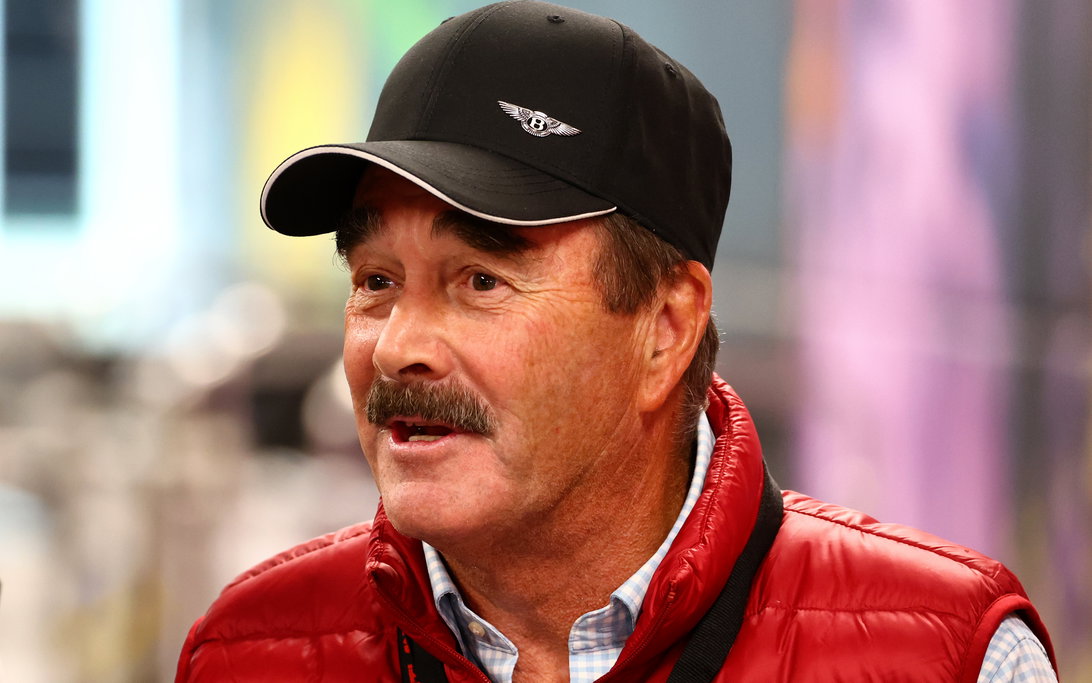
1992 Formula 1 world champion Nigel Mansell has delivered a sharp rebuttal to F1 CEO Stefano Domenicali's suggestion that drivers have always managed races with lift-and-coast techniques, calling the comparison to the upcoming 2026 regulations "a bit of a stretch." Mansell argues that the computer-managed energy harvesting and deployment of modern F1 creates a fundamentally different—and potentially more dangerous—driving experience than the intelligent throttle management of his era.
Why it matters:
This public disagreement between a legendary driver and the sport's CEO highlights a core tension in F1's evolution: balancing technological progress with the essence of driver skill and safety. As the sport finalizes its 2026 rules package, intended to address sustainability and competition, this debate underscores concerns that the new formula could further prioritize computer management over raw driving talent, potentially alienating purist fans and drivers.
The details:
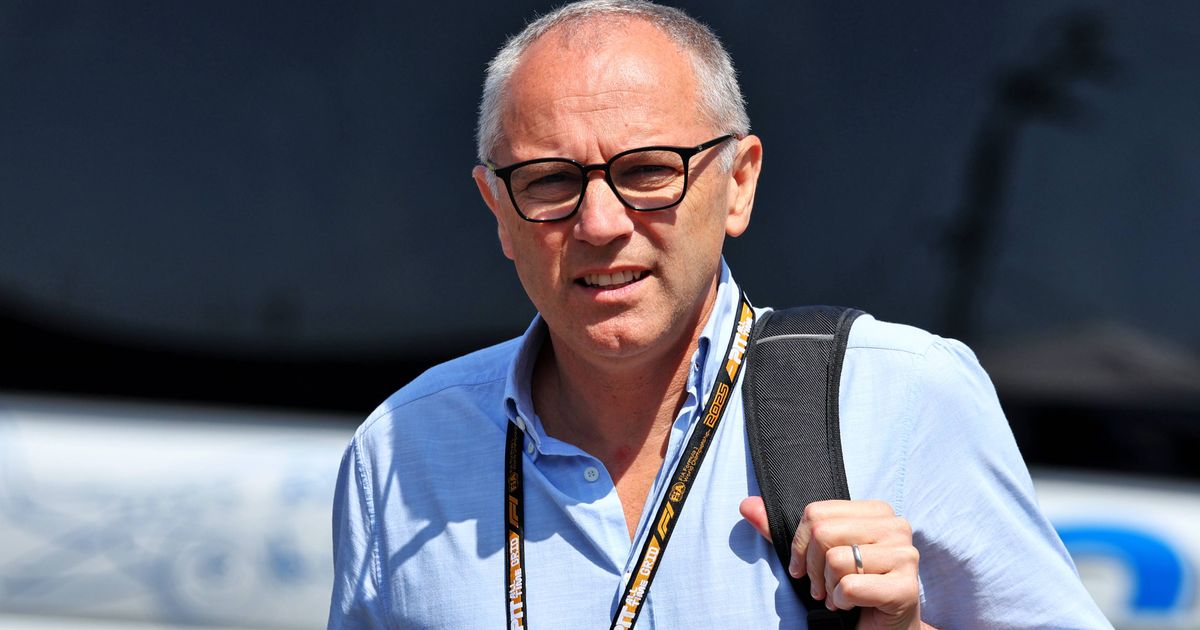
- Domenicali recently stated that drivers were using lift-and-coast techniques as far back as the 1980s, framing the 2026 concept as a natural evolution of race management.
- Mansell strongly contested this view, clarifying that drivers in his day practiced "feathering" the throttle primarily for strategic fuel saving or when slipstreaming, not as a sustained, lap-by-lap necessity mandated by hybrid system management.
- A Dangerous Difference: The Briton emphasized the modern system's impact on cornering speeds, stating, "we didn't slow down 50 to 70 k's going into the fastest corners." He expressed sympathy for current drivers and pointed to a recent incident in Japan as evidence of the potential danger, calling it "luck" that the driver wasn't seriously hurt.
- "False" Overtakes: Mansell also criticized the artificial nature of some modern overtakes, suggesting that computer-deployed power boosts can create misleading battles where the driver's input is secondary. He called some passes "totally false," as a car can blast past only for the positions to reverse immediately based on energy deployment cycles.
- Domenicali, in a separate interview, pushed back against what he called "crazy" conspiracy theories that F1 was hiding onboard footage to mask technical issues. He defended the 2026 regulations as the intended product and stated the sport listens to feedback but must distinguish constructive criticism from exaggeration.
What's next:
The clash of perspectives sets the stage for continued scrutiny of the 2026 regulations as their finalization approaches. While Domenicali and the FIA assert the rules are on track, vocal criticism from respected figures like Mansell adds pressure to ensure the new formula enhances rather than diminishes the sporting spectacle. The sport will continue monitoring feedback from all stakeholders, but the core challenge remains: crafting rules that are sustainable and competitive without making the drivers feel like system managers in dangerously slow cars.
Original Article :https://www.gpblog.com/en/news/f1-champion-rejects-domenicalis-stance-on-key-202...
