Lando Norris's Vulnerability Defines His Unique Path to the F1 Championship
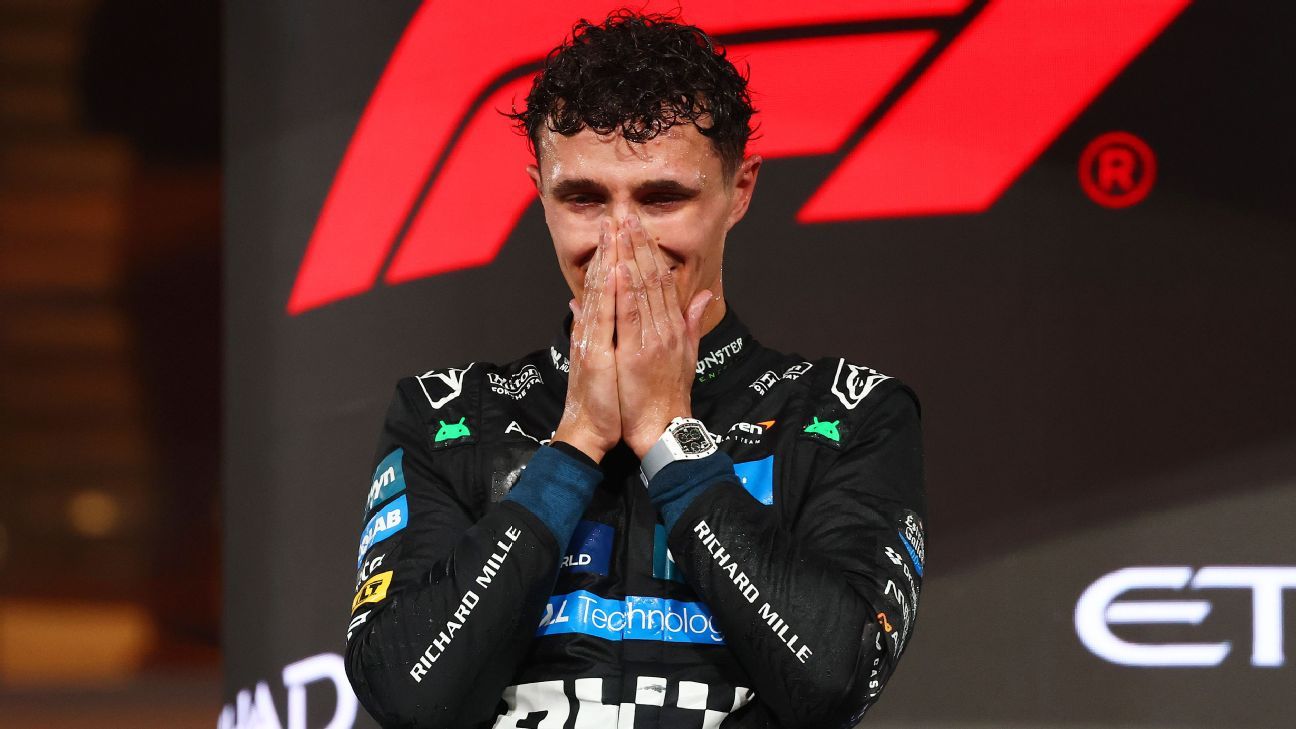
Lando Norris secured his maiden Formula 1 world championship with a calculated drive to third place in Abu Dhabi, but the victory was the culmination of a season-long battle with self-doubt. In doing so, he became a champion who has consistently defied the sport's traditional archetype by embracing vulnerability and openness as strengths, not weaknesses.
Why it matters:
Norris's title win represents a significant cultural shift within Formula 1. In a sport that has historically valorized a stoic, ruthless, and emotionally guarded champion ideal, his success validates a different path—one built on public honesty about mental struggles, self-criticism, and a rejection of toxic comparison. It signals that authenticity and emotional intelligence can be powerful tools for performance at the highest level.
The details:
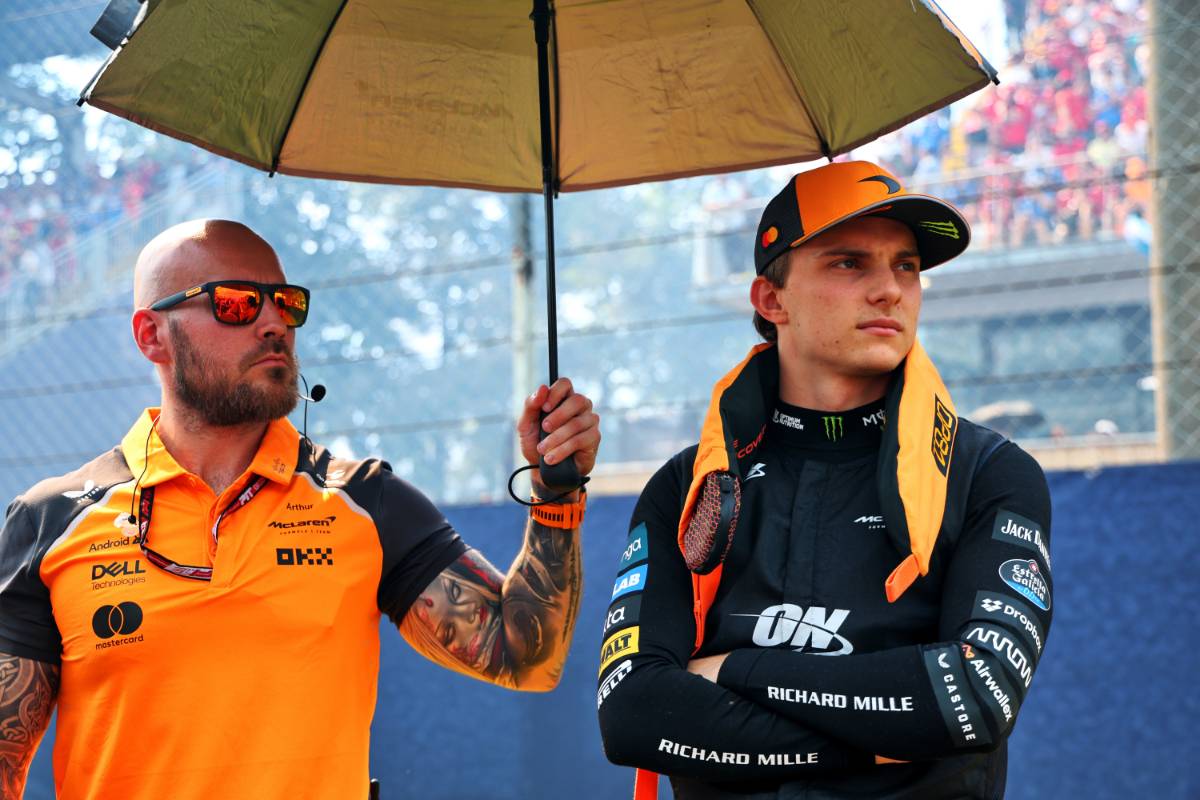
- The narrative around Norris's temperament—often questioning his "ruthlessness"—peaked during his 2024 title fight with Max Verstappen, particularly after an error-strewn race in Brazil.
- Critics, including Red Bull advisor Helmut Marko, pointed to perceived "mental weaknesses," comments which McLaren CEO Zak Brown condemned as setting the sport back decades.
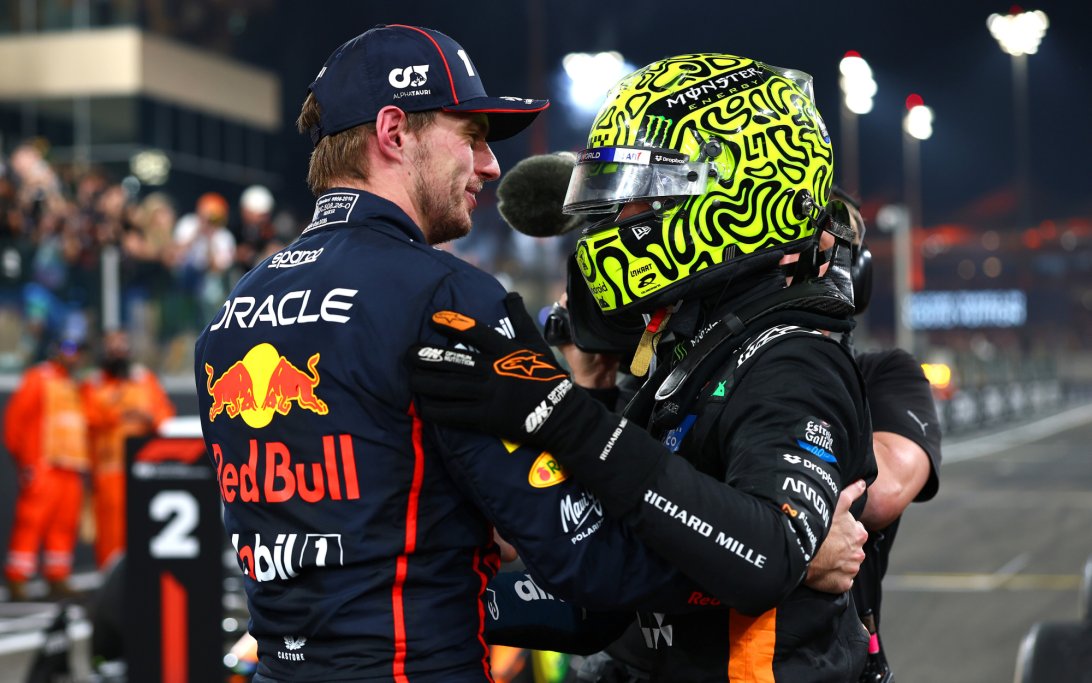
- A Different Kind of Rivalry: The 2025 three-way fight with teammate Oscar Piastri and Verstappen remained notably good-natured, lacking the animosity of past championship battles. Norris repeatedly chose not to engage in verbal sparring, dismissing Red Bull's "aggressive nature" and "nonsense."
- Stark Champion Contrast: Norris's openness creates a clear dichotomy with his predecessor, Verstappen. While both are unapologetically themselves, Verstappen embodies a more private, straightforward, and traditionally ruthless competitor, akin to champions like Senna or Hamilton.
The big picture:
Norris's journey to self-acceptance was forged in public view. His difficult rookie season, where he later admitted to being "depressed a lot of the time," was a turning point. The COVID-19 lockdown and his subsequent immersion in streaming on Twitch became a catalyst. Engaging directly with fans, many of whom shared their own struggles, made him realize the impact of his platform. He became a vocal advocate for mental wellness, working with charities like Mind and speaking candidly about anxiety, self-belief issues, and the pressure of comparison—topics long considered taboo in the F1 paddock.
What's next:
Norris's championship redefines what a modern F1 champion can look like. His post-race comments underscored a profound shift in motivation: he is not driven by a need to be seen as the best or to defeat a specific rival. "I honestly, deep down, don't care about that," he stated, focusing instead on his own process and standards. This philosophy, rooted in vulnerability and self-defined success, may influence a new generation of drivers and reshape how mental fortitude is perceived in elite sport. His title is less about silencing doubters and more about proving that winning can indeed be done your own way.
Original Article :https://www.espn.com/racing/f1/story/_/id/47257730/lando-norris-vulnerability-ma...