


Kimi Antonelli Activated F1's Final DRS Button Before 2026 Overhaul
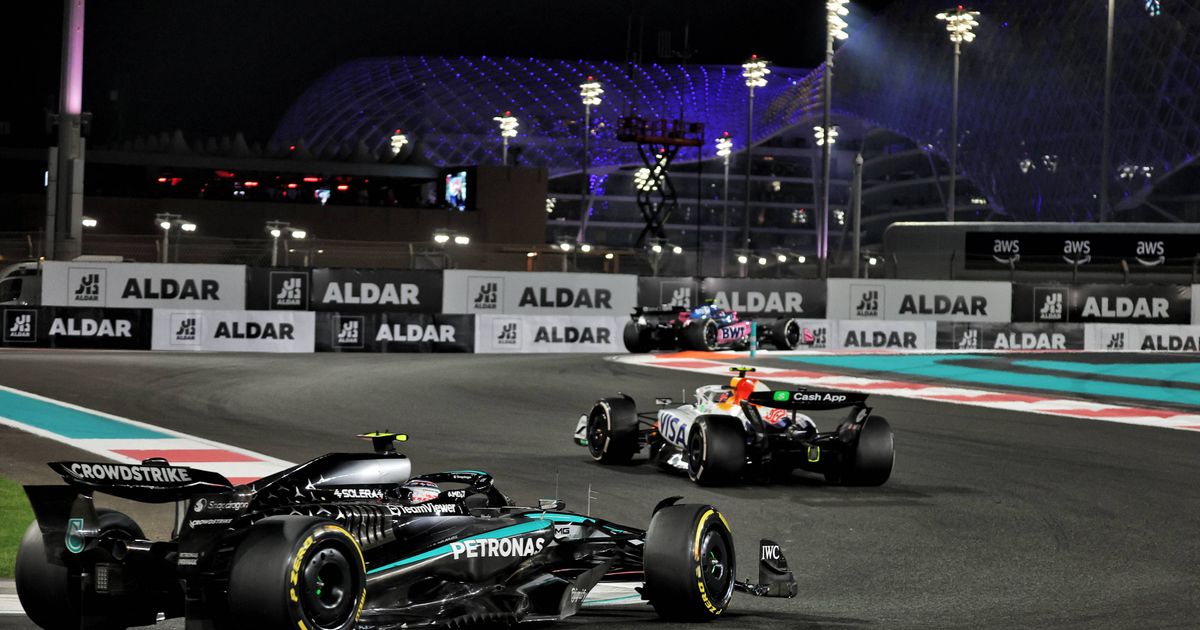
Andrea Kimi Antonelli pressed the DRS activation button for the final time in Formula 1 history during Sunday's Abu Dhabi Grand Prix, attempting an overtake on Yuki Tsunoda for 14th place. The failed maneuver marked the end of a 14-year era for the Drag Reduction System, which transformed F1's overtaking dynamics before next year's major technical regulations overhaul.
Why it matters:
The DRS system fundamentally reshaped modern Formula 1 racing since its 2011 introduction. By enabling drivers to gain 10-12 km/h in designated zones through rear wing adjustment, it nearly tripled overtaking opportunities overnight - a critical intervention when racing had become increasingly processional. Its removal after 2025 represents one of the most significant philosophical shifts in F1's approach to wheel-to-wheel competition since the hybrid power unit era began.
The details:
- Historical bookends: Jenson Button activated DRS first at 2011 Spanish GP; Antonelli (driving for Prema in F2, not Mercedes as misreported) made the final deployment in Abu Dhabi's closing stages
- Statistical impact: Overtakes surged from 547 in 2010's DRS-free season to 1,486 in 2011 - a 172% increase that stabilized racing's entertainment value
- Technical legacy: The system's 1.2-second following distance requirement created strategic dilemmas, with teams optimizing car setups specifically for DRS-assisted battles
- 2026 transition: New regulations will replace DRS with increased electric power output (matching ICE force) and aerodynamic refinements to promote natural overtaking
- Driver adaptation: Modern racers like Antonelli have never competed in a DRS-free F1 season, making the 2026 transition a significant generational challenge
What's next:
The 2026 regulations represent F1's boldest attempt since 2014 to solve overtaking through car design rather than artificial aids. With wings remaining crucial but operating without movable elements, teams face a complex balancing act between downforce and drag reduction. Early simulations suggest the new approach could reduce overtakes by 30-40% initially, potentially creating more strategic racing but risking closer competition.
As F1 bids farewell to its most recognizable overtaking aid, the sport enters uncharted territory. The success of 2026's overhaul will determine whether natural aerodynamics can deliver the same consistent passing opportunities that defined the DRS era - a critical test for the sport's ongoing evolution toward purer racing.
Original Article :https://www.gpblog.com/en/news/last-ever-drs-activation-in-f1-who-pressed-the-bu...
