





Key Takeaways from the 2026 F1 Season Opener in Australia
The first race of Formula 1's radical new 2026 era in Australia revealed a sport transformed by its new energy-focused regulations, with Mercedes establishing a shocking early advantage and teams scrambling to master a complex new strategic game. While the racing delivered drama, it also highlighted significant teething problems that could prompt swift rule changes.
Why it matters:
The Australian GP provided the first real-world test of F1's biggest technical reset in a generation, setting the initial competitive order and exposing the practical challenges of the new power units. How teams and the sport itself adapt in these early races will shape the entire season and the effectiveness of the 2026 rules package intended to ensure closer racing.
The Details:
- Mercedes' Shock Dominance: The works Mercedes team unlocked a staggering performance gap, with George Russell taking pole by eight-tenths over the nearest non-Mercedes car. This surprised even Mercedes' customer teams, indicating a significant knowledge gap in optimizing the new power units' energy management for single-lap pace.
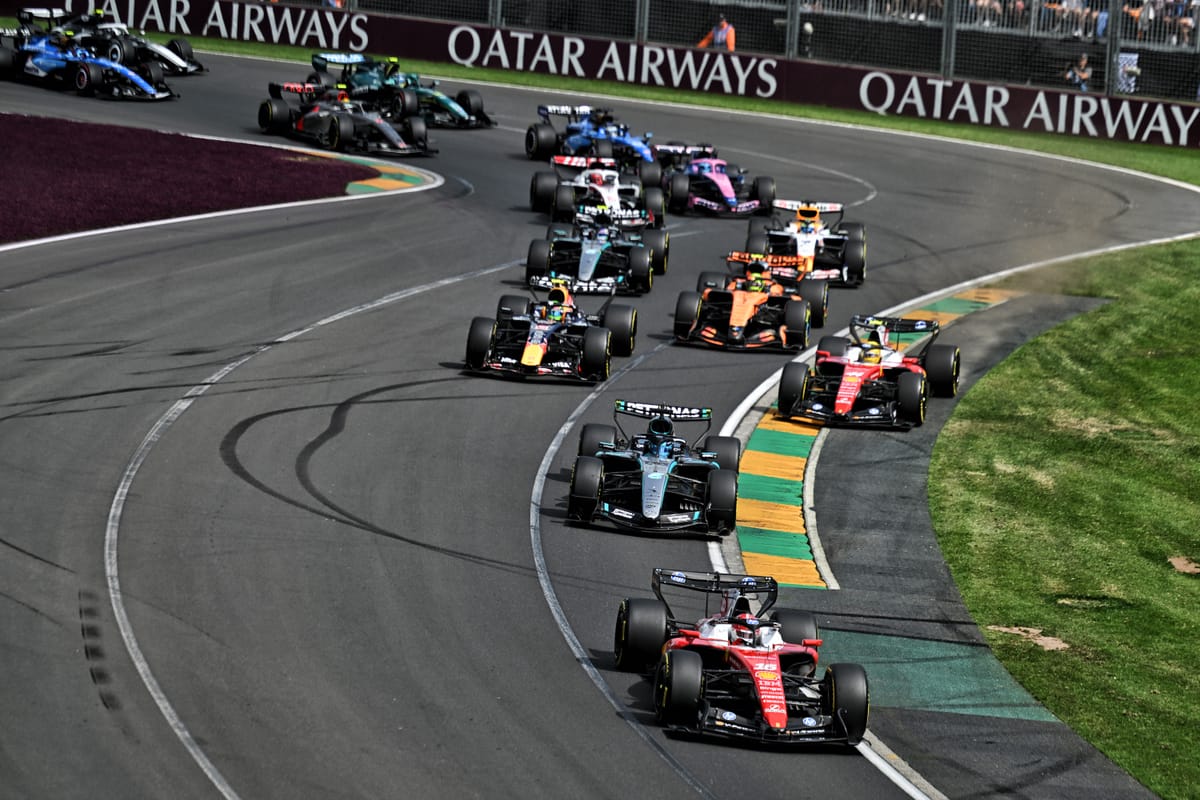
- Energy Management is King: Overtaking has evolved into a high-speed chess match. Drivers must now consider their battery state of charge to make a pass stick, leading to a dramatic "yo-yo effect" in battles, as seen between Russell and Charles Leclerc. Teams expect this strategic layer to become more optimized and less chaotic as the season progresses.
- Rule Changes Already Considered: After a mixed reception from drivers and fans regarding "artificial" racing and energy-starved engines, F1 is prepared to consider urgent rule tweaks as early as after the Chinese Grand Prix. Potential changes include adjusting super-clipping potency and the overall electrical power deployment balance.
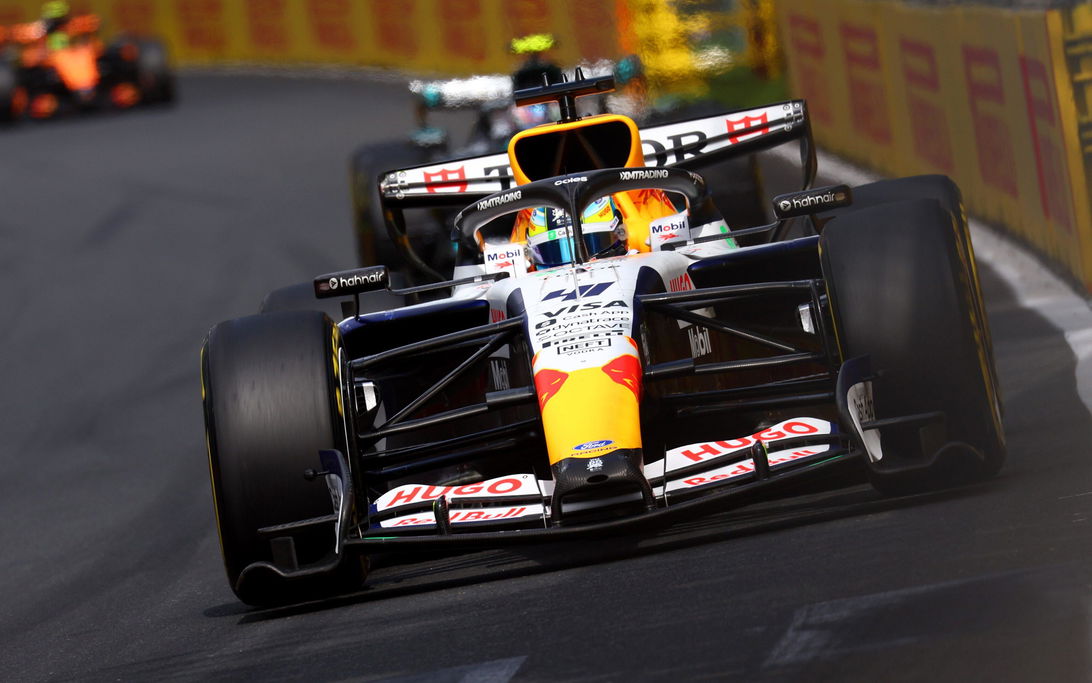
- Standout Debut: Red Bull junior Arvid Lindblad had a remarkably composed debut for Racing Bulls, scoring points and showcasing mature racecraft against established names. His performance silenced doubts about his readiness after a single F2 season.
- Mixed Fortunes for Newcomers:
- Audi: Showed promising pace with a car in the top 10 for most sessions and scored a point on its works team debut, but was hampered by technical issues that prevented a double-points finish.
- Cadillac: The honeymoon period is over after a difficult weekend. While finishing the race was an achievement, the team was marooned at the back and team principal Sergio Perez emphasized the urgent need to improve performance.
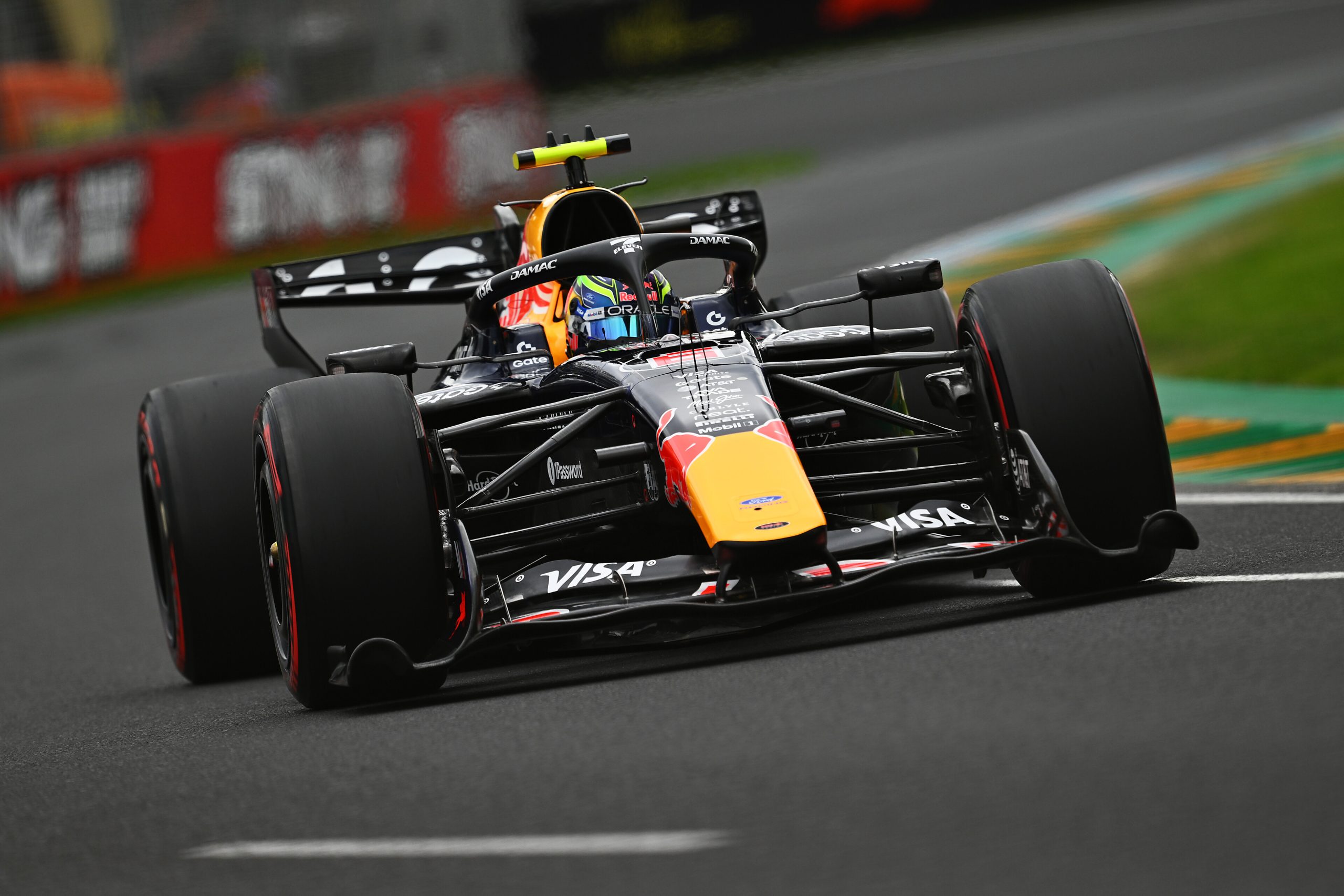
- Reliability Emerges as a Variable: After a strong showing in testing, several teams faced issues. Retirements included Nico Hulkenberg's Audi (pre-race), Isack Hadjar's Red Bull (engine failure), and Valtteri Bottas's Cadillac, signaling reliability will be a key early-season battleground.
- Team-Specific Struggles:
- Aston Martin-Honda: Exceeded low expectations by running reliably for long stretches, with Lance Stroll even reaching the finish (though unclassified). The team played it safe to conserve parts but gained confidence for future races.
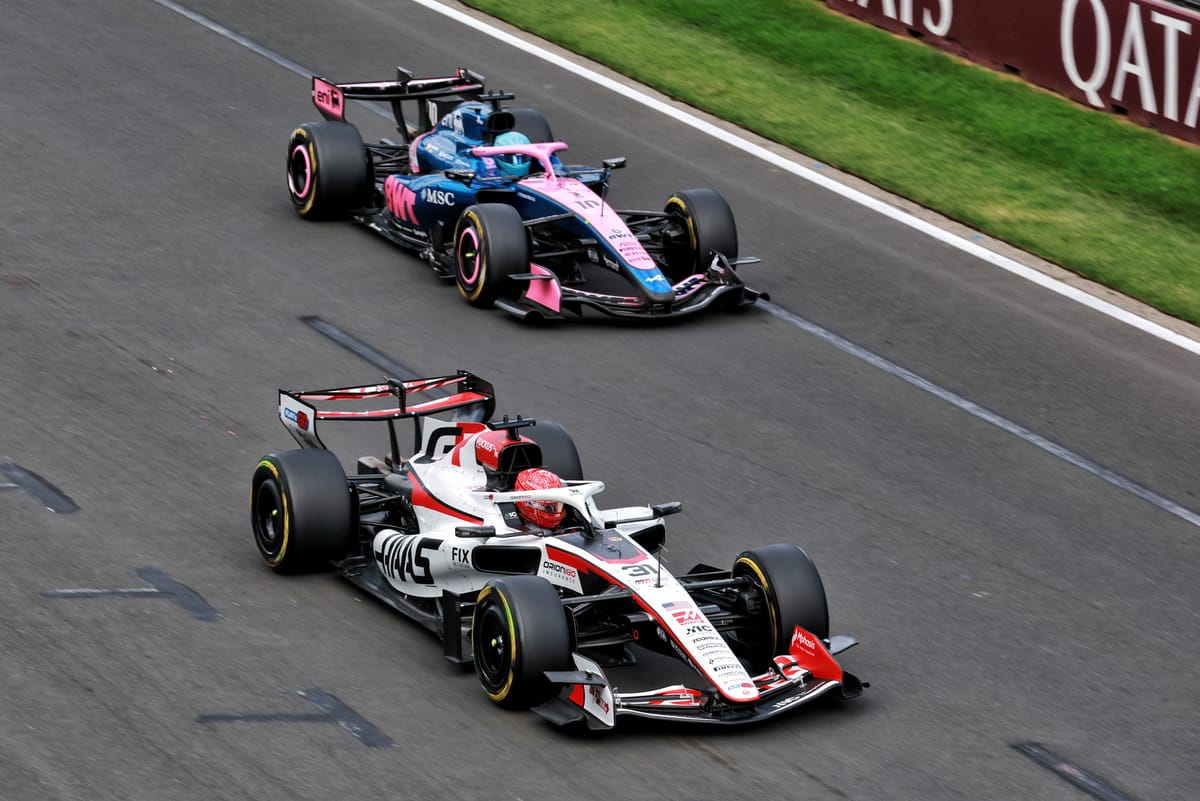
- Alpine: Its switch to Mercedes power hasn't yielded the expected jump, hampered by an aerodynamic "injury" causing high-speed understeer. A fix is targeted for the Japanese GP.
What's Next:
The field heads to the Chinese Grand Prix, a Sprint weekend that will provide another complex challenge with limited practice time. All eyes will be on whether Mercedes can maintain its crushing advantage and how quickly other teams can close the understanding gap on energy management. Furthermore, the sport's reaction to driver and fan feedback could lead to the first regulatory adjustments of the new era, making the next few races critical for defining the long-term character of the 2026 regulations.
Original Article :https://www.the-race.com/formula-1/everything-we-learned-from-f1-2026s-australia...