




Karun Chandhok Delivers Blunt Verdict on 2026 F1 Regulations
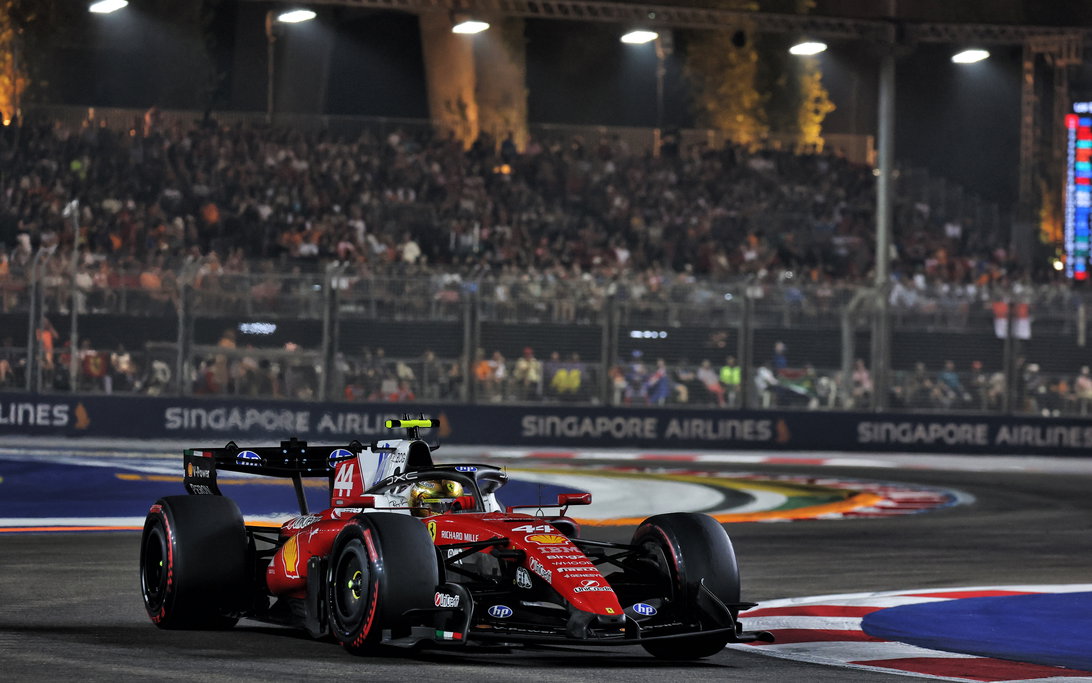
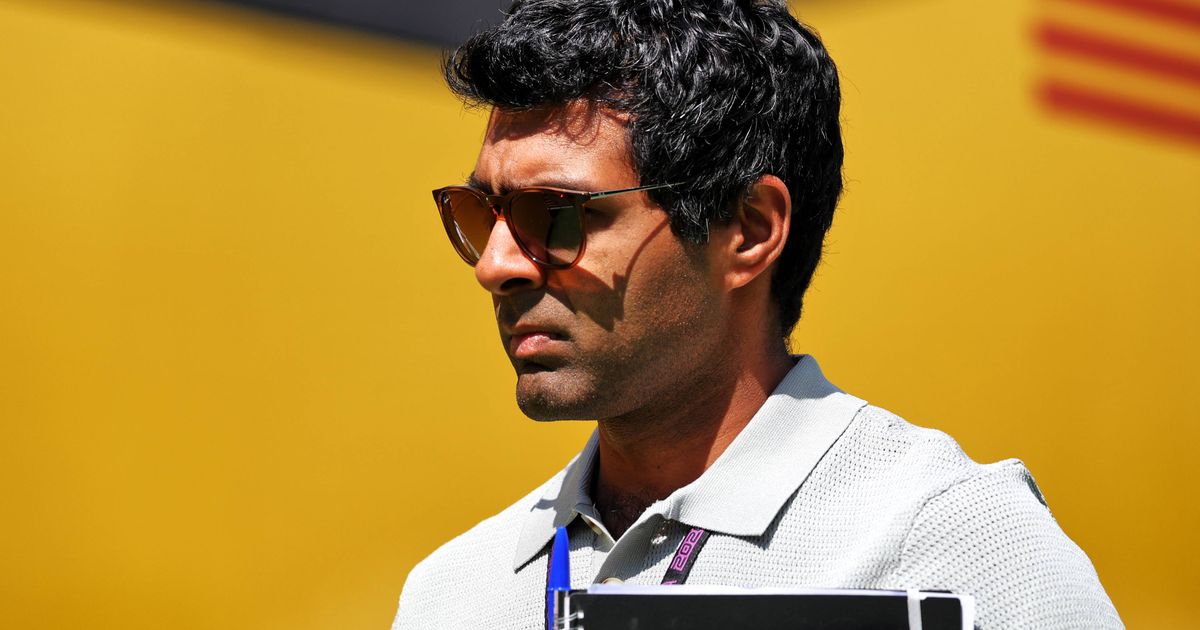
Former F1 driver Karun Chandhok has voiced strong reservations about the sport's upcoming 2026 regulation changes, particularly the hybrid power unit overhaul. He believes the sport would be better off without the significant increase in electrical power and would have preferred a return to lighter cars with V8 engines running on sustainable fuels.
Why it matters:
F1's 2026 regulations represent one of the most significant overhauls in its history, aiming for a 50/50 split between electrical and internal combustion power. Industry voices like Chandhok's highlight fundamental concerns about the direction of the sport, especially regarding car dynamics, driver strategy, and the fan experience, which could impact F1's appeal and competitive balance.
The Details:
- Hybrid Power Split: The 2026 regulations mandate that hybrid systems will account for 50% of the car's power, with the remaining 50% coming from the engine itself. This marks a substantial shift from current power unit architecture.
- Driver Strategy Impact: Chandhok anticipates that drivers will need to adopt a much more strategic approach to energy management during races, potentially leading to a different style of racing.
- Chandhok's Preference: He openly states his preference for F1 to have pursued a different path: a return to V8 engines combined with sustainable fuels, eliminating the hybrid system entirely. He advocates for smaller, lighter, and more agile cars, which he believes would offer a purer sound and be more exciting for fans.
- Rationale for Current Rules: Chandhok acknowledged that the current 2026 rules were committed to years ago, giving manufacturers ample time (three to four years) to develop the new power units.
- Patience Urged: Despite his personal preferences, Chandhok urges a wait-and-see approach, suggesting that the sport should be given the benefit of the doubt to observe how racing unfolds under the new regulations before drawing final conclusions.
The Big Picture:
The 2026 Formula 1 season will introduce sweeping changes across engine, chassis, and aerodynamics. While the FIA and F1 leadership are pushing for a more sustainable and technologically advanced future, these changes have generated mixed reactions. Concerns range from the potential for drastically different race dynamics, with drivers needing to manage energy aggressively, to the overall spectacle and sound of the cars, which are critical elements of F1's appeal.
What's next:
While Chandhok’s blunt assessment reflects a sentiment among some fans and pundits who yearn for a more traditional F1, the regulations are set in stone. The focus now shifts to how teams and power unit manufacturers adapt to the new rules. Team bosses, including James Vowles, Andy Cowell, and Steve Nielsen, have expressed optimism about a quick convergence in performance, hoping to avoid the significant disparities seen at the start of the turbo-hybrid era in 2014. The actual impact on racing and driver strategies will only become clear once the new generation of cars hits the track in 2026.
Original Article :https://www.gpblog.com/en/news/karun-chandhok-delivers-blunt-verdict-on-2026-f1-...
