




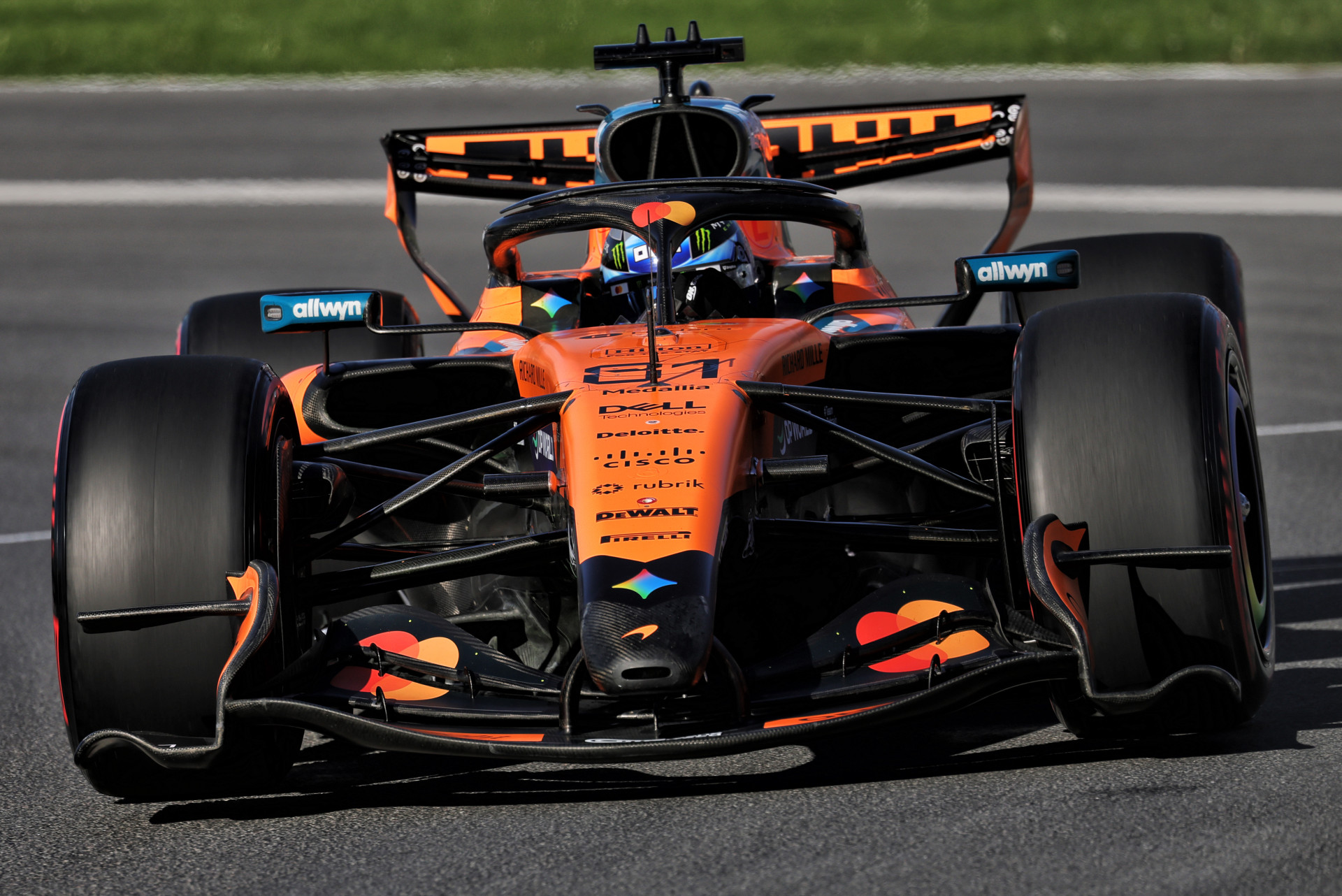


Jolyon Palmer explains the unique energy management challenge of the Canadian Grand Prix
Former Formula 1 driver and F1 TV analyst Jolyon Palmer has highlighted the energy management challenge drivers face at the Canadian Grand Prix, describing Circuit Gilles Villeneuve as a "circuit of two halves" that demands a careful balance of battery harvesting and deployment.
Why it matters:
Energy management is a defining factor under the current regulations. Tracks with long straights and heavy braking zones create unique opportunities for recharging, but misjudging the energy flow can cost critical lap time—especially in qualifying and race battles.
The details:
- Two distinct halves: The first two-thirds of the lap feature short bursts and heavy braking, making it easy to recharge the battery. However, the final sector—from the hairpin to the last chicane—offers limited regeneration before the long straight to the finish.
- Lowest recharge limit so far: The maximum harvest per lap is only six megajoules, the smallest seen this season. Drivers must top up early but ensure enough energy remains for the long straights late in the lap.
- Qualifying tension: Palmer noted that the first half feels normal, but drivers must keep "half an eye" on the later part to avoid running out of electrical power. That balance could decide pole position.
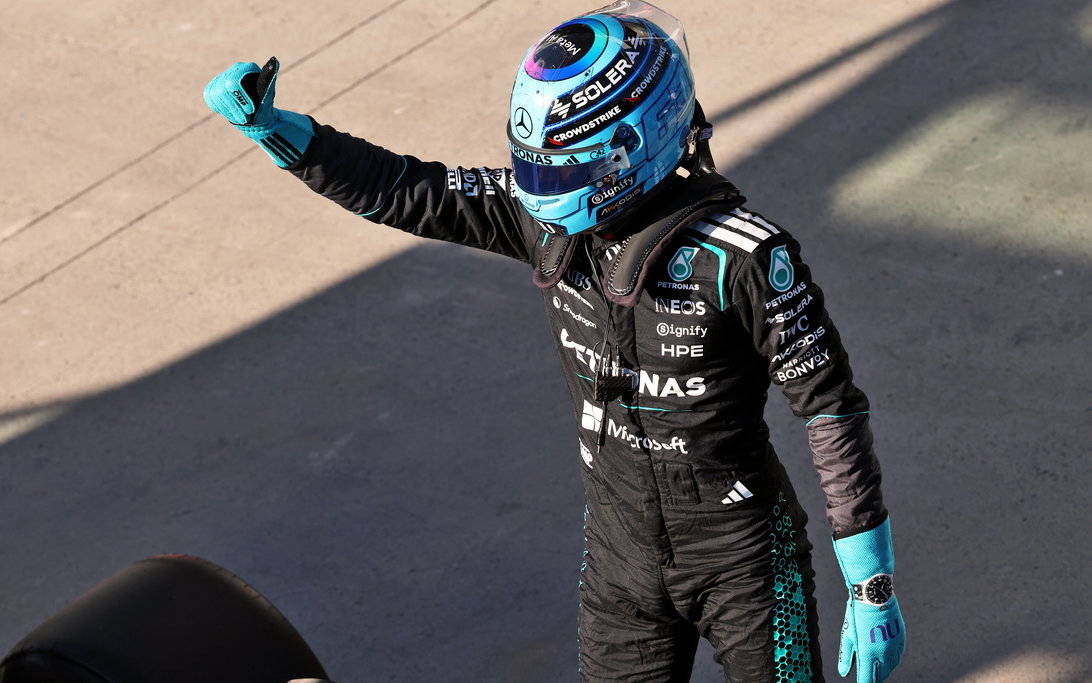
- Recent example: George Russell secured pole for the sprint race at this venue, with Mercedes teammate Kimi Antonelli alongside. The energy strategy likely played a role in their front-row lockout.
What's next:
Race day will test energy deployment even more, as heavy braking zones push brakes to the limit while drivers try to maximize overtaking opportunities on the long straights. The team that best manages the trade-off between harvesting and deployment could take a key advantage in both the sprint and the main race.
Original Article :https://www.motorsport.com/f1/news/jolyon-palmer-explains-canadian-gp-energy-man...