





Inside F1's New Madrid Home: What We Learned From the Madring Preview
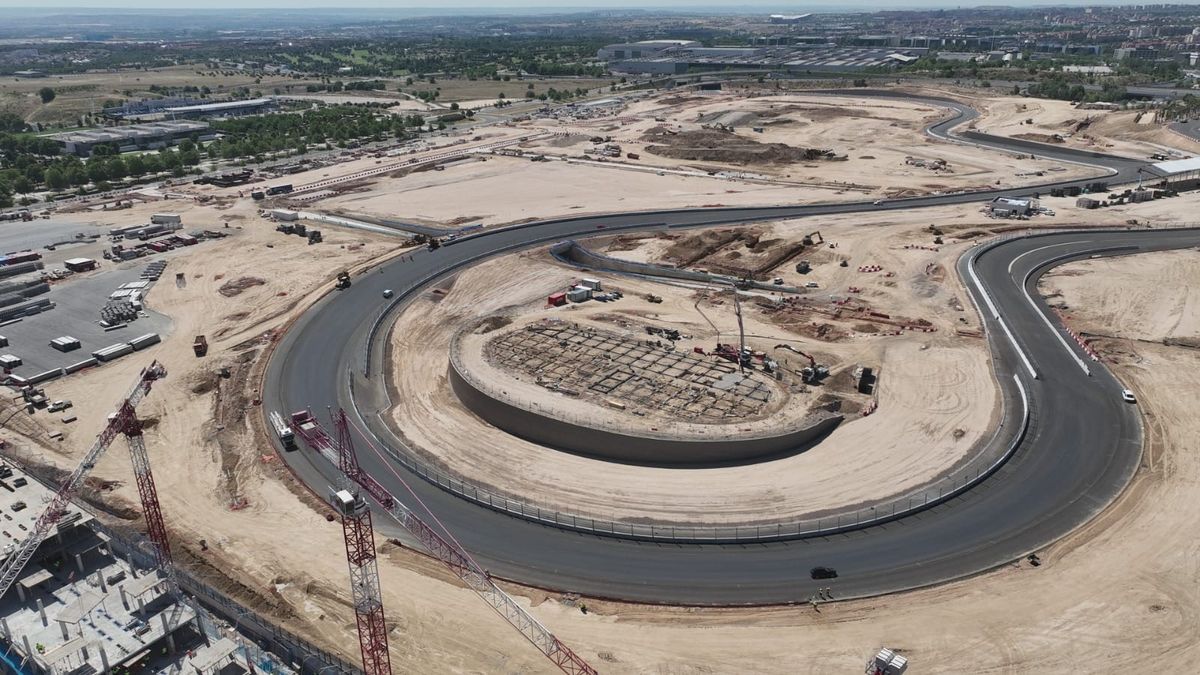
Formula 1's Spanish Grand Prix relocates to Madrid's all-new Madring circuit this September, promising a dramatic departure from the flat, repetitive layouts that have defined recent street-race additions. Early inspections reveal significant elevation changes and the banked La Monumental corner, while organizers remain confident the venue will meet its debut deadline despite a compressed build schedule.
Why it matters:
The move directly addresses growing fan fatigue with cookie-cutter 90-degree street circuits. By integrating natural topography and a driver-focused flow, Madring could redefine the template for urban F1 venues—proving that modern city races can deliver both logistical accessibility and genuine racing spectacle.
The details:
- Hybrid layout: The track fuses a southern street section around the IFEMA exhibition center with a newly constructed northern zone featuring flowing, high-speed corners and meaningful elevation changes.
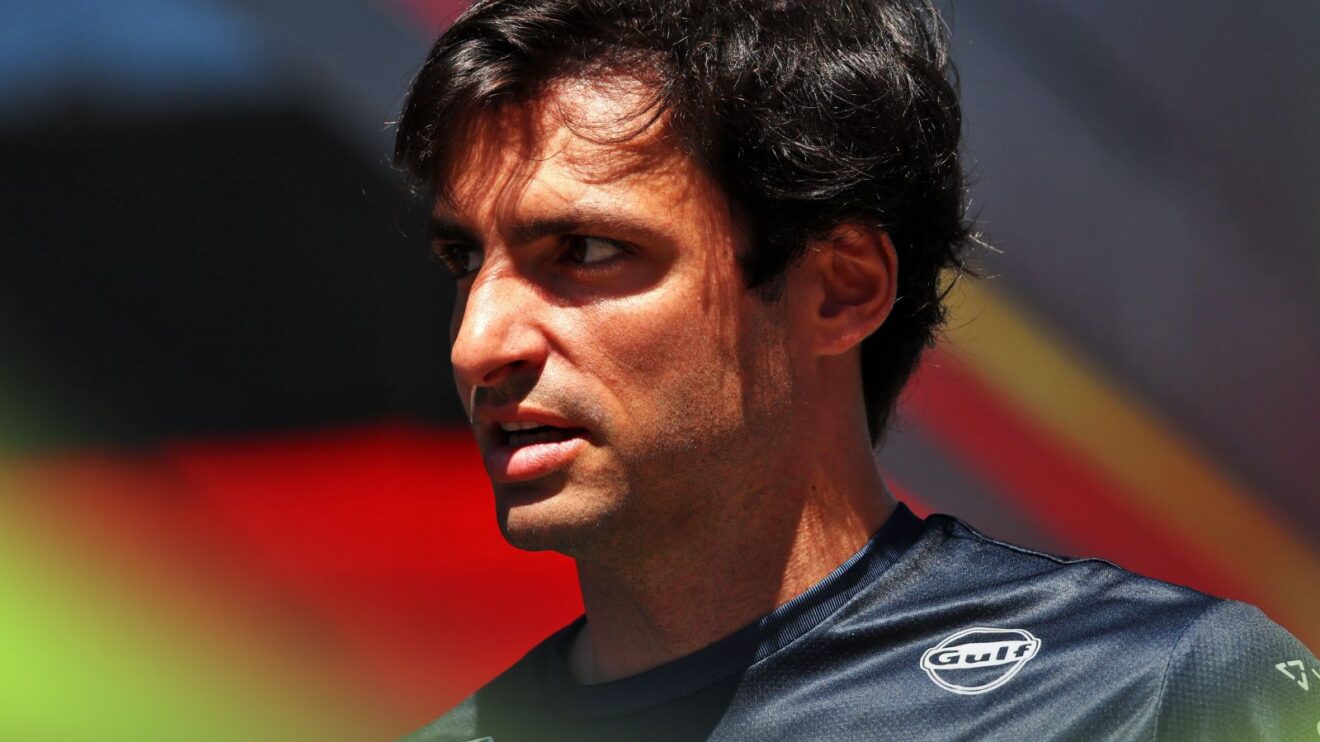
- La Monumental: Turn 12 rises 10 meters with a 24% gradient and will subject drivers to over 4G. Carlos Sainz anticipates the corner will be flat out at roughly 180-200 km/h, generating a powerful slipstream into the following left-hander.
- 2026 compatibility: A tight chicane preceding the banked corner should ensure cars harvest adequate electrical energy, avoiding the "super clipping" that can sap performance from high-speed sequences under the 2026 regulations.
- Zero manholes: Every utility cover and service line—including telecom, power, water, and gas—was diverted beneath the surface to prevent a repeat of Las Vegas' 2023 opening-night chaos, a process requiring nearly 12 months of permits.
- Paddock perks: Garages feature high ceilings and indoor, air-conditioned engineering bays with capacity for a 12th team. Despite the short walk to the pit building, teams successfully lobbied to bring their motorhomes.
- Future-proofing: Officials floated an unprecedented indoor section through the IFEMA halls, akin to London's Formula E layout, and confirmed plans to eventually repave permanent segments with red-pigmented asphalt reflecting Spanish identity.
What's next:
Final ground surfacing is expected to wrap within weeks, allowing temporary structures including grandstands to rise rapidly ahead of the September race. If execution matches its ambition, Madring could immediately challenge the notion that modern street circuits must sacrifice character for commerce.
Original Article :https://www.the-race.com/formula-1/what-we-learned-exploring-f1-newest-track/
