





How Racing Bulls Gamed the System in Daring Monaco GP Stunt
The new Monaco Grand Prix two-stop rule significantly impacted the midfield, and Racing Bulls masterfully exploited its nuances for their best result of the F1 2025 season.
Teamwork Fuels Success
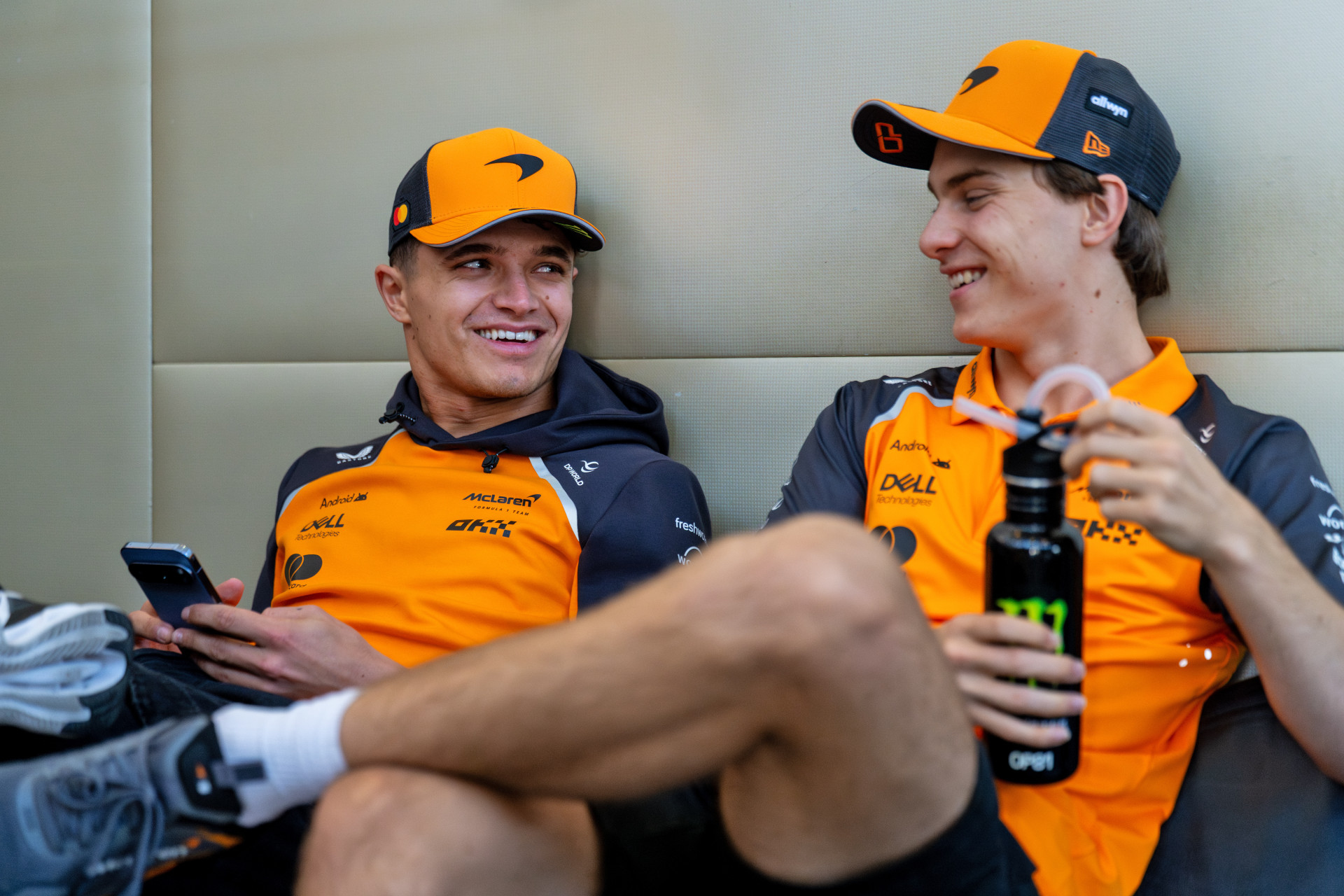
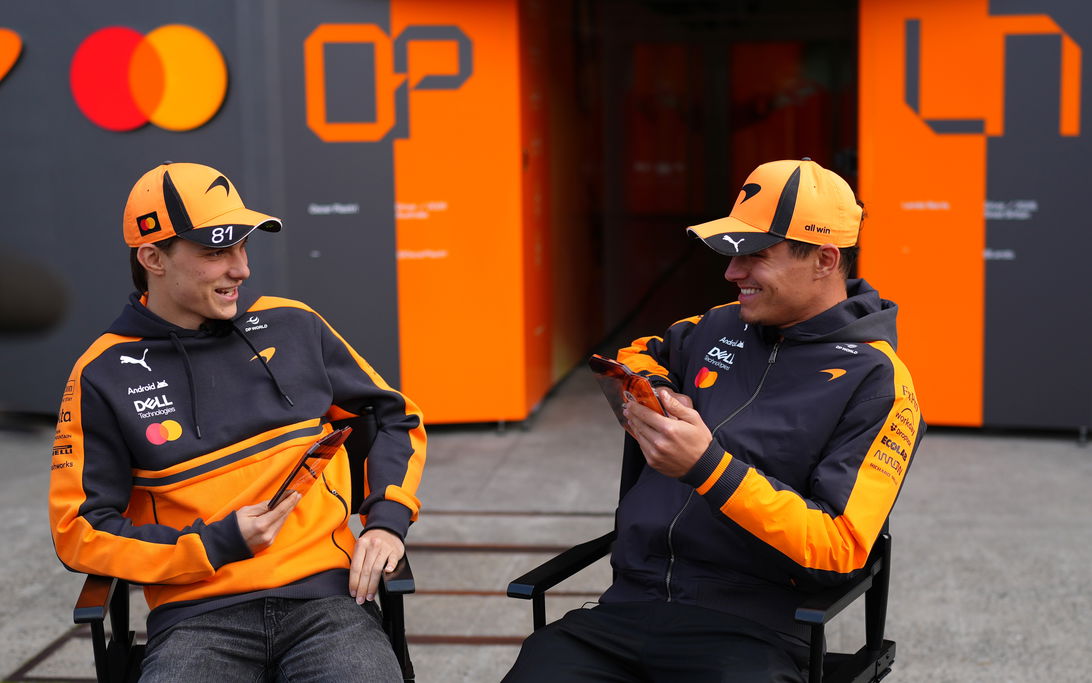
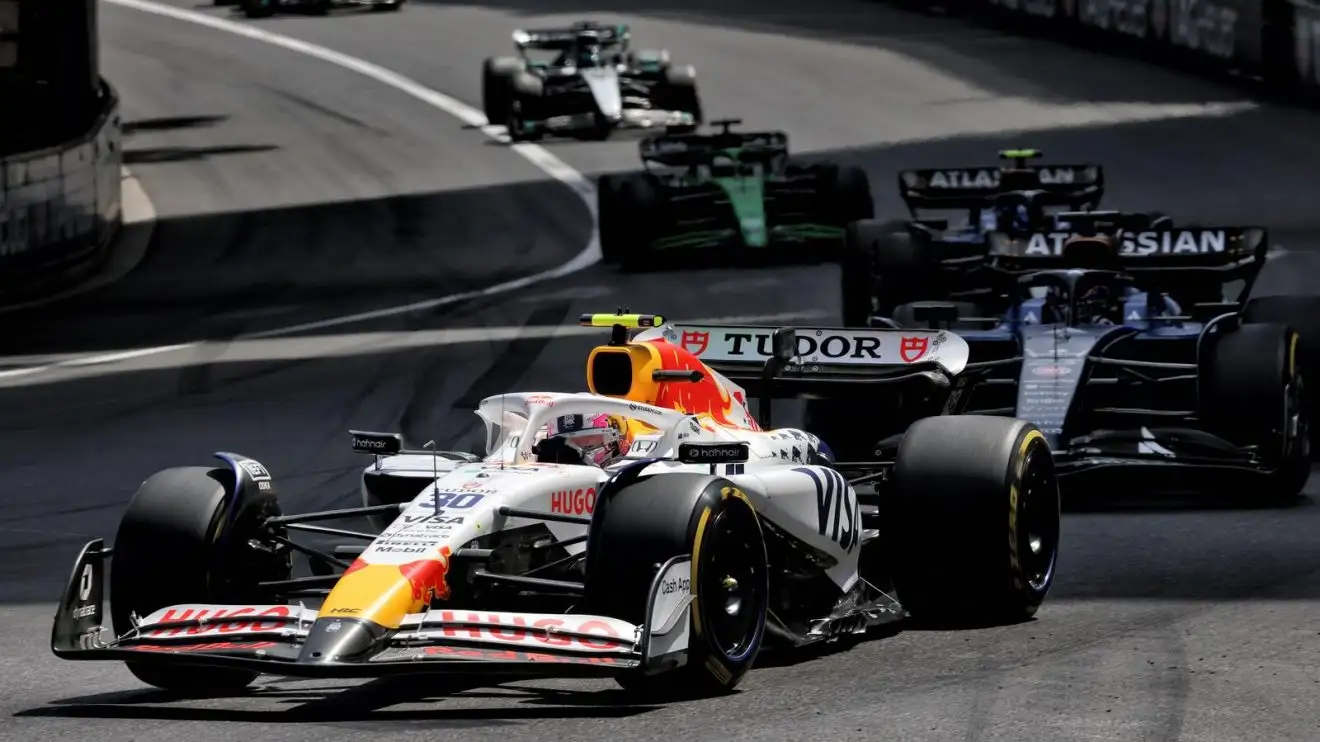
The Monaco Grand Prix proved highly rewarding for Racing Bulls, propelling them into a tight battle with Haas for sixth in the Constructors' standings. Both drivers achieved their strongest performances of the season: rookie Isack Hadjar secured a commendable P6 after a solid qualifying, while Liam Lawson scored his first points and reached Q3 for the first time.
Racing Bulls demonstrated genuine competitiveness in qualifying, crucial for the tight confines of Monaco. A grid penalty for Lewis Hamilton, stemming from his incident with Max Verstappen, promoted Hadjar to P5 on the starting grid.
From the outset, teamwork was central. Having both drivers running close together enabled effective control of race pace and strategic execution, a tactic well-suited to Monaco where overtaking requires a significant pace advantage of around four seconds per lap.
Why it matters: Lawson served as an ideal buffer for Hadjar.
Following the virtual safety car period, the gap between Lawson and Hadjar began to widen, as did the gap between Hadjar and the cars trailing Lawson. By lap 13, the margin exceeded 20 seconds. Given that a green-flag pit stop in Monaco typically costs 19-20 seconds, Racing Bulls opted to pit Hadjar immediately.
Equipped with fresh soft tires and clear air, Hadjar was able to push, setting the stage for a repeat of this strategy later to complete the mandatory two stops.
The details:
During his second stint, Hadjar consistently lapped 4-5 seconds faster than Lawson and the pursuing pack. Crucially, Lawson intentionally maintained a slower pace to facilitate this.
While seemingly counterintuitive, Lawson's controlled pace was vital for his teammate to build a gap without risking being overtaken himself, all while avoiding any errors that could jeopardize the strategy.
Hadjar's stint on soft tires lasted only five laps – sufficient to establish the necessary gap. Following his second pit stop, Lawson significantly increased his pace.
Despite losing a position to Hamilton in the faster Ferrari, the strategy was a success, leaving Hadjar well-positioned with both stops completed. He would have likely maintained his position over Fernando Alonso had Alonso not retired, which ultimately benefited Lawson.
Notably, Williams observed and replicated this strategy with their drivers, as they were initially caught behind Lawson and couldn't implement it earlier. The core tactic involved the trailing car slowing the pace to allow their teammate, Alex Albon, to make a "free" pit stop.
Lawson leveraged a similar advantage, pitting without losing track position and running a strong pace on soft tires in his second stint. After nine laps, he completed his second stop.
What's next:
Back in clear air, Lawson maintained a strong pace, closing the gap to Hadjar. Racing Bulls ultimately executed the new rules perfectly, achieving their best result of the season through outstanding communication and a well-executed strategy that positioned both drivers advantageously.
Their success was underpinned by a strong qualifying performance and competitive car pace, making Racing Bulls the fourth-fastest team on Sunday, behind McLaren, Ferrari, and Red Bull.
Original Article :https://www.planetf1.com/news/monaco-gp-racing-bulls-strategy-pit-stop-rules