



How McLaren's 'stole' an Adrian Newey trick to build its dominant 2025 F1 car
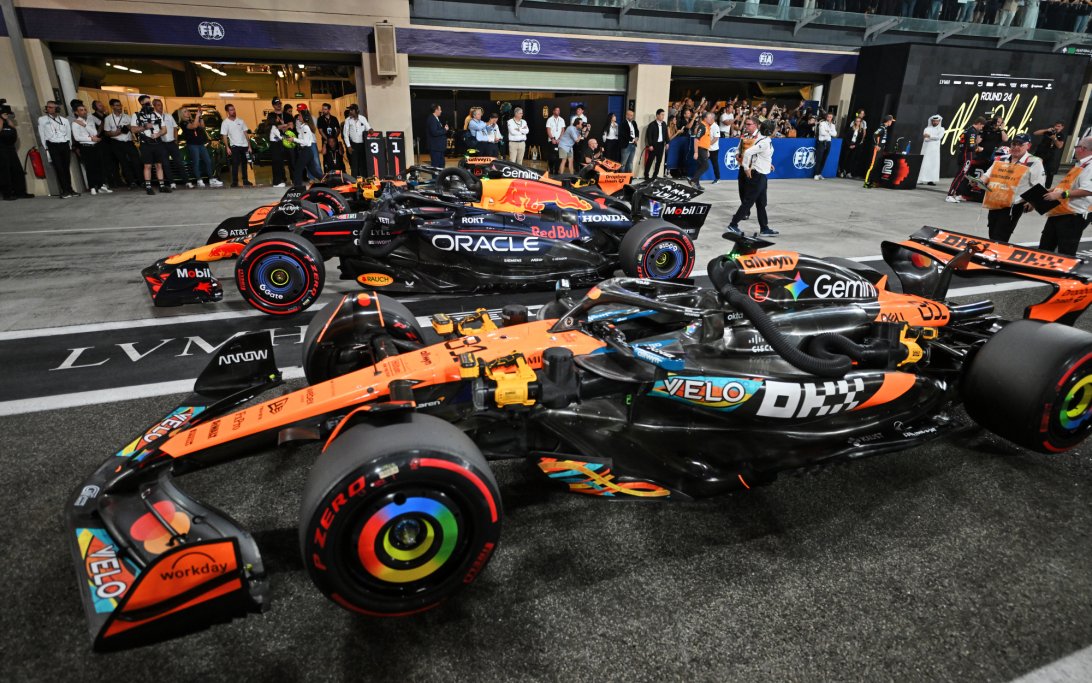
McLaren’s 2025 championship-winning MCL39 was an extreme evolution of ground-effect car design, deliberately engineered with non-replicable solutions to create a decisive performance gap over its rivals. The team’s bold approach, inspired by the philosophy of former Red Bull design chief Adrian Newey, delivered a dominant car but also introduced unique challenges for its drivers and revealed a critical vulnerability in Las Vegas.
Why it matters:
The MCL39's design philosophy represents a high-risk, high-reward strategy that has become essential in a tightly converged field. By pushing concepts to an extreme that rivals could not easily copy mid-season, McLaren secured a second consecutive constructors' title. However, the car’s specific traits also highlight the delicate balance between pure performance and driver adaptability, a tension that ultimately kept the drivers' championship fight alive until the final round.
The details:
- Extreme Concepts: Team principal Andrea Stella revealed post-season that the design team, led by Rob Marshall, pushed the MCL39 concept to its limits, causing him significant concern during the winter. Key radical elements included:
- A non-standard steering box positioned in front of the chassis but behind the front lower wishbone, in a tightly packaged area that left no room for error or mid-season modification.
- A front suspension with a very steep upper wishbone anchored far rearward, optimized for aerodynamic platform management and vehicle dynamics.
- The 'Newey Trick': This approach of integrating extreme, hard-to-copy solutions into a title-winning car is a hallmark of Adrian Newey’s design philosophy. Rob Marshall, Newey’s long-time deputy at Red Bull, successfully internalized and applied this strategy at McLaren.
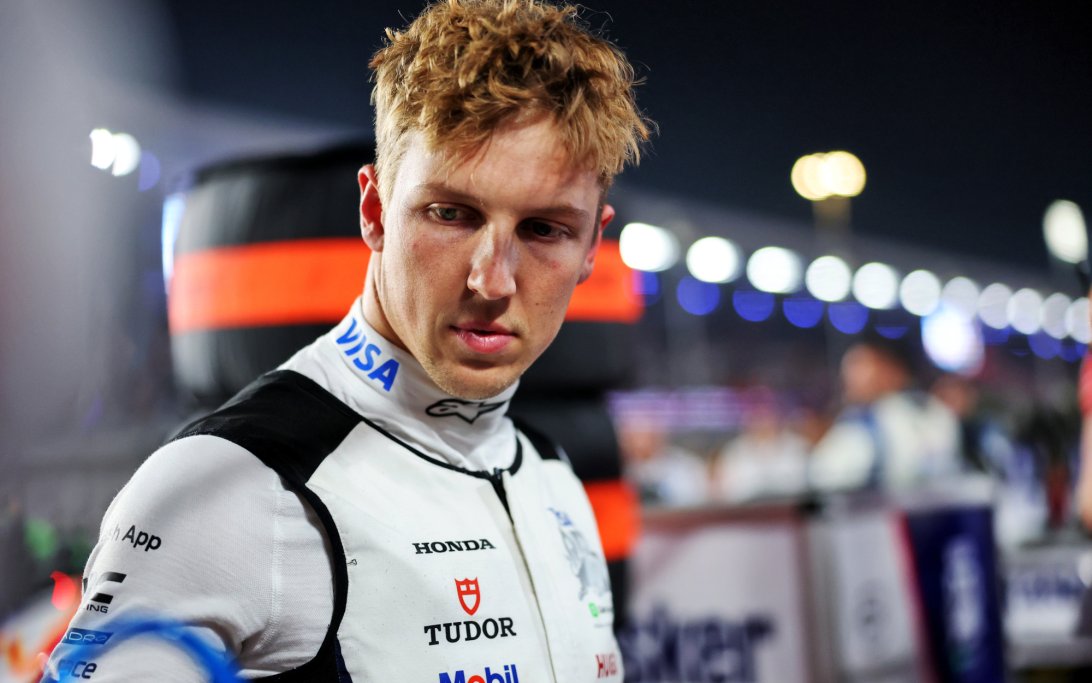
- Driver Adaptation Issues: The car’s dynamic precision came with a trade-off. Both Lando Norris and Oscar Piastri initially found the front end feeling "numb," lacking clear feedback on corner entry.
- An in-season front suspension update was introduced in Austria, but only Norris felt it was an improvement. Piastri ran the original specification all season, which may have cost him performance relative to his teammate on certain tracks.
- A Critical Flaw Exposed: The car’s ultimate betrayal came in Las Vegas. Confident in the MCL39’s platform control and a smooth track surface, the team ran an extremely low ride height. Unforeseen track undulations induced porpoising, leading to excessive plank wear and the disqualification of both cars.
The big picture:
The MCL39 was the definitive car of the 2025 season, yet its story is one of controlled aggression. McLaren’s willingness to take monumental risks on a reigning championship-winning car paid off in raw performance and a decisive constructors' advantage. However, the car was not a perfect instrument for both drivers, and its single critical weakness was brutally exposed. This created just enough of an opening for Max Verstappen and Red Bull to challenge for the drivers' title until the very end, proving that even the most dominant machine exists within a web of engineering compromises and human factors.
Original Article :https://racingnews365.com/the-red-bull-adrian-newey-trick-mclaren-stole-with-dom...