







How McLaren Avoids Mercedes Engine F1 Trend
Technical analyst Paolo Fillisetti examines Mercedes' F1 engine failures and McLaren's potential protection.
Canadian Grand Prix stresses power units with high full throttle usage. Reliability has improved in the turbo hybrid era, but recent Mercedes HPP units suffered multiple failures:
- Kimi Antonelli: throttle problem (Imola)
- George Russell: electrical issue (Monaco)
- Fernando Alonso: engine failure (Monaco)
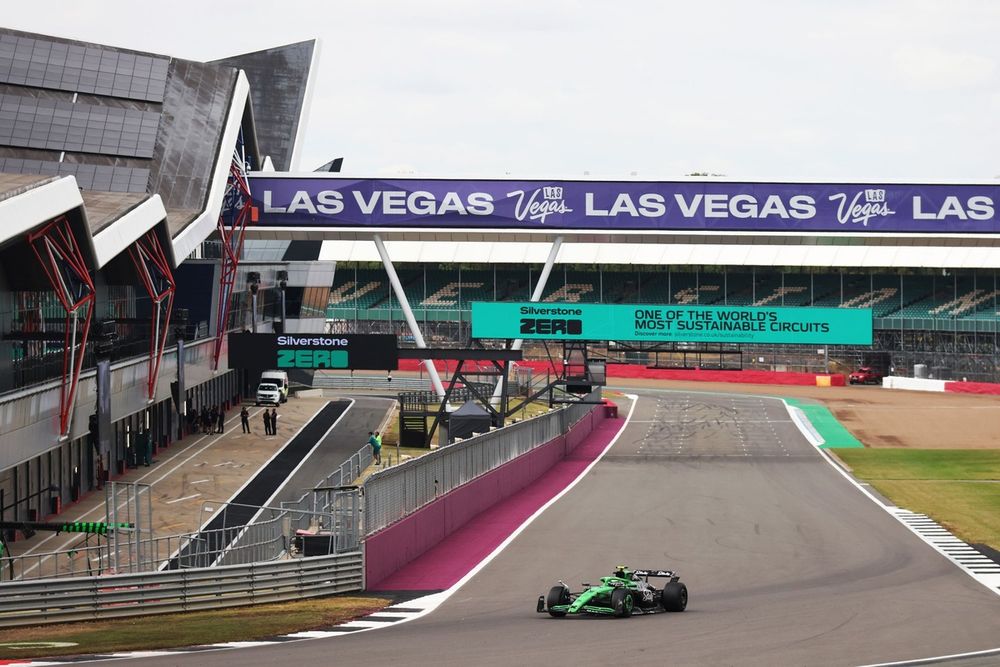
- Antonelli: engine failure (Spain)
Russell's issue was electrical, prompting Mercedes to investigate and implement countermeasures. Antonelli's unit was analyzed at HPP headquarters.
Why it matters: The failures have raised alarms at Mercedes and its customer teams (McLaren, Williams, Aston Martin). What's causing this, and why hasn't McLaren been affected?
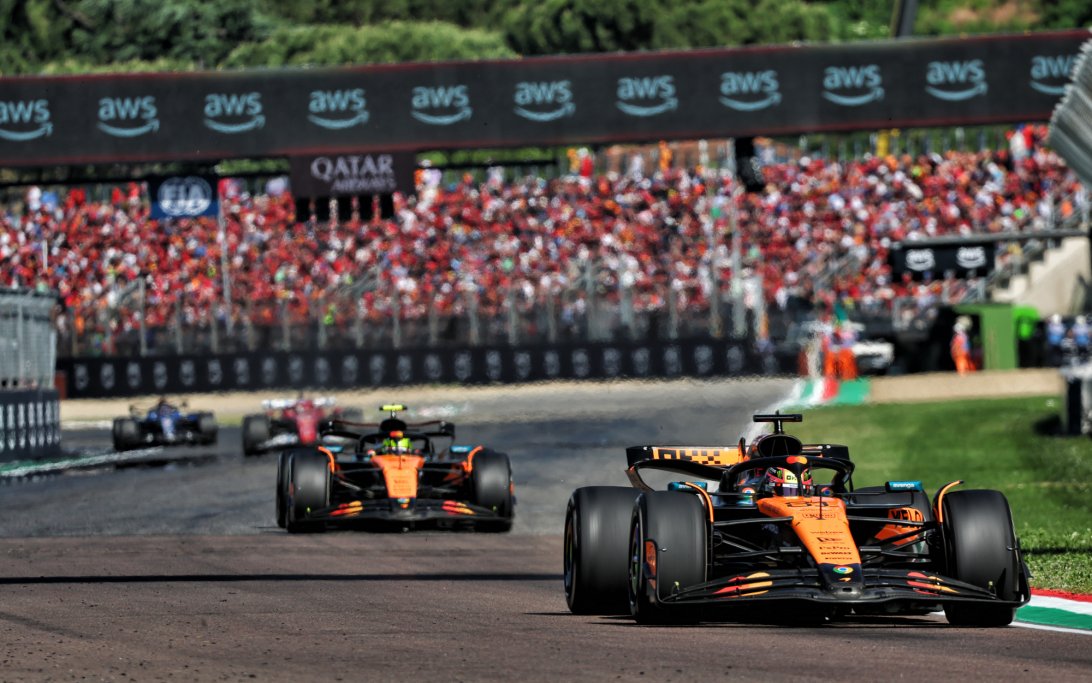
How McLaren is protected: A hypothesis suggests power unit installation, cooling, and heat exchange play a role. McLaren's MCL39 has a reduced rear section and smaller heat dissipation vents.
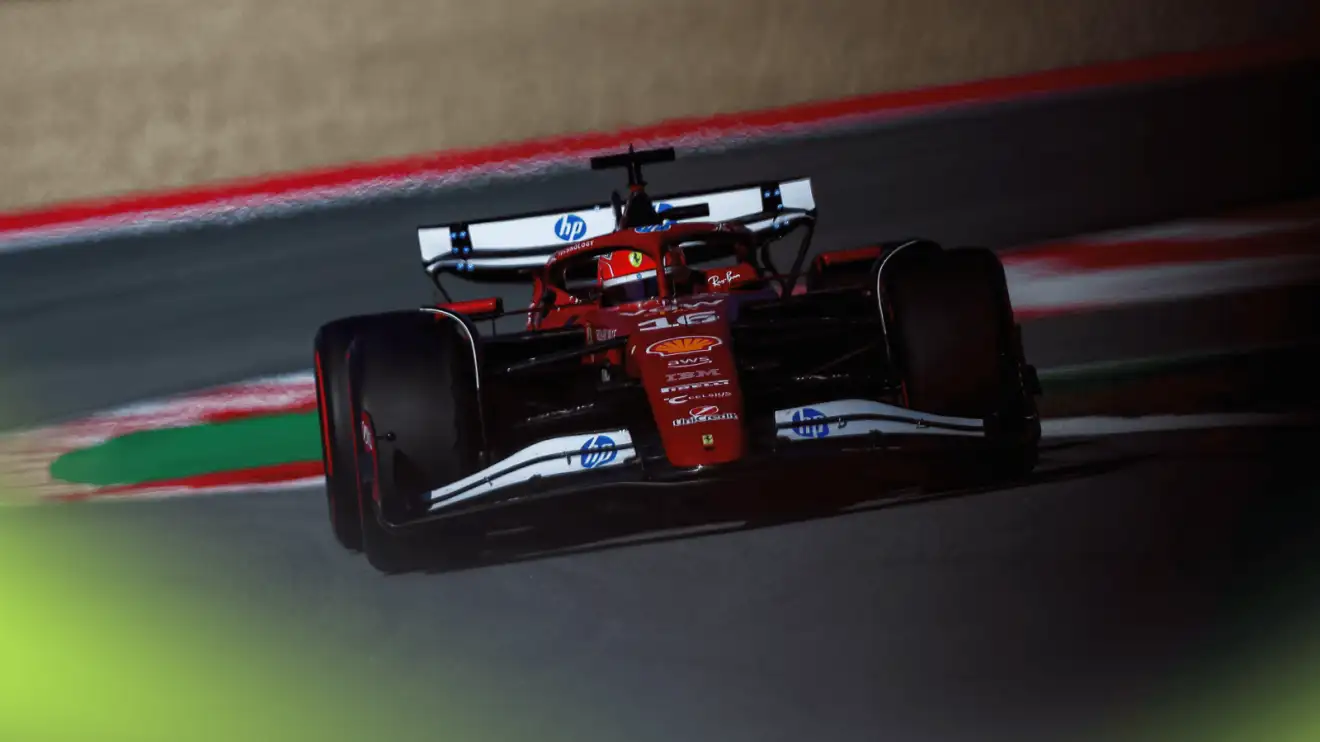
The big picture: Power unit modes may be extreme due to frozen development. Manufacturers are trying to maximize performance, reducing reliability margins. Ferrari has adopted less extreme choices.
McLaren is cautiously optimistic, not using aggressive power unit modes, leveraging low-drag and high traction. Power unit rotation will be important to avoid penalties with 14 races left.
If McLaren maintains its performance advantage, rivals may halt upgrades, further protecting McLaren's position and reducing power unit concerns.
Original Article :https://racingnews365.com/how-mclaren-is-protected-from-worrying-mercedes-f1-tre...