

How F1 Overtaking Will Change Under 2026 Regulations
Williams team principal James Vowles predicts a significant shift in overtaking dynamics for the 2026 Formula 1 season, moving away from driver aids like DRS towards a greater emphasis on technical skill.
Why it matters:
The 2026 regulations represent a monumental overhaul of F1, impacting both chassis and power units. The goal is to enhance wheel-to-wheel racing and improve overtaking, which has been a point of contention. Vowles' insights suggest that while initial driver skepticism existed, the new 'push-to-pass' system and increased electrical energy focus will create a more challenging and rewarding environment for skilled drivers.
The details:
- Regulation Overhaul: F1 is introducing its most significant regulation changes to date, affecting both chassis and power unit design.
- Power Unit Shift: The new power units will feature an almost 50-50 split between electrical energy and the internal combustion engine.
- Lighter, Smaller Cars: Cars will be lighter and smaller, aiming to improve close-quarters racing and overtaking opportunities.
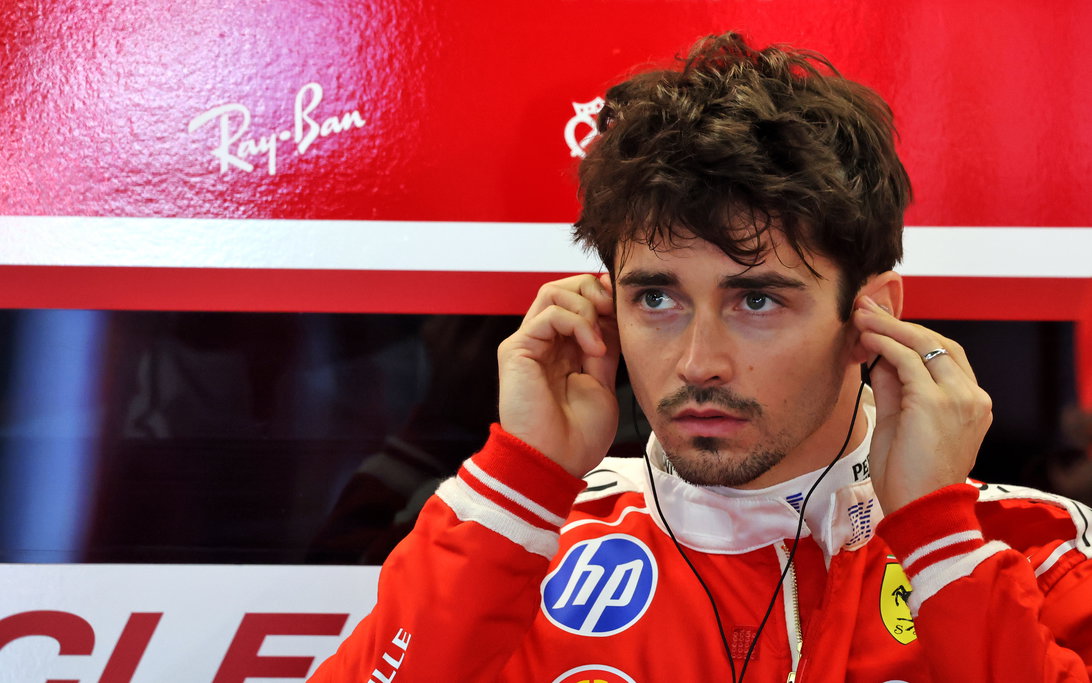
- Driver Adaptation: Initial simulator tests led to skepticism from drivers like Charles Leclerc, who found the cars "less enjoyable." However, Vowles notes that drivers are now embracing the challenge and discovering new ways to optimize performance.
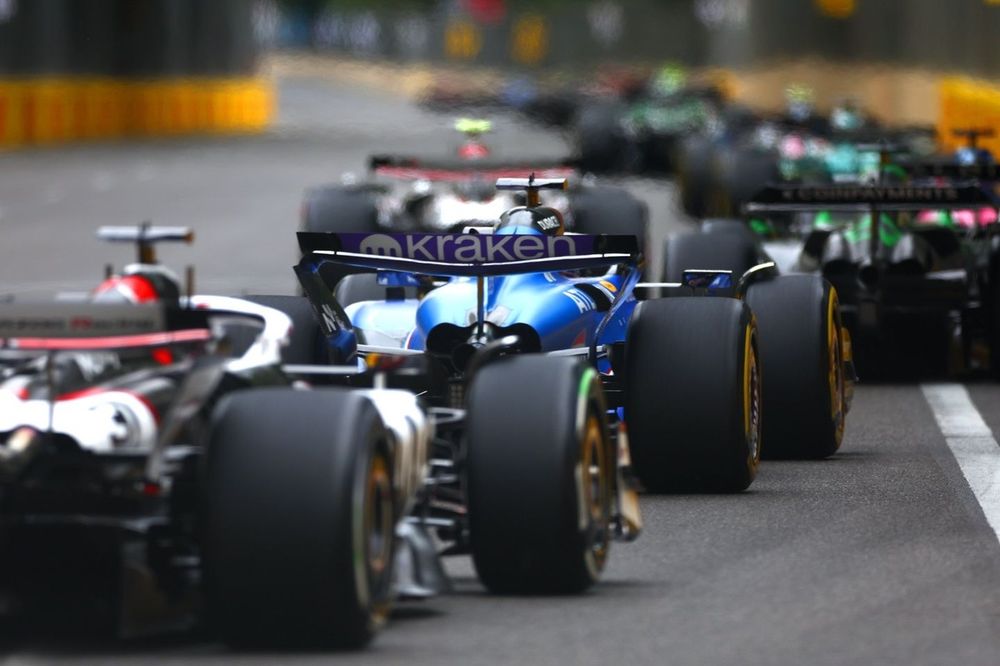
- Overtaking Mechanism: The DRS system will be replaced by a manual override, effectively a 'push-to-pass' button that provides following cars with additional energy above 280km/h.
- Skill Over Aid: Vowles believes this change will favor drivers who are more in tune with their cars and can manage energy deployment strategically, rather than simply relying on DRS for overtakes.
- Changing Overtaking Zones: Traditional overtaking spots, such as the Kemmel Straight at Spa, may no longer be primary locations for passes, as drivers will need to be more strategic with energy use.
- Increased Cockpit Activity: Drivers will be busier in the cockpit, needing to manage battery levels, which can be filled in one braking zone and depleted on a single straight, creating a dynamic new challenge.
What's next:
Teams are currently in the early stages of developing their 2026 cars, with much still unknown about their precise performance on track.
- Pre-season Testing: The 2026 season will kick off with three pre-season tests: a five-day private test in Barcelona (January 26-30) followed by two three-day runs in Bahrain before the season opener in March.
- Initial Challenges: Aston Martin boss Andy Cowell anticipates that the initial testing sessions will be vastly different from previous years, focusing heavily on getting cars to run reliably and under their own power, rather than accumulating high mileage.
- Uncertainty: The full impact of these regulations on racing dynamics and team performance remains to be seen, but the intent is clear: to foster more challenging and engaging racing for both drivers and fans.
Original Article :https://www.motorsport.com/f1/news/fri-how-overtaking-will-change-in-f1-2026-und...