






How F1 drivers and strategists tackle the Baku City Circuit
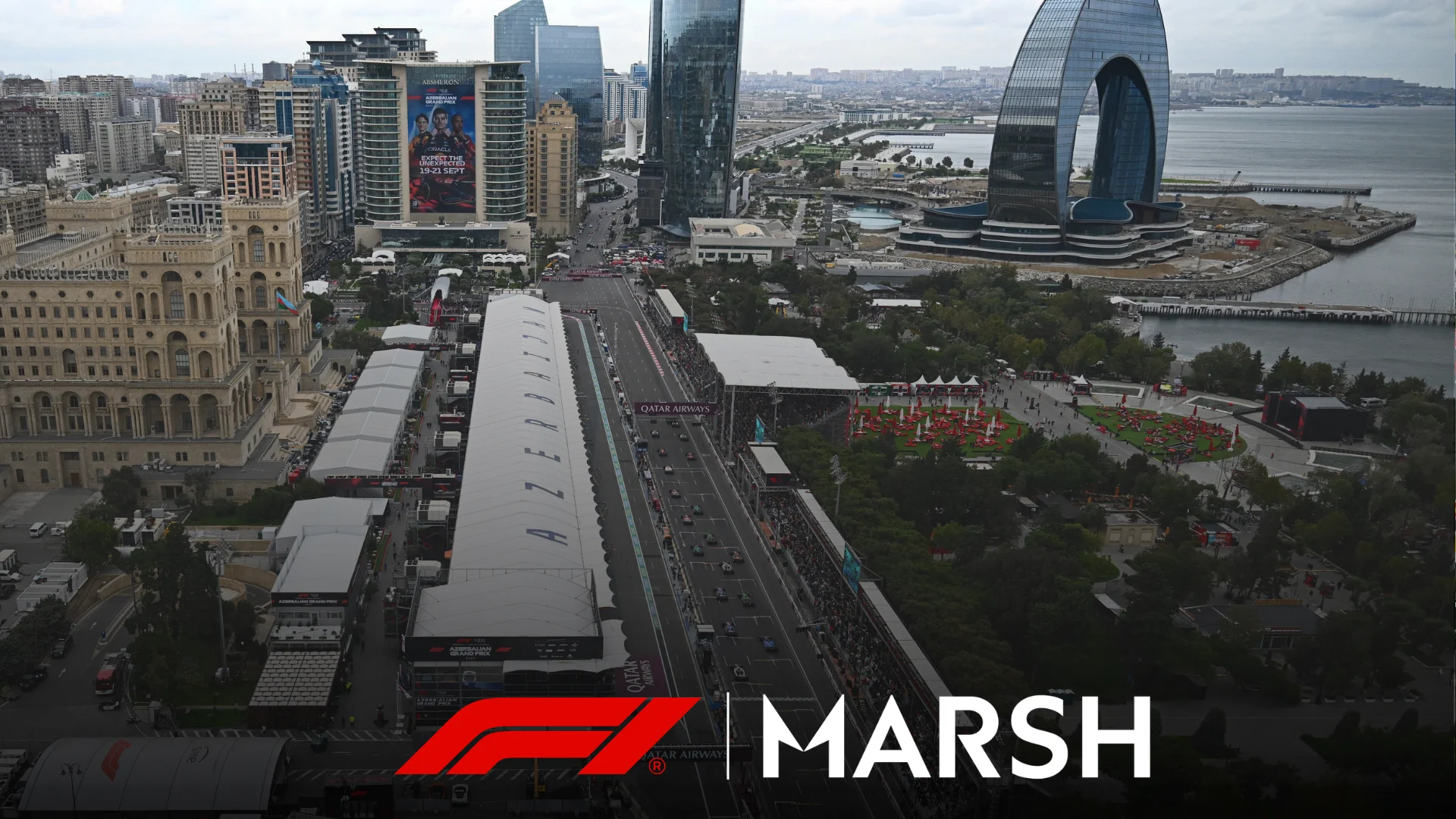
Baku City Circuit has grown from a novelty into one of F1's most demanding weekends. The long straight and the tight Sector 2 force a constant set-up compromise. Brake cooling swings from cold on the straight to hot in the twisty middle sector, and the threat of red flags makes qualifying a lottery.
Why it matters:
The 2026 regulations could change Baku's character. McLaren's Racing Director Randy Singh says overtaking has been increasing across the season, and the strong slipstream down the main straight could make for more moves. But the new power units might make passing harder. The result: a race that's still qualifying-biased, but with more strategic possibilities.
The details:
- Set-up: Teams must choose between low downforce for speed and downforce for Sector 2's tight corners. There's no perfect answer.
- Qualifying: Red and yellow flags are frequent, so an early banker lap is vital. McLaren reserve Leonardo Fornaroli adds that the track evolves quickly as rubber goes down, making every lap count.
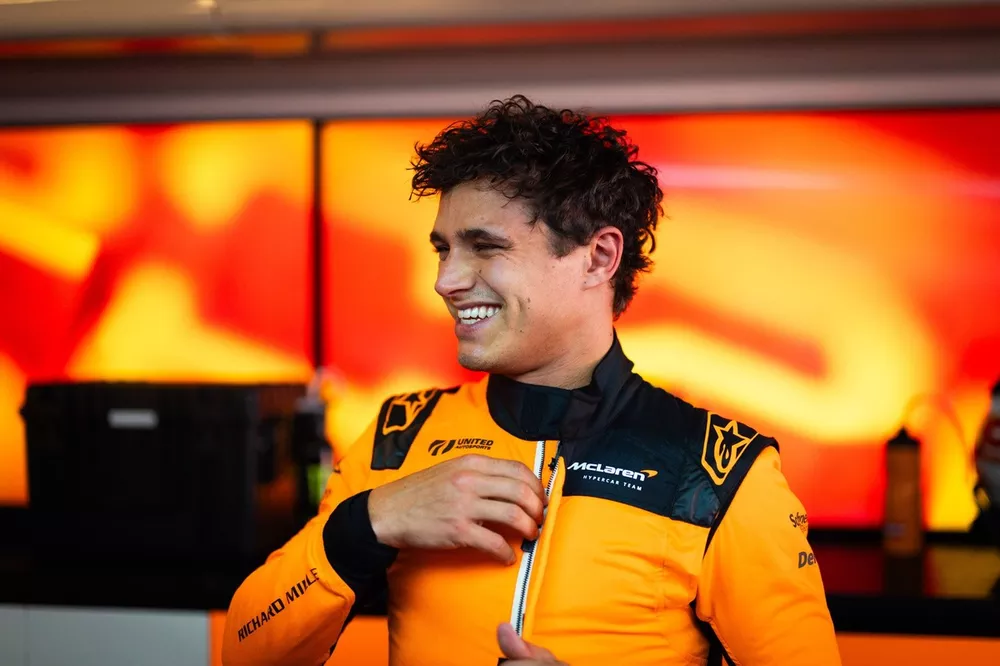
- Strategy: A one-stop is likely, but Norris's 2024 reverse strategy—starting on hards and finishing on mediums—shows how to recover from a poor grid slot.
What's next:
With 2026's unknowns, Baku could once again deliver chaos. The 2017 race, with its collisions, red flags, and Ricciardo's unlikely win, remains the benchmark for unpredictability. This weekend, expect the unexpected.
Original Article :https://www.formula1.com/en/latest/article/the-risk-perspective-how-f1-drivers-e...