








Honda's 2026 F1 engine plagued by mystery vibrations, damaging battery
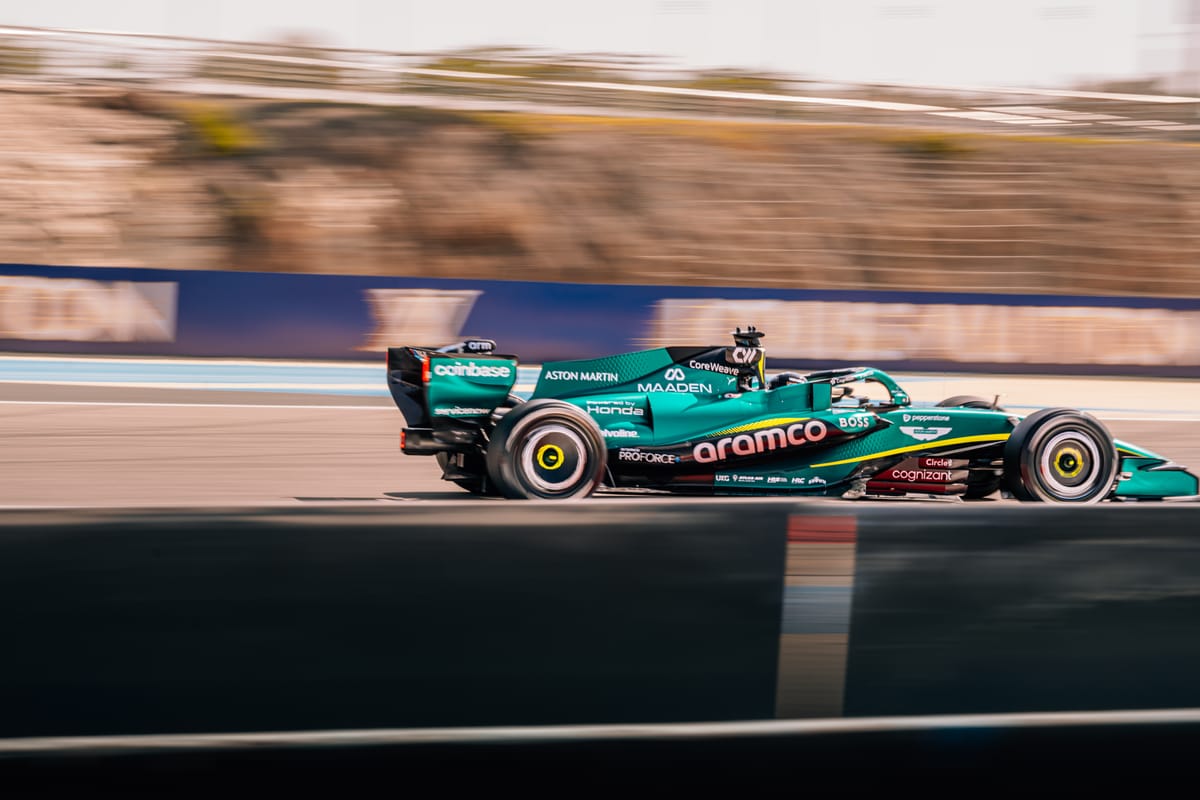
Honda's new 2026 Formula 1 power unit is suffering from severe and unexpected vibrations that have damaged its battery system, with engineers yet to identify a single root cause. The issue, which emerged during pre-season testing with partner Aston Martin, has drastically limited running and casts doubt on the engine's reliability for the start of the season. Honda is now in a race against time to implement countermeasures before the Australian Grand Prix.
Why it matters:
Reliability is the foundation of any F1 campaign, and starting a season with an unresolved fundamental issue can cripple a team's development and points haul. For Aston Martin, a team with ambitious performance targets, and for Honda, which is aiming to prove its technical prowess in the new 2026 regulatory era, these pre-season setbacks threaten to derail their competitive momentum from the very first race.
The details:
- The core problem is abnormal vibration within the power unit assembly, which is causing physical damage to the new-for-2026 battery pack. Honda confirmed the battery is being shaken because the structure it's mounted to is vibrating more severely than simulations predicted.
- No Single Cause: Honda Technical Director Ikuo Takeishi stated that multiple linked factors are generating the vibration, making it difficult to isolate and fix one specific component. "There is a possibility it takes time," he admitted.
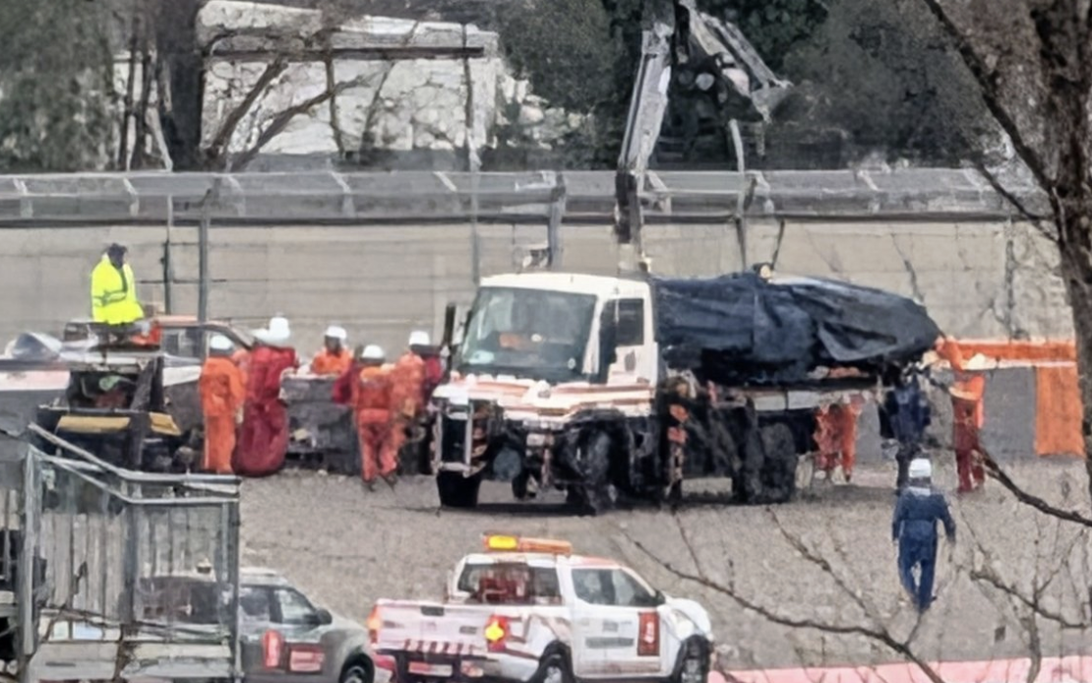
- Testing Setback: The vibration issues led to a severe shortage of spare parts, limiting Aston Martin to just 128 laps over three days in the second Bahrain test. For context, most other teams completed over 300 laps.
- Aggressive New Design: The 2026 Honda battery features a new two-tier design to accommodate the more powerful 350kW MGU-K, which is more compact due to Aston Martin's chassis requests. This repackaging may be a contributing factor to the vibration challenges.
- Correlation Gap: The problem did not appear in Honda's dyno testing at its Sakura facility, highlighting a critical disconnect between virtual simulation and real-world track conditions—an echo of issues that plagued its McLaren partnership in 2017.
What's next:
Honda and Aston Martin's immediate focus is on finding short-term countermeasures to get through the opening races, starting in Australia. This will involve possible modifications to both the engine and the chassis to dampen the vibrations.
- The long-term fix is more complex. Honda will need to consume part of its limited in-season development budget and cost cap allocation to design and introduce new reliability-focused parts, potentially at the expense of performance upgrades later in the year.
- The situation puts immense pressure on Honda's troubleshooting capabilities. The speed and effectiveness of their response will define Aston Martin's early-season competitiveness and set the tone for their crucial 2026 partnership.
Original Article :https://www.the-race.com/formula-1/honda-f1-2026-engine-abnormal-vibrations-caus...