




Hill echoes Sainz's warning after Bearman's 'brake test' crash at Suzuka
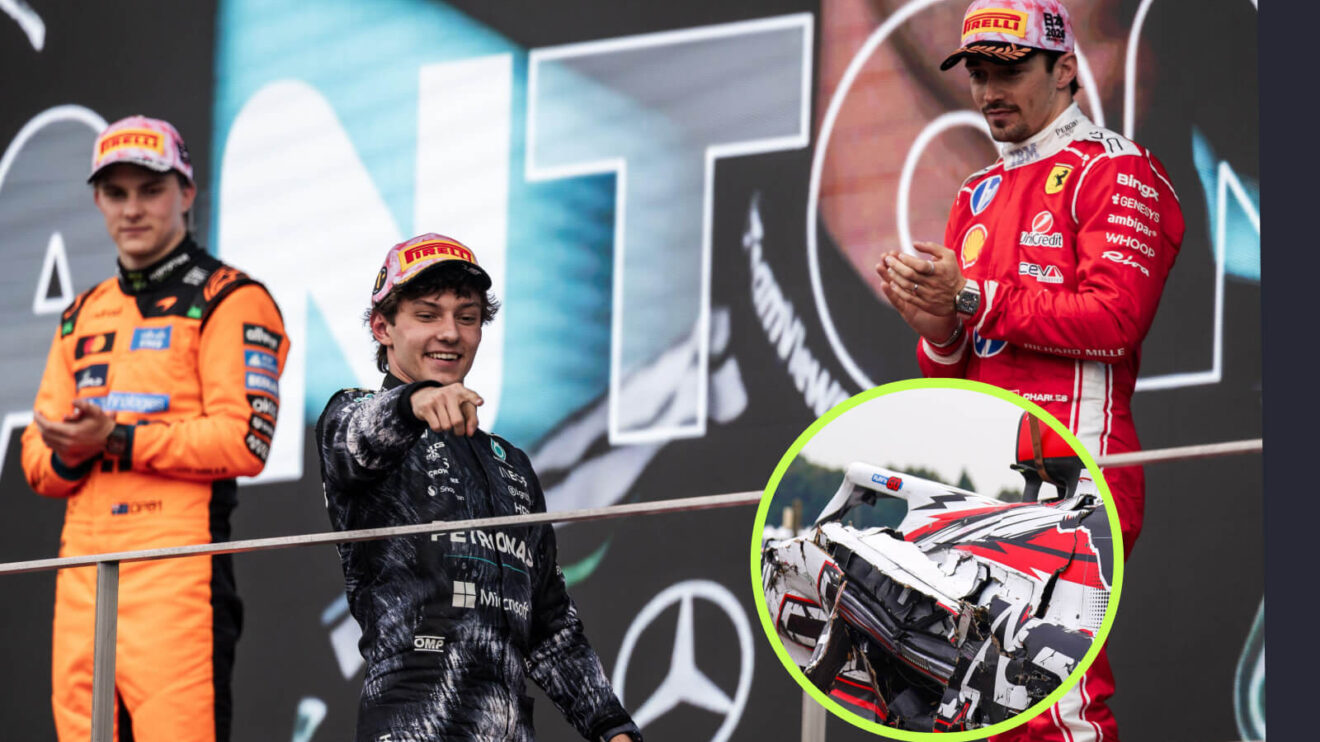
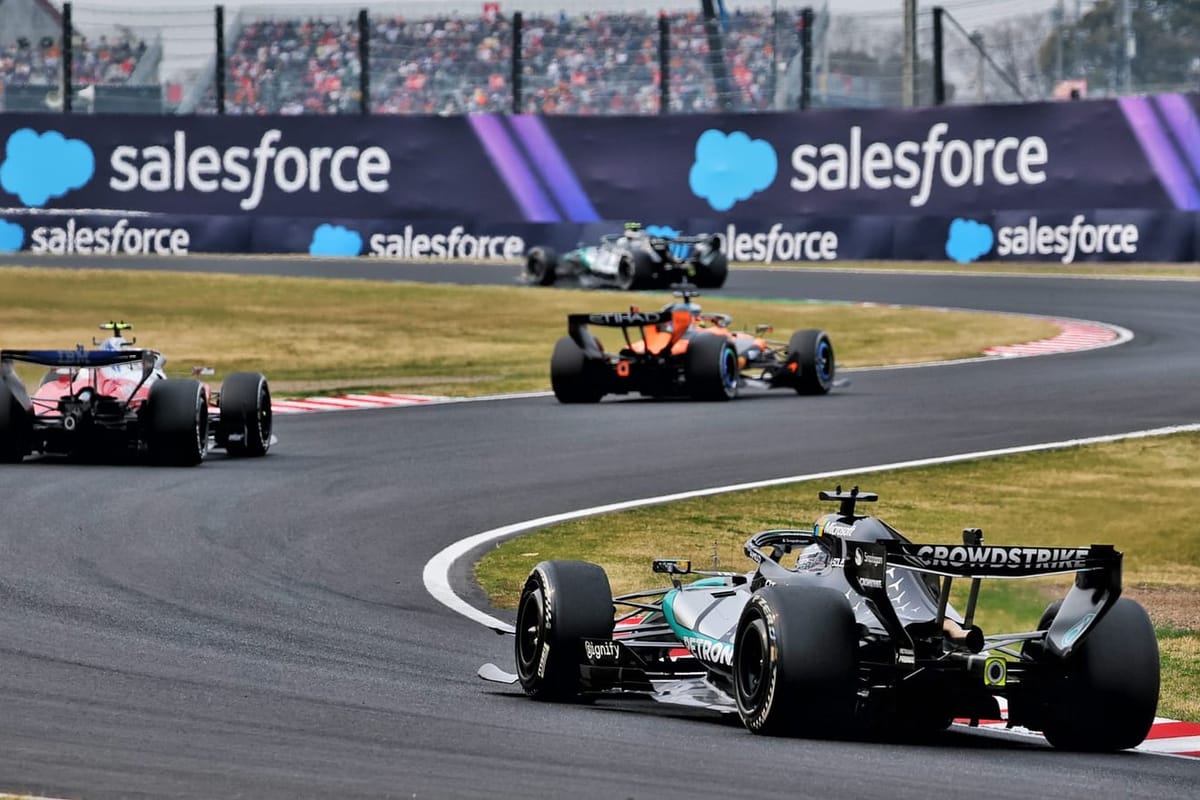
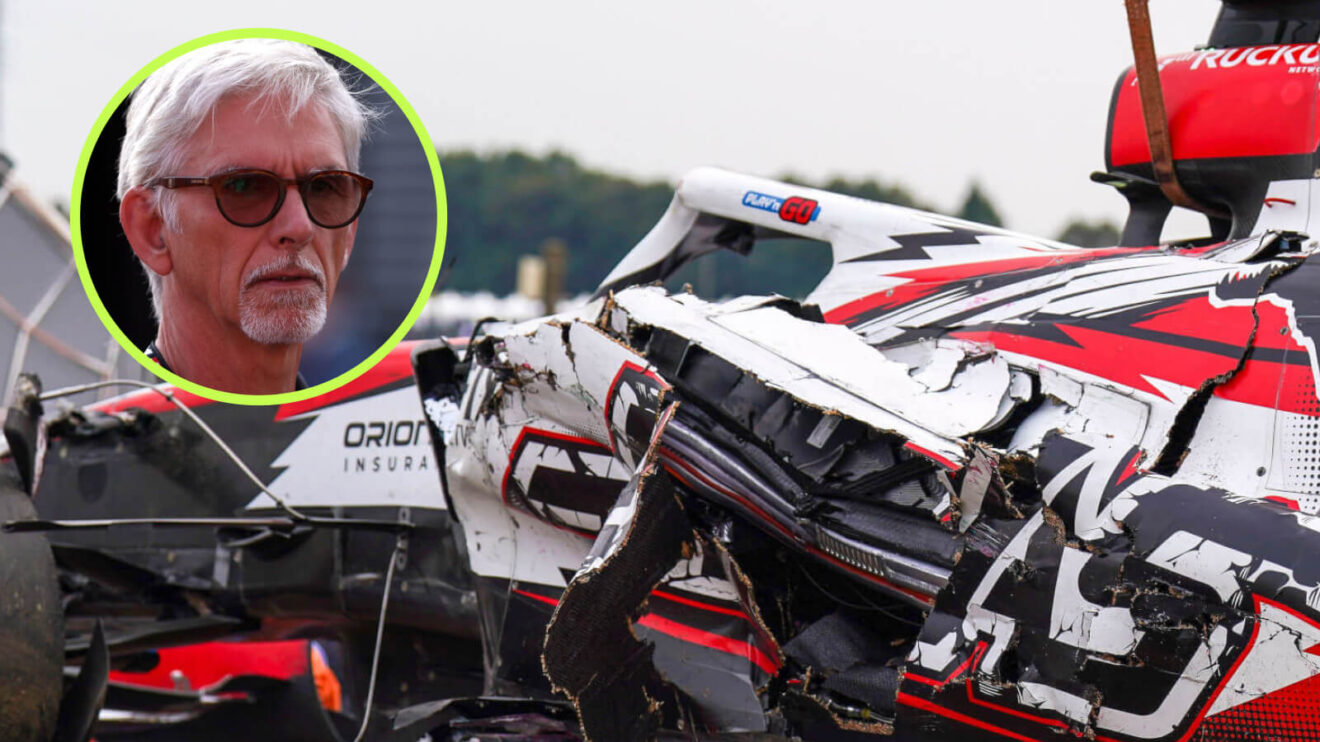
Damon Hill has backed Carlos Sainz's urgent call for regulatory changes following Oliver Bearman's high-speed crash at the Japanese Grand Prix, comparing the sudden speed differentials to dangerous 'brake testing'. The incident, where Bearman hit the barrier with a 50G impact after misjudging his closing speed on a slower car, has intensified the debate over the safety of Formula 1's current power unit and energy recovery rules.
Why it matters:
This crash has transformed theoretical warnings into a stark reality, putting immediate pressure on the FIA to address what drivers see as a fundamental flaw in the racing product. With cars now experiencing extreme speed differences—sometimes over 50 km/h—on the same straight, the risk of a catastrophic accident is no longer hypothetical. The governing body's response will directly impact driver safety and the essence of wheel-to-wheel racing for the remainder of the season.
The details:
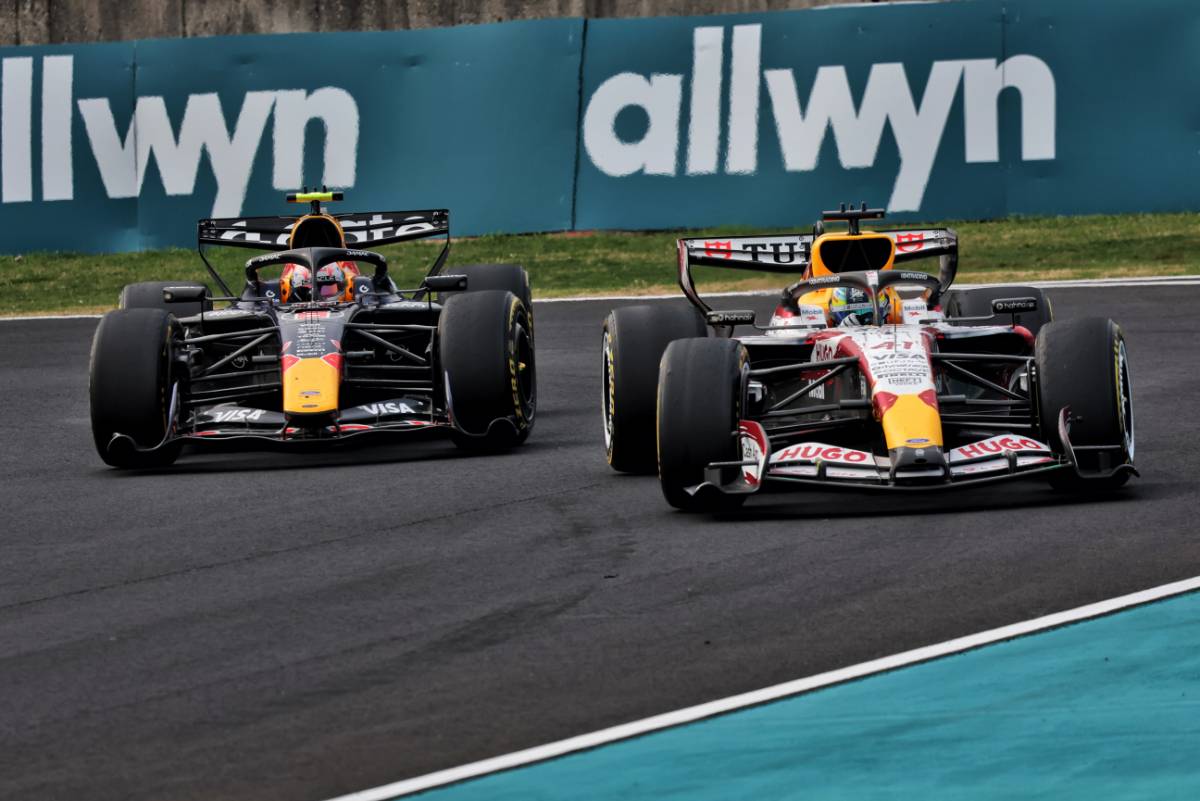
- The crash occurred as Bearman's Haas, travelling at approximately 308 km/h, rapidly approached Franco Colapinto's Alpine at the Spoon curve. The closing speed delta was around 50 km/h.
- Bearman took evasive action, ran onto the grass, lost control, and slid sideways across the track before a heavy 50G impact with the tire barrier. He escaped with only a bruised knee.
- Carlos Sainz had been warning for weeks that such an incident was "always going to happen" under the current rules, which can leave a car with a depleted battery suddenly slow on a straight.
- Damon Hill supported this view on social media, stating that "cars unexpectedly slowing on the fastest parts of any circuit is tantamount to being 'brake tested'" and that the warning lights on the cars may be activated too late.
- The FIA has acknowledged the concerns and scheduled a meeting with teams for April 9th to assess the new regulations and discuss potential refinements, particularly around energy management.
What's next:
All eyes are on the FIA's technical working group meeting in April. Any changes to the complex energy recovery regulations will require careful simulation and analysis, meaning a quick fix is unlikely before the next race in China.
- The focus will be on finding a solution that maintains the strategic element of energy deployment while eliminating the dangerous, unpredictable speed deltas that currently exist.
- Drivers will continue to race under what they consider a heightened risk until a technical directive or agreed-upon change is implemented, likely placing the onus on even greater situational awareness and caution during overtakes.
Original Article :https://www.planetf1.com/news/carlos-sainz-warning-damon-hill-bearman-suzuka-cra...