





High-Altitude Hurdles: Turbo Lag and Aero Woes at the 2026 Mexico GP
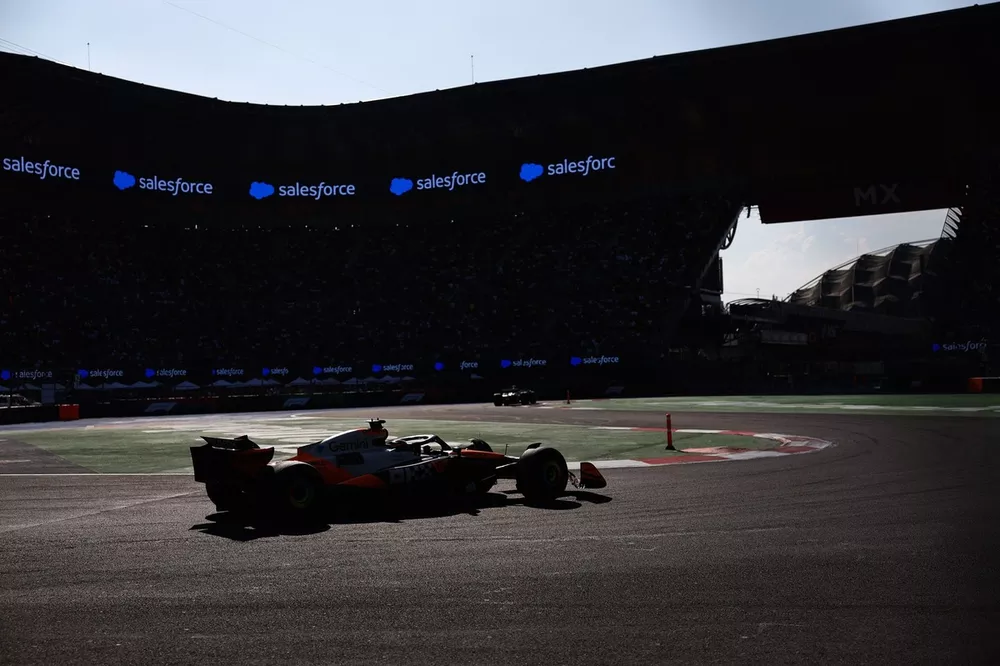
The Autodromo Hermanos Rodriguez remains the most challenging high-altitude venue on the F1 calendar. With the 2026 regulations removing the MGU-H, teams are facing an intensified battle against turbo lag and aerodynamic instability in the thin Mexican air.
Why it matters:
The absence of the MGU-H means manufacturers can no longer electronically mitigate turbo lag. In Mexico's thin air, where turbos must spin at extreme speeds to maintain boost, this creates a significant performance and reliability gap. The inability to counteract lag not only affects lap times but puts immense thermal strain on the power units.
The Details:
- Turbo Lag Crisis: Without MGU-H support, turbos must work significantly harder to compensate for lower oxygen levels, leading to higher operating temperatures and reliability risks.
- The Ferrari Edge: George Russell identified Ferrari as a favorite due to their smaller turbo design. Lower inertia allows the turbine to spool up faster, reducing lag during throttle application.
- Honda's Struggle: After driveability issues in Singapore, Honda introduced countermeasures in Austin. However, Mexico's altitude is a far more severe test for their power unit's operation.
- Active Aero Limits: New active aerodynamics have restricted the traditional high-downforce wing setups used in Mexico. This results in lower overall grip, leaving cars feeling "slippery" in the corners.
- Surface Variables: New asphalt may provide increased mechanical grip, which teams hope will offset the loss in aerodynamic load.
The Big Picture:
The shift to the 2026 power unit architecture has fundamentally changed the approach to high-altitude racing. While previous years relied on electronic assistance to smooth out power delivery, the current era forces a raw trade-off between engine reliability and chassis stability.
What's next:
Free practice will be the ultimate litmus test. Teams will monitor whether engine operation must be restricted to prevent turbo failure and if the new track surface can save drivers from a weekend of extreme instability.
Original Article :https://www.motorsport.com/f1/news/why-f1s-new-regulations-make-the-mexican-gp-a...