











Hadjar and Verstappen Call for Ban on Cooling Vests
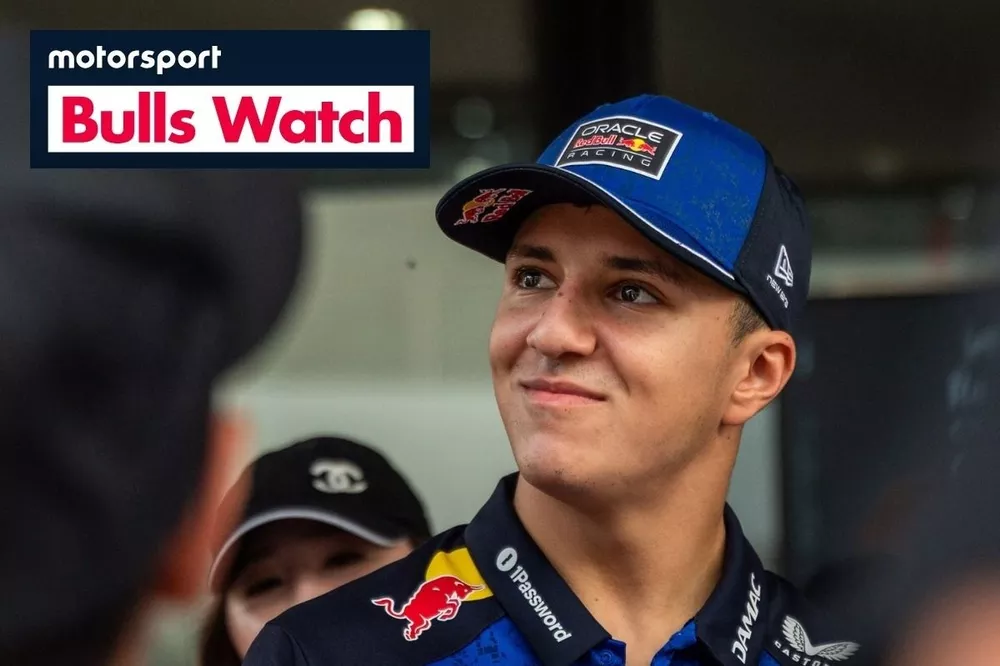
Red Bull driver Isack Hadjar is advocating for a total ban on cooling vests in Formula 1, arguing that the extreme physical toll of the cockpit is an essential element of motor racing. This stance marks a pushback against the trend of using artificial aids to mitigate the grueling heat and humidity drivers face during Grand Prix weekends.
Why it matters:
This debate touches on the fundamental philosophy of F1: is the championship a test of technical efficiency, or should it remain a raw test of human endurance? By removing the struggle against heat, some argue that the sport risks sanitizing the physical challenge that separates elite athletes from the rest of the grid.
The details:
- Trigger Point: The discussion resurfaced following the Bahrain Grand Prix in Malaysia, where the intense humidity of the Sepang International Circuit pushed drivers to their physical limits.
- Technical Limitations: While the vests pump cool liquid through tubes in a fireproof top, their effectiveness is short-lived. As cockpit temperatures soar, the liquid itself heats up, rendering the system ineffective over a full race distance.
- Operational Hindrance: Max Verstappen criticized the hardware, noting that the "stupid cables" required for the system can restrict a driver's movement within the tight confines of the chassis.
- Current Regulations: Under current rules, if a heat hazard is declared, teams can choose between using cooling vests or carrying ballast to ensure no weight advantage is gained by those opting out of the technology.
The big picture:
Red Bull's unified front suggests a preference for "old-school" resilience. While some drivers view cooling aids as a necessary tool for safety and performance, the team's top drivers see them as an unnecessary crutch that adds complexity without providing a consistent benefit.
What's next:
Whether the FIA will consider a ban remains uncertain. However, as the 2026 season continues to push the limits of driver physiology in extreme climates, the tension between driver welfare and the preservation of the sport's physical challenges will likely intensify.
Original Article :https://www.motorsport.com/f1/news/isack-hadjar-calls-for-f1-cooling-vests-to-be...