






Haas chief debunks Ferrari engine power myth with GPS data
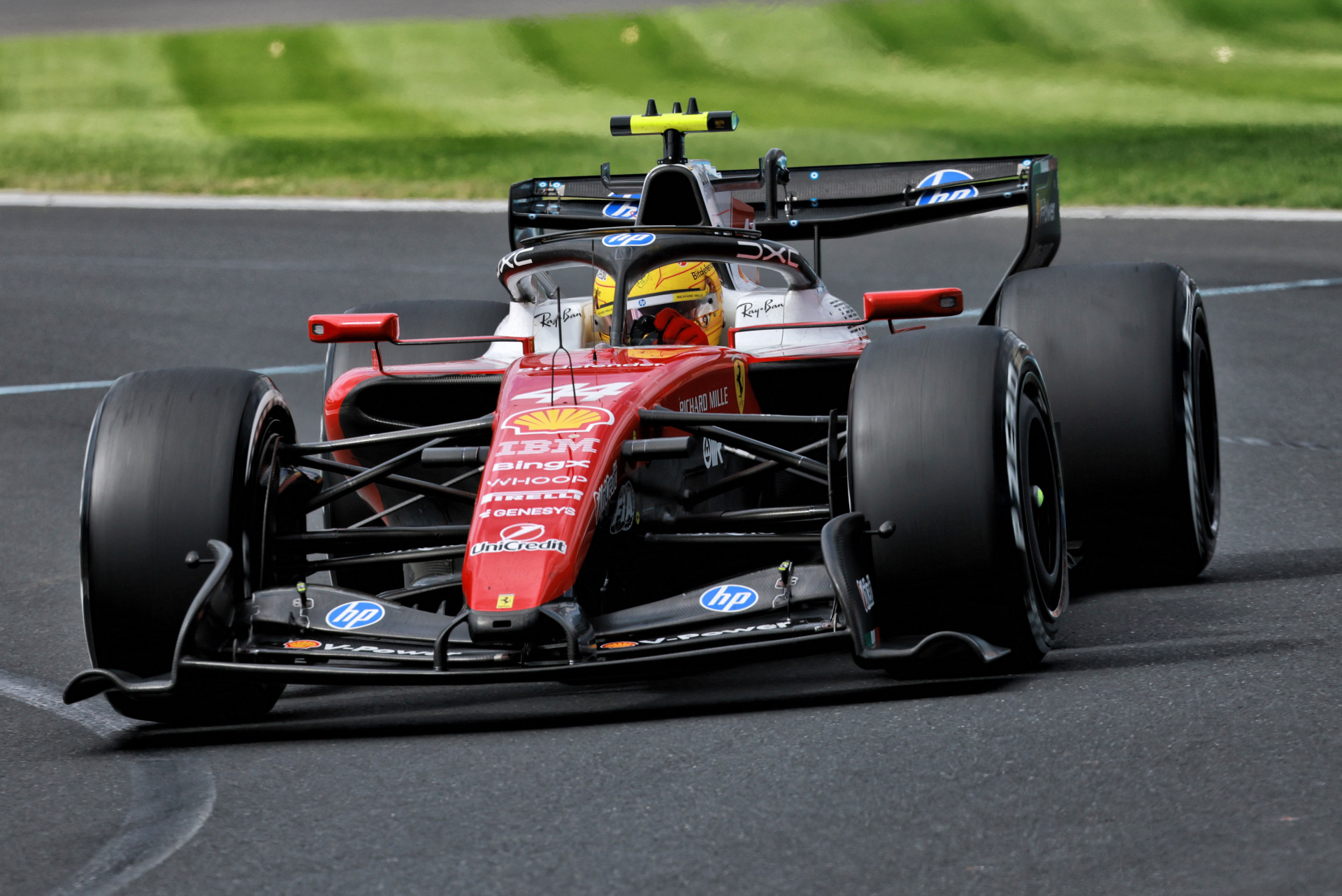
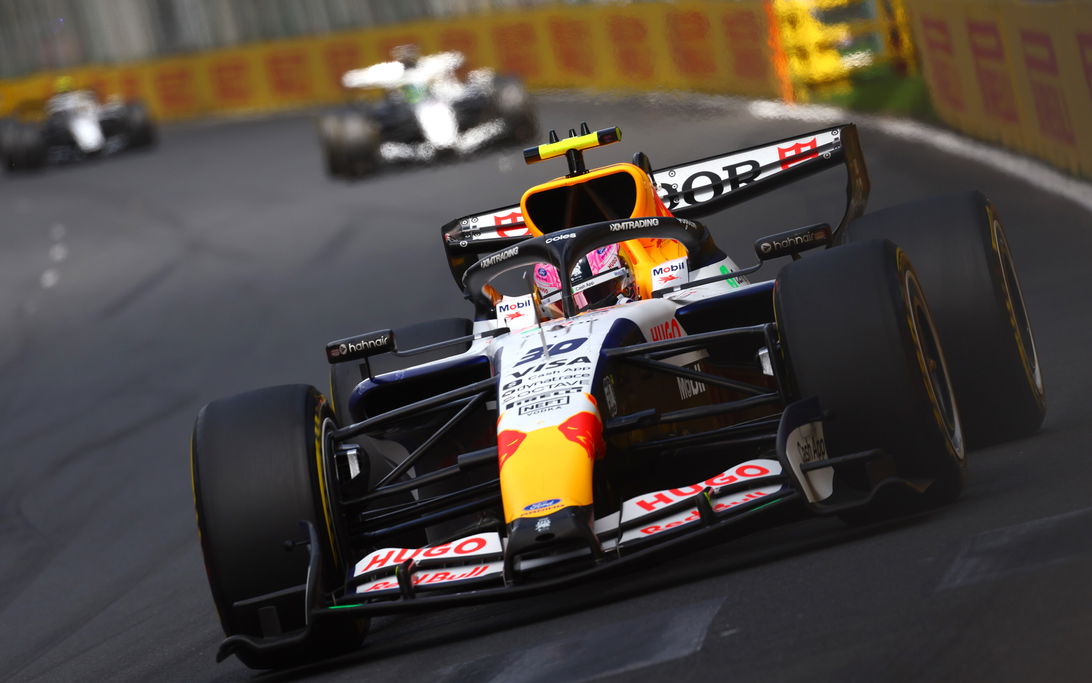
Haas team principal Ayao Komatsu has pushed back against the narrative that the Ferrari power unit is a weakness, using GPS data to argue that the performance gap among midfield teams is more nuanced and circuit-dependent than commonly perceived. He specifically highlighted the strength of the Audi power unit and explained that strategic energy deployment differences, not raw engine power, are key differentiators in the tightly packed midfield battle.
Why it matters:
The performance of customer teams like Haas is often used as a barometer for the factory squad's engine competitiveness. Dispelling the "weak Ferrari engine" myth is crucial for understanding the true competitive order, where aerodynamics, chassis, and energy management often outweigh pure horsepower. Komatsu's data-driven rebuttal shifts the focus to the complex, multi-faceted reality of F1 performance in 2026.
The details:
- Komatsu directly challenged the assumption that Haas's Ferrari engine is "clearly better" than Audi's, asking critics, "Have you looked at GPS traces?"
- He praised the Audi power unit as "very good" and was "shocked" by the comparison, emphasizing he was not criticizing Ferrari but stating observable facts.
- The core of the performance difference lies in energy deployment strategy. Komatsu noted his team races against four different power unit manufacturers (Red Bull-Ford, Audi, Alpine-Mercedes, and Ferrari), each with unique deployment capabilities his team must learn and adapt to.
- This strategic variance made overtaking extremely difficult in the early races, underscoring that straight-line speed is a product of complex energy management, not just internal combustion engine (ICE) output.
The big picture:
Komatsu's comments reflect the new, hyper-competitive reality of the F1 midfield, where four different power unit manufacturers are now represented in a close fight. A team's weekend result is increasingly determined by optimizing a specific package—engine deployment, chassis, aerodynamics—for a given circuit's characteristics, rather than possessing a universally dominant engine. Haas's point-scoring finish in Melbourne, ahead of Red Bull, Audi, and Alpine, demonstrates this parity.
What's next:
The coming races, particularly at power-sensitive circuits, will test Komatsu's analysis. All eyes will be on the straight-line speed traces in Shanghai and beyond to see if the GPS data continues to support his view of a balanced midfield engine fight. Haas's challenge will be to consistently optimize their Ferrari package's energy deployment to maintain their early edge in this congested and technically diverse group.
categories: [
Original Article :https://www.gpblog.com/en/news/haas-f1-boss-challenges-ferrari-engine-myth-have-...
