




Hülkenberg on F1's 'fun and frustrating' energy management battle
Nico Hülkenberg describes the modern Formula 1 driver's battle with complex energy management systems as both "fun and frustrating," highlighting a growing disconnect between the on-track spectacle and the driver's tactical reality. The Audi driver emphasizes that races are now a high-stakes game of strategic resource allocation, where a single misstep can instantly neutralize a competitive advantage.
Why it matters:
The core skill set for an F1 driver is fundamentally shifting from pure, flat-out bravery to meticulous energy chess. This evolution, driven by the hybrid power unit era, creates a scenario where the fastest car or most aggressive driver isn't guaranteed success, placing a premium on strategic patience and calculated risk. For fans, it means the overtakes they see are often the result of minutes of prior energy management, not just a last-corner lunge.
The Details:
- Hülkenberg captures the dichotomy, stating the energy systems are "interesting and fun" but also "weird and frustrating," as drivers must constantly decide when to deploy their limited electrical energy (ERS) for an attack or defend.
- The penalty for error is severe: overspending energy leads to a "de-rate," where the power unit cuts performance, leaving a driver a "sitting duck" on the straights as rivals with full energy reserves fly past with "immense" closing speeds.
- This creates a scenario where drivers "really have to pick your fights," often choosing not to overtake even when physically possible, to preserve energy for a more strategically optimal moment later in the race.
- The difference in perspective is stark. Hülkenberg notes that while a race might look "entertaining on TV," the in-cockpit experience is "different," dominated by constant calculations rather than pure racing instinct.
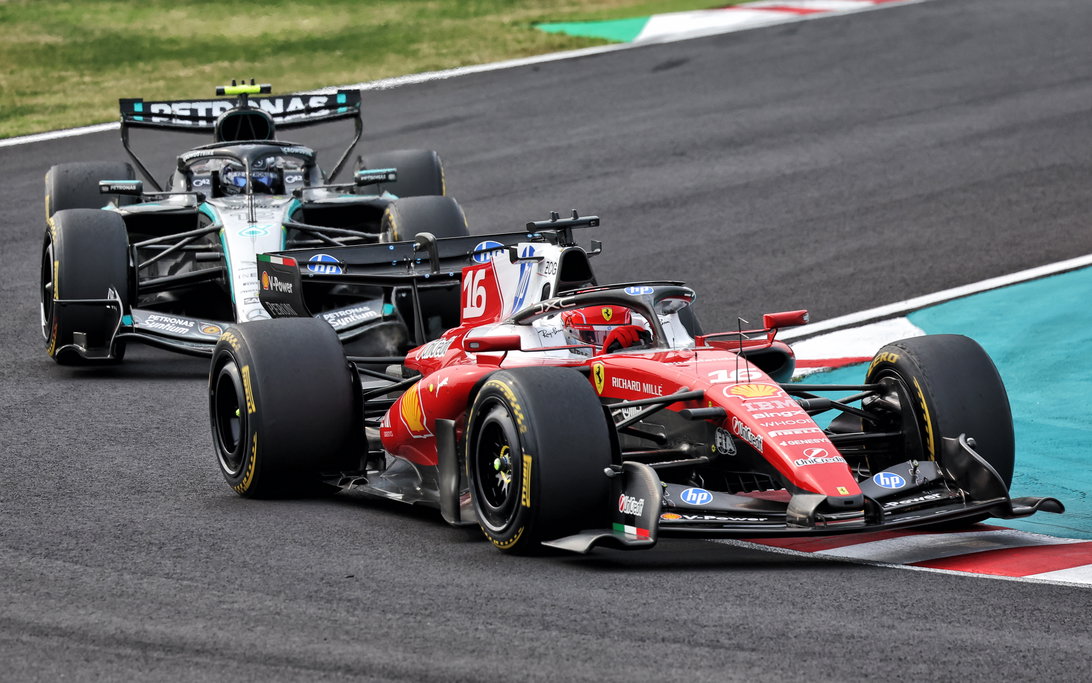
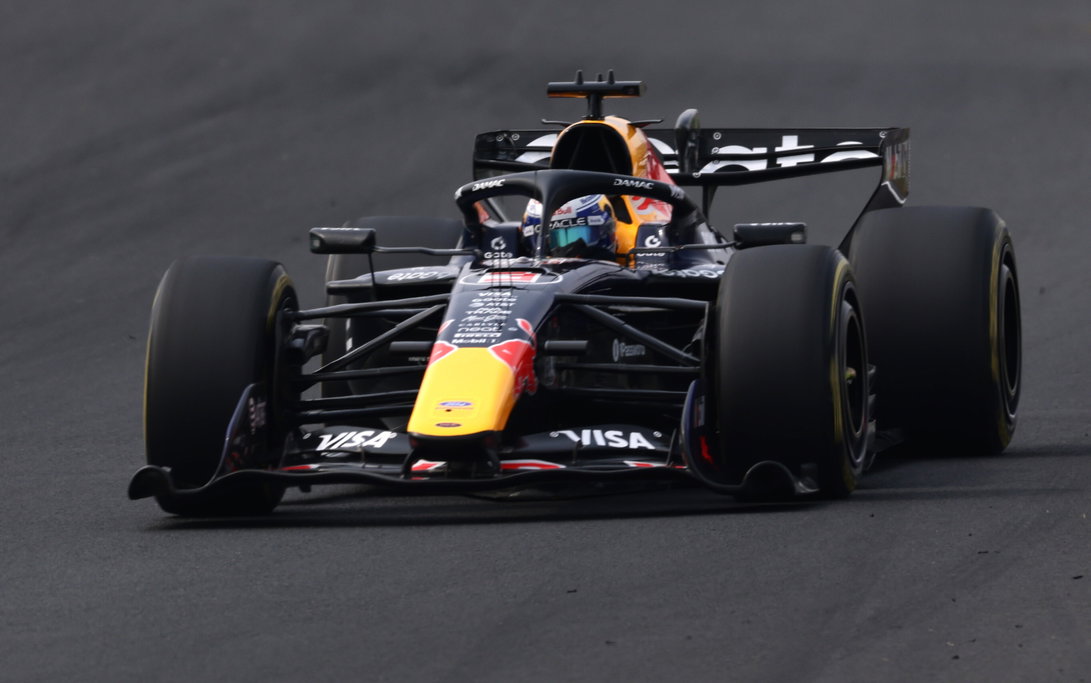
- Other drivers echo the sentiment. Max Verstappen has compared the strategic boosts to Mario Kart, while Charles Leclerc has lamented the end of flat-out qualifying laps due to energy harvesting requirements.
What's next:
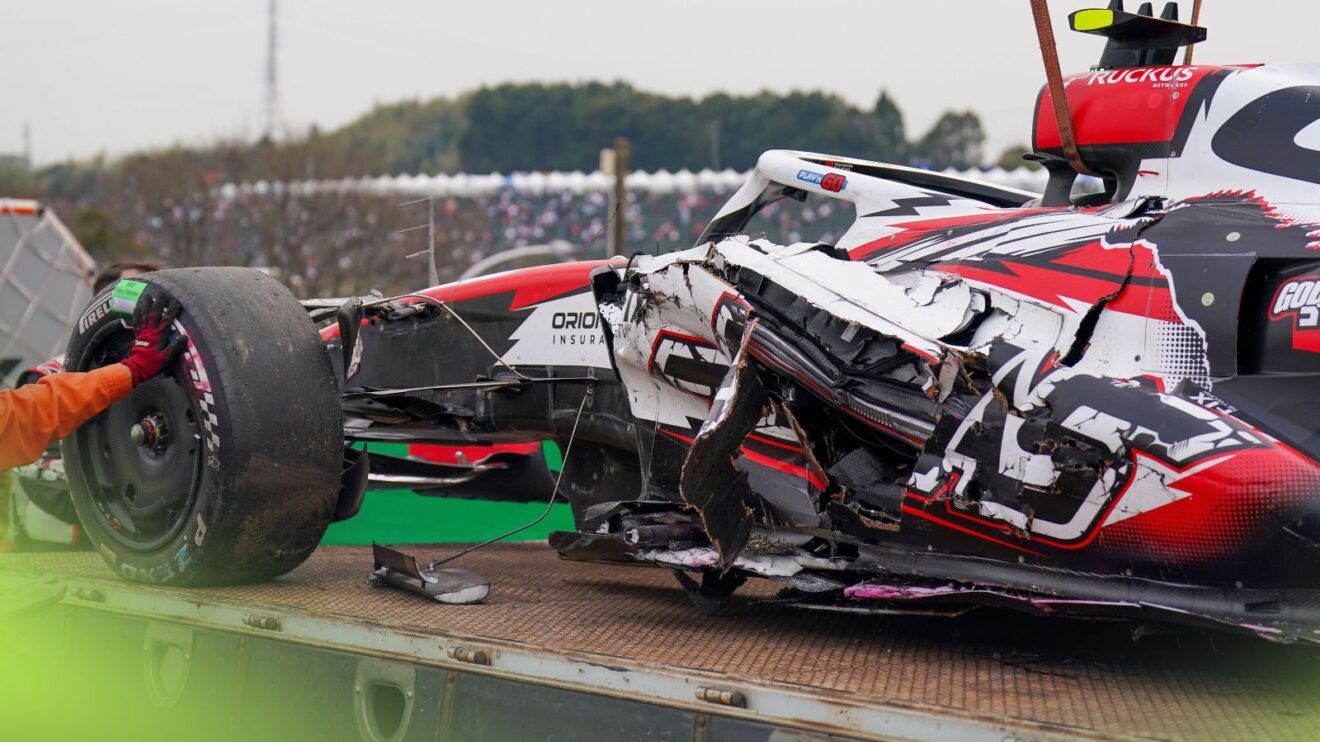
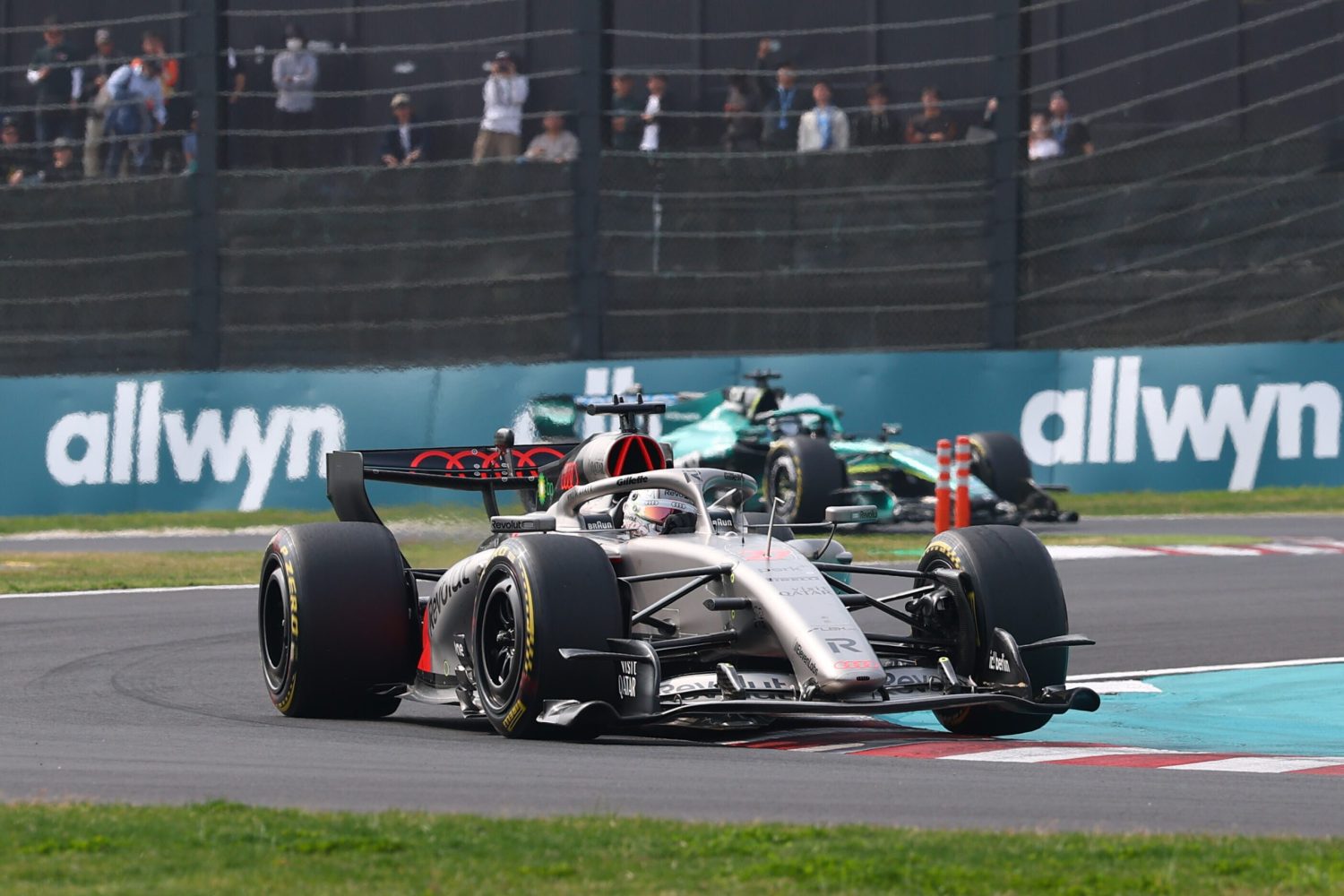
For Hülkenberg and Audi, mastering this balance is part of a larger "work in progress." His point-less start to the season, including a costly poor start in Japan he believes cost him points, underscores that race execution is as critical as car performance. The broader challenge for F1 is navigating this technological complexity without diluting the essence of wheel-to-wheel combat. As the sport evolves, the drivers who thrive will be those who best marry raw speed with the patience of a grandmaster, knowing precisely when to attack and, just as importantly, when to wait.
Original Article :https://f1i.com/news/562563-hulkenberg-on-why-f1s-hidden-struggle-is-both-fun-an...