




George Russell Urges FIA Intervention Over Driver Cooling Solutions
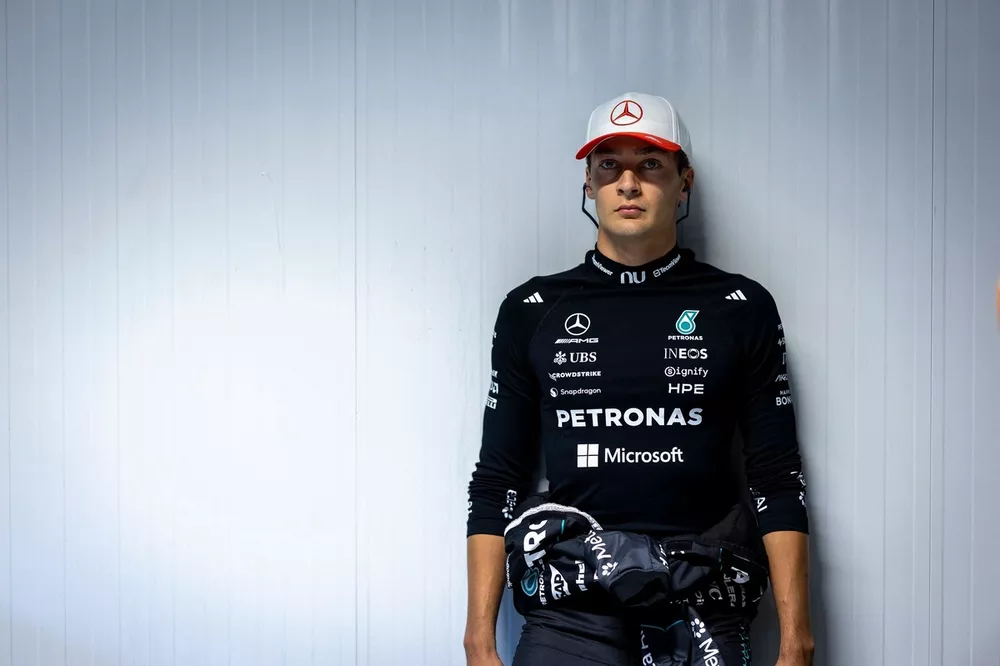
George Russell has called for the FIA to intervene in the development of driver cooling systems, suggesting the governing body should protect teams from prioritizing performance over driver health. With the 2026 season experiencing multiple "heat hazards," Russell argues that the current optional nature of cooling vests forces teams to make a compromise between driver comfort and car development.
Why it matters:
In the current era of strict cost caps, every engineering resource spent on driver comfort is a resource taken away from the car's performance. For Mercedes, the decision to forgo a robust cooling solution for the W17 reflects a high-stakes gamble: prioritizing lap time over the physical strain of racing in extreme temperatures, especially as they fight to close the gap with McLaren, Red Bull, and Ferrari.
The Details:
- Heat Hazard Protocol: The FIA declares a "heat hazard" when ambient temperatures are predicted to exceed 31°C. The 2026 season has already seen three such events, including the Bahrain Grand Prix held in Malaysia.
- The Resource Trade-off: Russell revealed that Mercedes declined to develop a bespoke cooling system because the investment would come at the cost of overall car performance.
- Current Regulations: Cooling vests are currently optional. Drivers who choose not to use them must add 0.5kg of ballast to their cars to maintain parity.
- System Inefficiency: Many drivers have previously dismissed the standard FIA-provided vests, claiming they only provide a benefit for a few laps before becoming a physical hindrance.
The Big Picture:
This friction highlights a recurring tension in Formula 1: the balance between athlete safety and technical competition. While the 2023 Qatar Grand Prix served as a wake-up call regarding heat exhaustion, the lack of a mandatory, high-efficiency system suggests that unless the FIA provides a centralized solution or a cost-cap exemption, driver comfort will remain secondary to aerodynamic and powertrain gains.
What's next:
As the calendar moves toward the Singapore Grand Prix—another expected heat hazard—the pressure on the FIA to provide a standardized, high-performance cooling solution will likely increase. For now, Russell and his teammates will have to endure the heat in pursuit of a more competitive W17.
Original Article :https://www.motorsport.com/f1/news/whats-actually-going-on-with-george-russells-...