






Gary Anderson analyzes Adrian Newey's first Aston Martin F1 car design
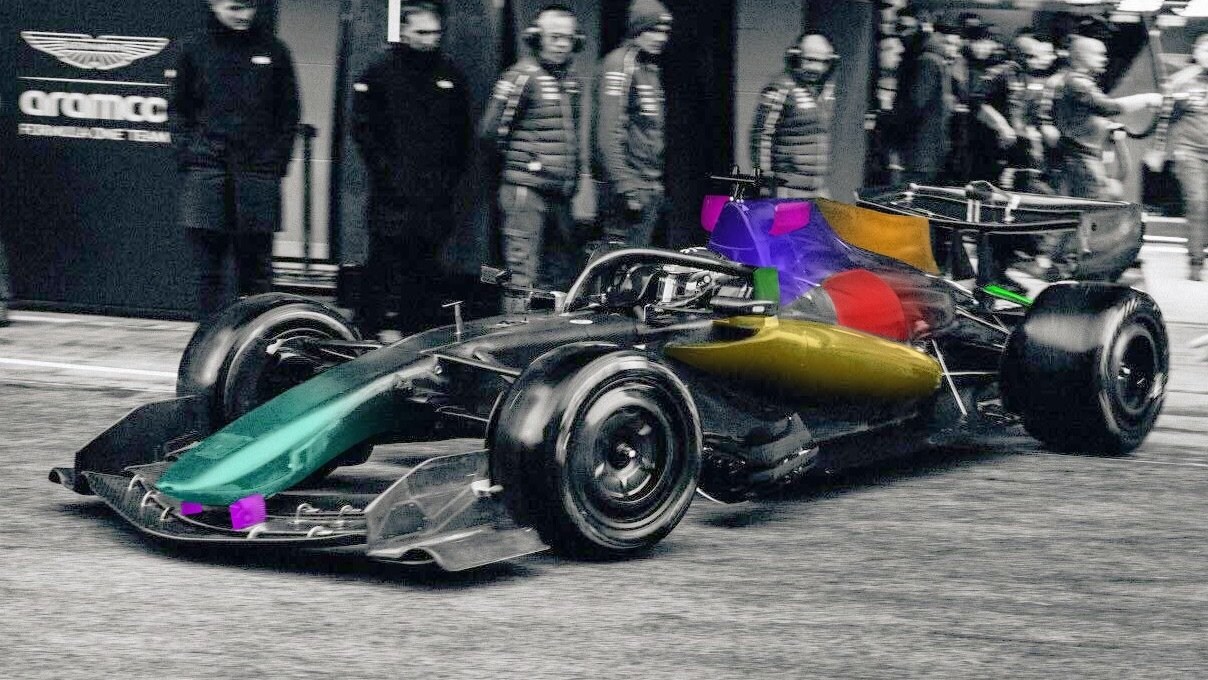
Aston Martin's 2026 F1 car, the AMR26, made its track debut in Barcelona, immediately standing out with a series of distinctive design features penned by legendary designer Adrian Newey. While its initial test was cut short by a stoppage, the car's aggressive aerodynamic packaging and unique suspension geometry reveal a bold interpretation of the new regulations, signaling a fresh technical direction for the Silverstone-based team.
Why it matters:
This car represents Adrian Newey's first complete design since leaving Red Bull, offering the first tangible evidence of his impact at Aston Martin. Its radical approach challenges conventional solutions seen on other 2026 cars, testing whether Newey's famed 'lateral thinking' can propel the team into consistent front-running contention against established giants like Red Bull, Ferrari, and Mercedes.
The details:
- Front-End Innovation: The car features a notably efficient nose-to-front-wing mounting system, attaching to the wing's second element rather than the leading edge. This reduces structural load on the nose but may limit adjustability of the third element under the new active aero rules.
- Advanced Suspension Geometry: The front suspension is packaged exceptionally high within the chassis rules. The top wishbone's rear leg is mounted much lower and further back than typical designs, a layout that dynamically increases caster with speed for straight-line stability while reducing steering load in slow corners.
- Aerodynamic Philosophy: The sidepods follow a 'downwashed' airflow structure, with a pronounced undercut leading edge (reminiscent of Newey's 2023 Red Bull) that channels air aggressively around the bodywork. The team employs louvres on the bargeboard and floor to manage airflow around the rear tires, reducing disruptive 'tyre squirt'.
- Cooling Solution: Aston Martin utilizes a large, forward-mounted engine cover cooling outlet. This positioning allows hot air more time to mix with free-stream airflow before reaching the critical rear wing area, potentially offering an aerodynamic advantage over rear-mounted 'cannon' outlets used by rivals.
- Rear Suspension Packaging: The rear suspension's top wishbone is mounted unusually high, with its rear leg potentially anchored to the central rear wing pylon. This clever packaging helps achieve desired anti-lift characteristics while freeing up space around the gearbox.
What's next:
The true test of the AMR26's radical design will come at the season opener in Melbourne. While its concepts look promising on paper, reliability and translating aerodynamic potential into consistent lap time are the next hurdles. The car's development trajectory under Newey's guidance will be closely watched as a barometer for whether Aston Martin has finally unlocked a formula to challenge for regular podiums and, ultimately, championships.
Original Article :https://www.the-race.com/formula-1/gary-anderson-verdict-aston-martin-2026-f1-ca...
