



Frank Williams, Others Acquitted in Ayrton Senna Manslaughter Trial
On December 16, 1997, a Monza court acquitted six defendants, including Williams F1 team founder Sir Frank Williams, of manslaughter charges related to the death of three-time World Champion Ayrton Senna at the 1994 San Marino Grand Prix. The 60-second verdict ended a 10-month trial that had cast a long shadow over the sport, raising fundamental questions about safety, responsibility, and Formula 1's future in Italy.
Why it matters:
The acquittal closed one of F1's most painful and contentious legal chapters. A guilty verdict could have led the FIA to withdraw all motorsport from Italy, jeopardizing historic races like the Italian Grand Prix at Monza. While the court found no criminal liability, Senna's tragic death became an undeniable catalyst for a safety revolution that has since saved countless lives.
The details:
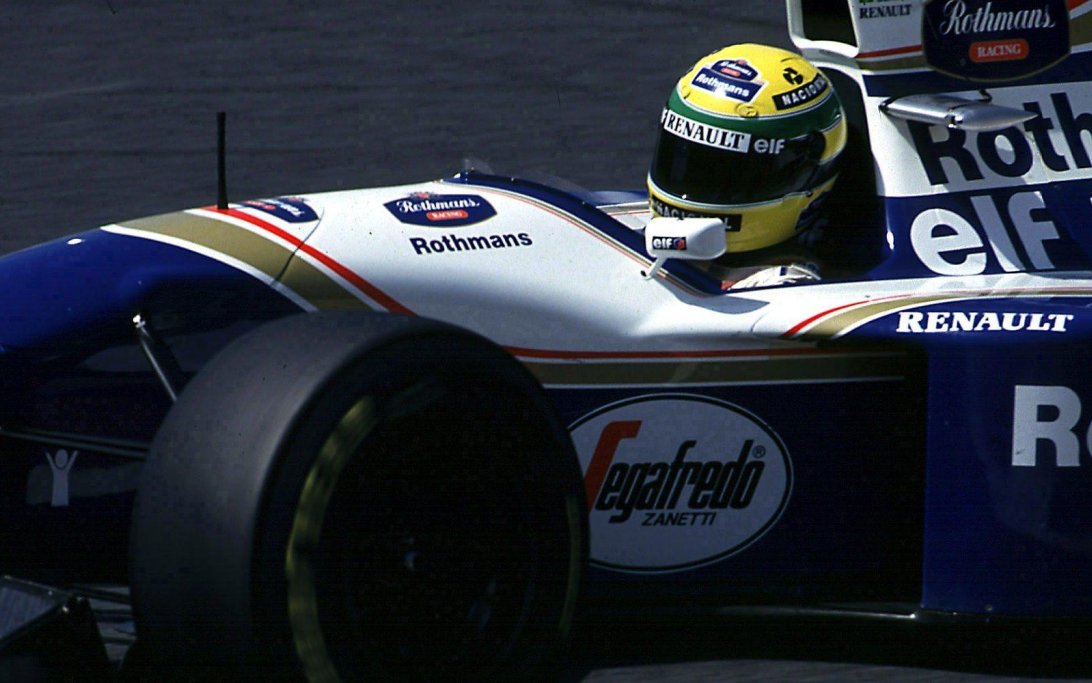
- The prosecution alleged that a modified steering column on Senna's Williams-Renault FW16 failed, causing the car to leave the track at Tamburello corner and strike a concrete wall at approximately 145 mph.
- Alongside Frank Williams, the accused included then-technical director Patrick Head and chief designer Adrian Newey. Prosecutors had sought one-year suspended sentences for Head and Newey.
- Judge Antonio Costanzo ruled that while multiple factors—including speed, tire condition, and track surface—could have contributed to the crash, there was insufficient evidence to establish criminal guilt.
- The Senna family maintained a measured public stance throughout the trial, offering no comment after the verdict. They had previously expressed deep unease about the decision to continue the race weekend after Roland Ratzenberger's fatal accident in qualifying the day before.
The big picture:
The trial's conclusion allowed the Williams team to state it looked forward to the 1998 season "with confidence and enthusiasm." However, the legacy of Imola '94 transcended the courtroom. Senna's death served as a brutal wake-up call, prompting a fundamental overhaul of Formula 1's safety culture. In the years that followed, circuits were redesigned with larger runoff areas, cockpits were strengthened, and medical response protocols were transformed. The pursuit of safety, which had often been reactive, became a central, proactive pillar of the sport.
Between the lines:
The verdict highlighted the immense difficulty of assigning singular, criminal blame in a sport where complex mechanical, human, and environmental factors converge at high speed. While the legal case was closed, the philosophical debate about responsibility in motorsport remained. The tragedy forced the F1 community to confront its own mortality and prioritize driver protection above all else, a shift that defines the modern era of the sport.
Original Article :https://racingnews365.com/f1-team-boss-acquitted-of-manslaughter-charges-after-c...