



Formula E Drivers Respond to Verstappen's 'Formula E on Steroids' Critique
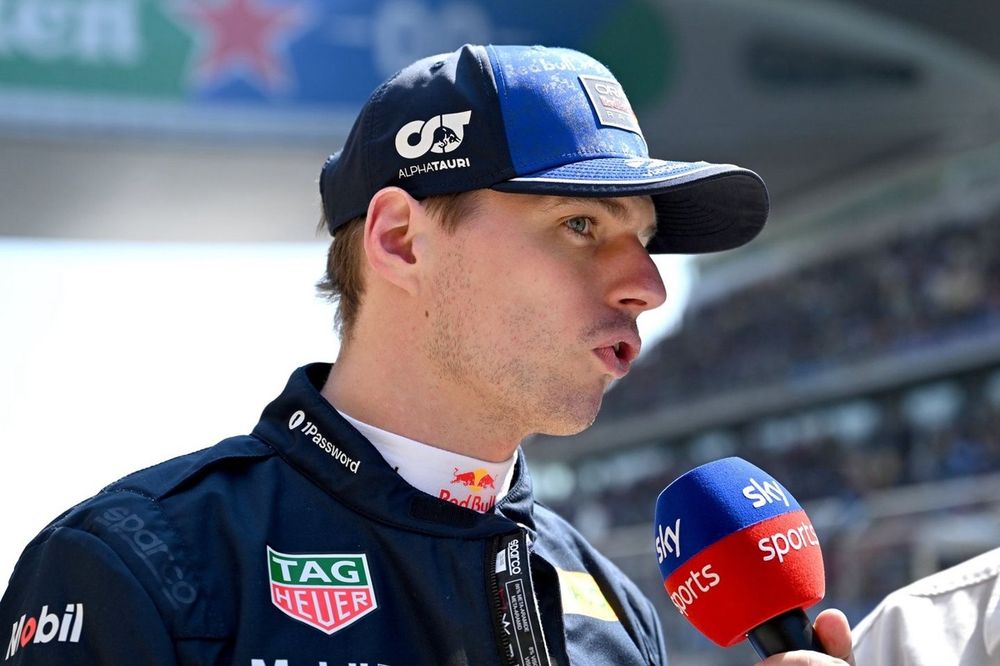
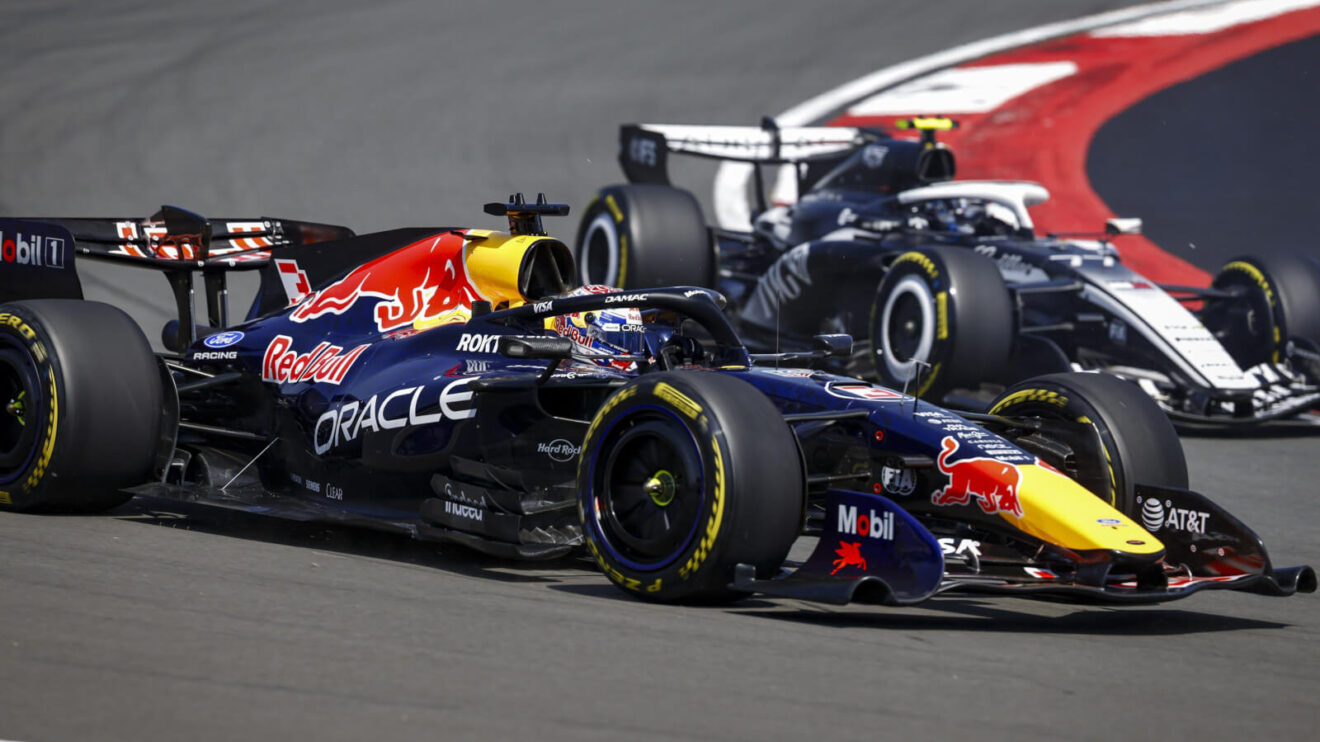
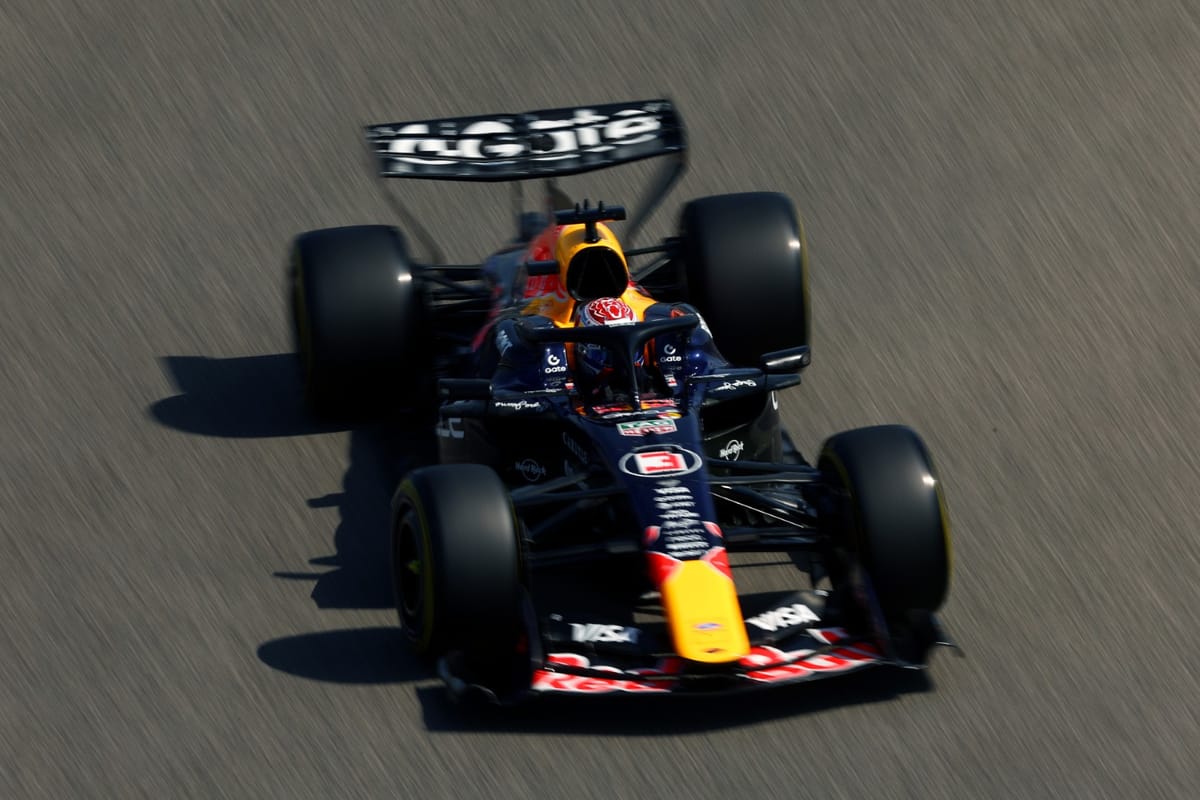
Max Verstappen's criticism of the 2026 F1 cars as "Formula E on steroids" has drawn a spectrum of reactions from the Formula E paddock, ranging from sympathy to a defense of their own championship's complexity. The comments highlight a growing convergence in energy management techniques between the two series, accelerated by F1's increased electrification.
Why it matters:
The debate underscores a fundamental shift in Formula 1's driving and engineering ethos. As F1 adopts more complex, energy-recuperating powertrains, it is entering a domain long mastered by Formula E, forcing a reevaluation of driver skill and potentially blurring the lines between the pinnacle of motorsport and its all-electric counterpart. This technological crossover is already triggering a talent migration from FE to F1.
The details:
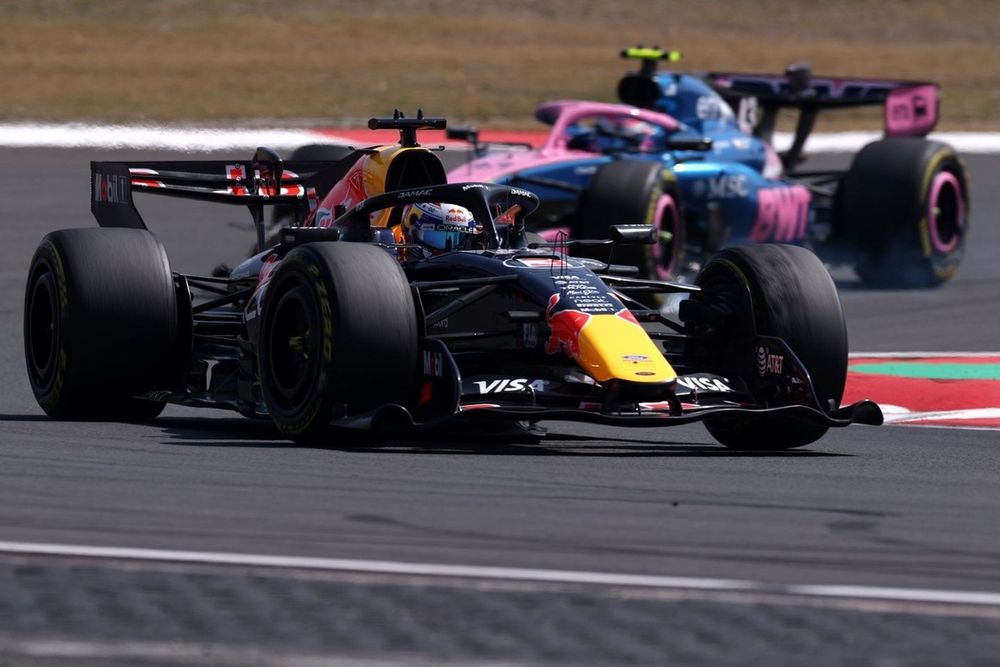
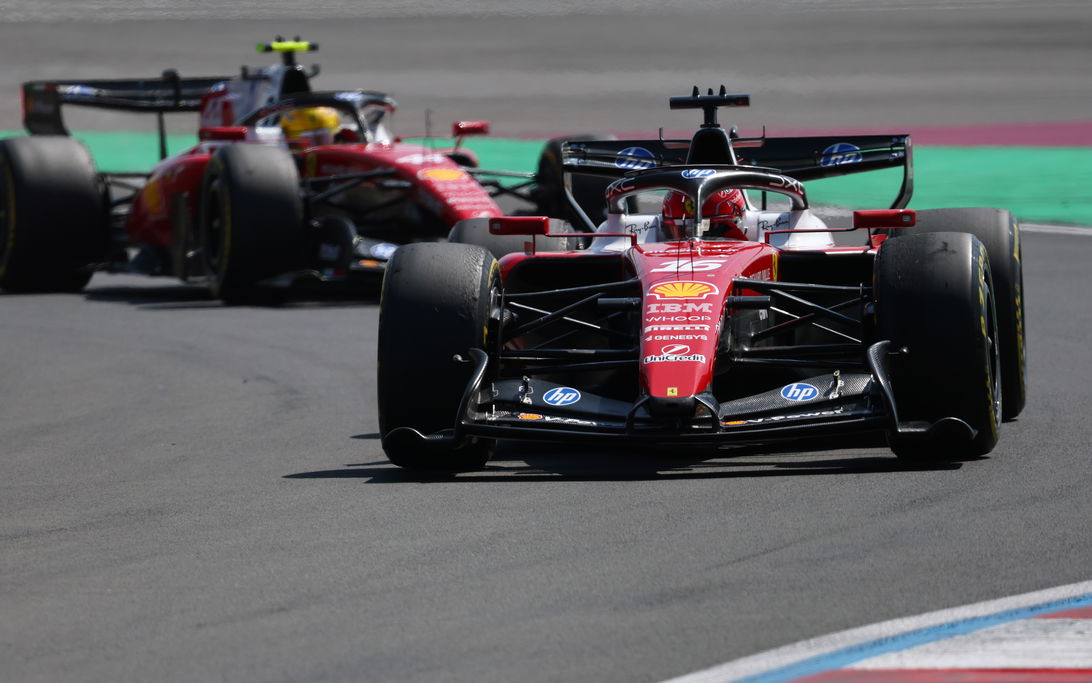
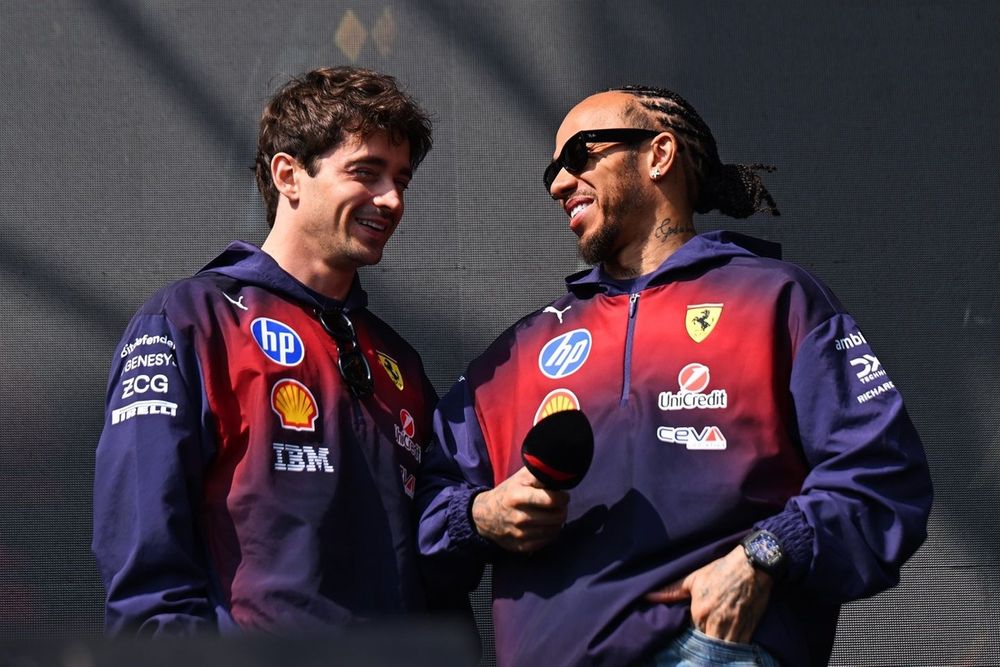
- Verstappen and Lewis Hamilton have been vocal about their frustration with the 2026 cars' required techniques, like extreme lift-and-coast and strategic gear shifts to recharge the battery, which now provides around half the car's power.
- This shift has made F1's energy deployment strategies closer than ever to Formula E's core discipline, leading F1 teams to aggressively recruit FE performance engineers for their expertise.
- Recent moves include engineers from McLaren FE joining Haas, Cadillac F1, and McLaren's F1 team, while Williams hired a former Jaguar and Nissan FE data science engineer.
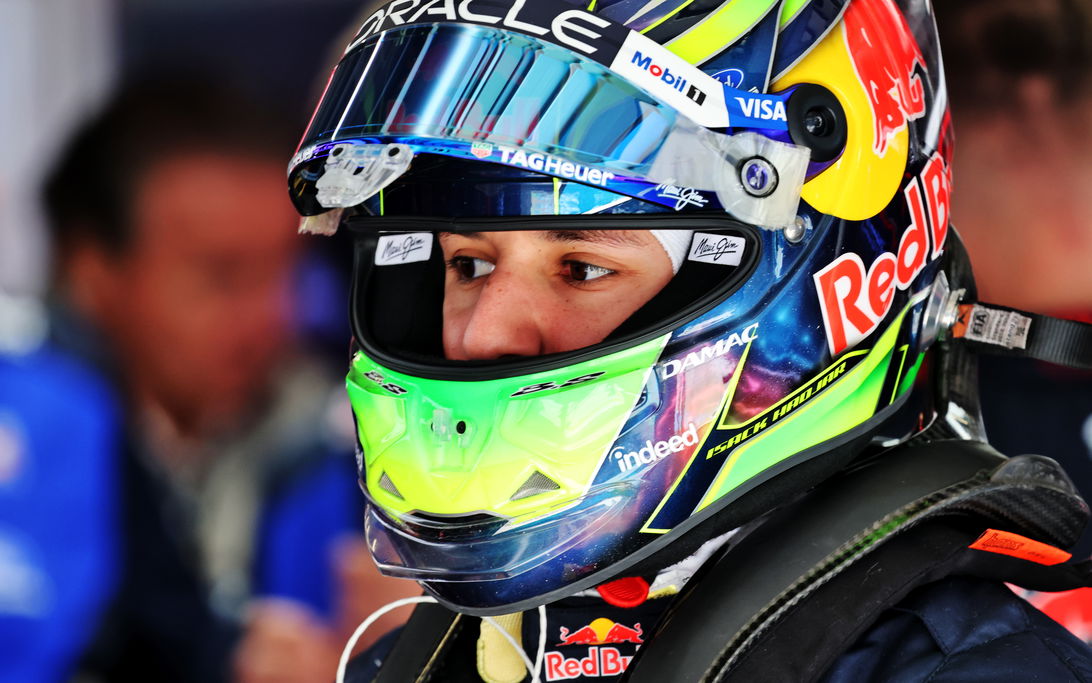
- Several current FE drivers, including Sebastien Buemi (Red Bull), Stoffel Vandoorne (Aston Martin), and Nyck de Vries (McLaren), are deeply involved in F1 simulator work due to their energy management prowess.
- Drivers note a key strategic difference: F1 manages energy on a per-lap allocation, while FE drivers strategize a total race energy, making FE a more long-form cerebral challenge.
- Stoffel Vandoorne believes top drivers like Verstappen will adapt but acknowledges the new complexity, stating F1 is becoming "more of a thinking series."
Between the lines:
The reactions reveal a nuanced pride within Formula E. While some, like Dan Ticktum, agree with Verstappen's purist view that F1 should be about raw spectacle and noise, others see the convergence as validation of their championship's advanced technical and strategic demands. FE world champion Nyck de Vries pointedly credited FE engineering teams for their high-level software and systems development, an area where F1 is now playing catch-up.
What's next:
The integration of Formula E's energy management philosophy into F1 is irreversible for the 2026 regulations. The coming years will test whether F1 drivers and teams can master this new layer of complexity without compromising the racing spectacle. Furthermore, Lucas di Grassi's provocative claim that future Gen4.5 and Gen5 Formula E cars will be "way faster than current F1 cars" sets the stage for a continued, and increasingly public, rivalry over technical and philosophical supremacy between the two championships.
Original Article :https://www.the-race.com/formula-1/max-verstappen-f1-2026-criticism-formula-e/