






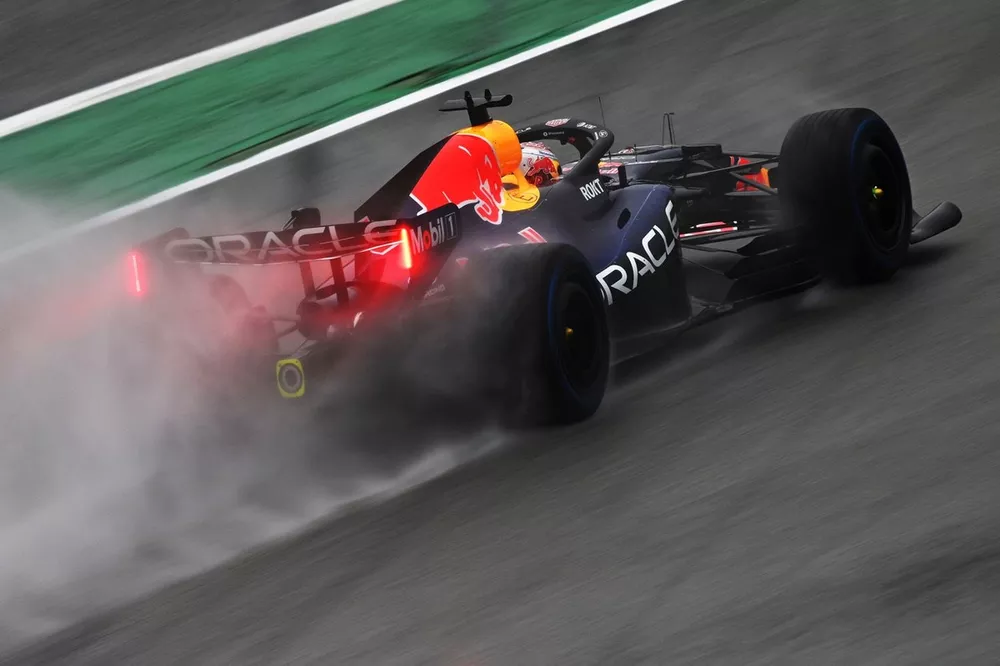
FIA tightens Miami Grand Prix power‑unit rules, bans boost in wet conditions
Summary
FIA caps electric boost at 150 kW in dry and bans it in low‑grip rain for Miami, while cutting down‑force to tame over‑steer. The tweaks boost safety and keep the pack tighter on a rain‑prone weekend.
FIA introduced rule tweaks for the Miami Grand Prix to curb electric‑boost and adjust aerodynamics, aiming for safer, tighter racing. The updates cap motor output at 150 kW in dry and ban boost in low‑grip rain, while narrower tyres and reduced downforce tame over‑steer.
Why it matters:
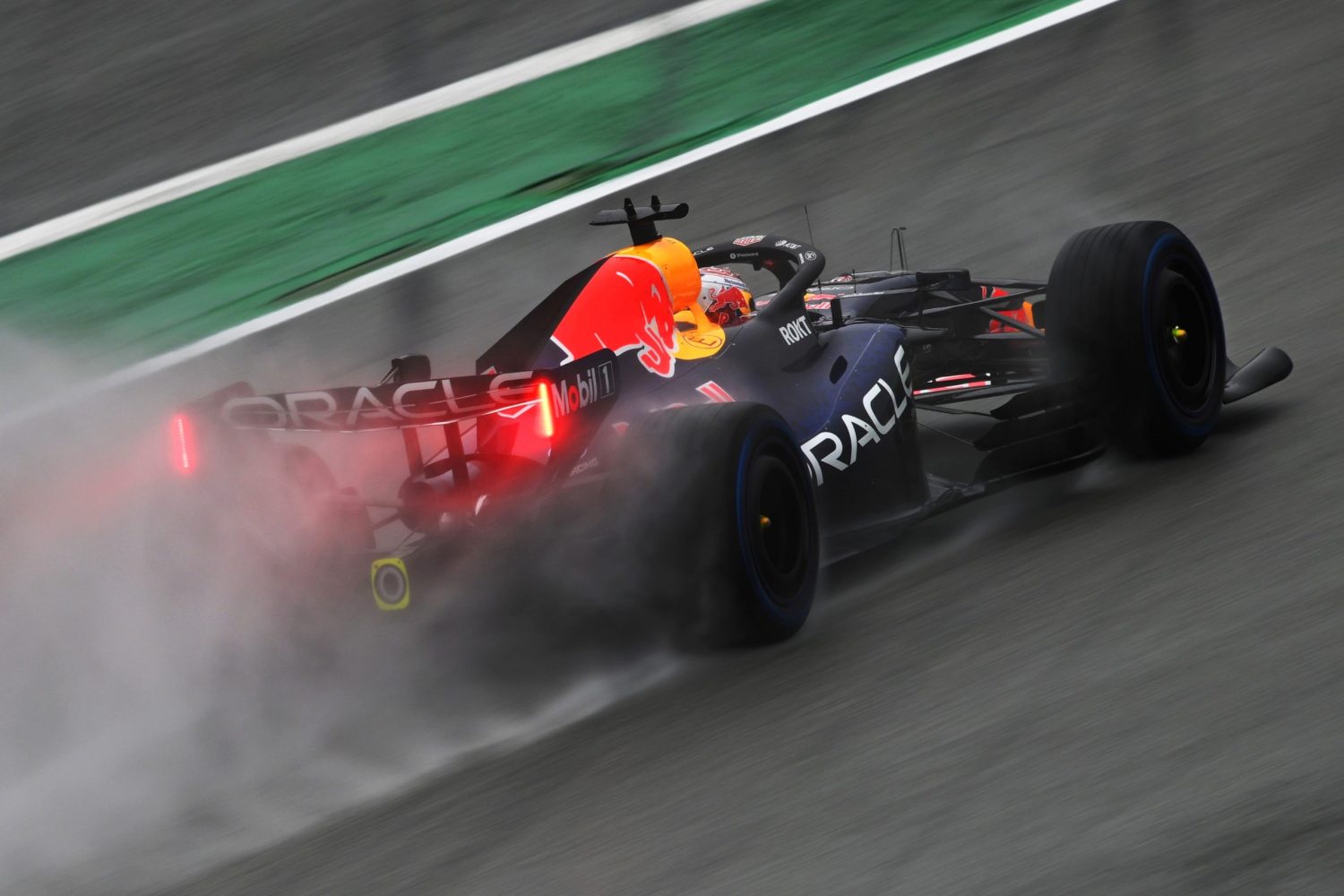
- Drivers say the 350 kW surge makes rear‑end control tricky on wet tracks.
- Unrestricted boost creates large speed gaps, increasing contact risk.
- Miami’s rain‑prone forecast makes the limits a safety move.
The details:
- Boost now tops out at 150 kW when the motor is below that; above 150 kW the unit stays at its current level.
- In low‑grip (rain) conditions boost mode is disabled (Article B7.2.1g), similar to the DRS wet‑race ban.
- Tires are narrower and downforce reduced, cutting grip and making the rear more nervous; front‑wing trim stays active in rain while the rear wing stays closed.
What's next:
- Teams will test the new maps in Miami practice, checking how reduced boost alters starts and early‑lap battles.
- If rain hits, the no‑boost rule should keep the pack tighter, reshaping overtaking and pit‑stop timing.
- FIA calls the tweaks an evolution of the 2026 package and will review their impact after the race.
Original Article :https://www.motorsport.com/f1/news/f1-too-much-power-in-the-rain-starting-with-m...