

FIA revises IndyCar superlicence points allocation for 2026
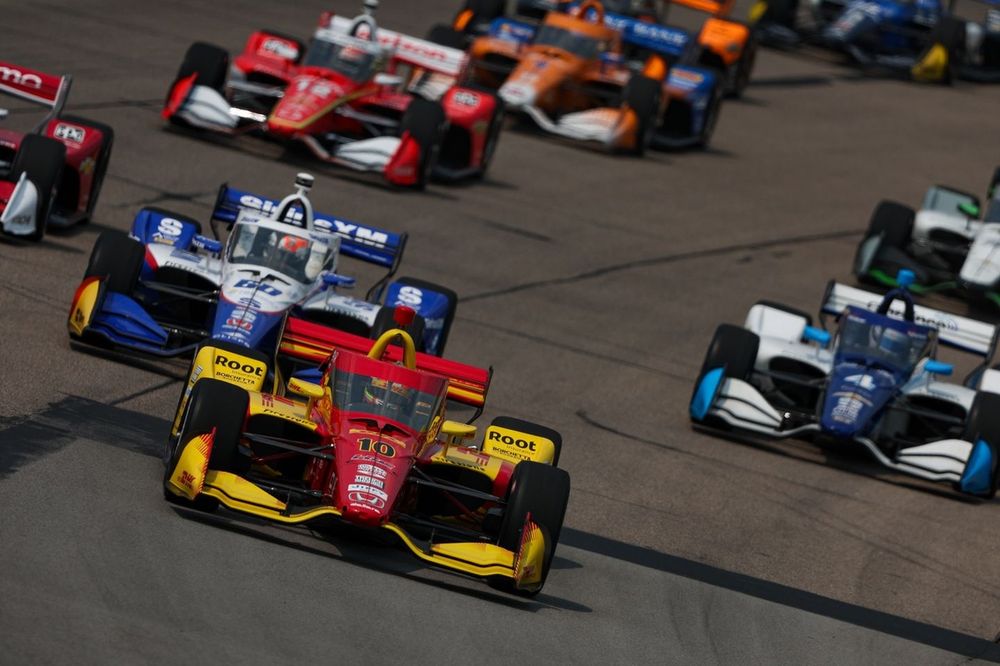
The FIA has updated its superlicence points allocation for the IndyCar Series, increasing the points awarded to more finishers in the championship standings starting from the 2026 season. This revision addresses long-standing criticism from the IndyCar paddock that its previous points structure was undervalued compared to other premier feeder series.
Why it matters:
The superlicence points system is the formal gateway for drivers to compete in Formula 1. A more generous allocation for IndyCar champions and top finishers formally recognizes the series' high level of competition and could, in theory, open a clearer path for its stars to transition to F1. This is a significant nod to IndyCar's prestige, even if its primary purpose isn't solely to feed drivers into the world championship.
The details:
The new allocation awards points to the top ten IndyCar championship finishers on a 40-30-25-20-15-10-8-6-3-1 basis. This replaces the previous, steeper drop-off system of 40-30-20-10-8-6-4-3-2-1.
- This change cements IndyCar's status as the second-highest points-awarding series behind Formula 2 and ahead of Formula 3 in the FIA's hierarchy.
- The most notable historical impact involves Colton Herta. His mooted move to AlphaTauri in 2023 was blocked because he held only 32 superlicence points. Under the new 2026 system, his finishes from 2019-2021 would have earned him 48 points, surpassing the 40-point eligibility threshold.
- Based on the last three seasons, the only drivers who would currently be eligible for a superlicence under the new points structure are Alex Palou (120 pts), Scott Dixon (56 pts), Pato O'Ward (48 pts), and Scott McLaughlin (41 pts).
Between the lines:
While the revision is a symbolic win for IndyCar, its practical effect on creating new F1 candidates appears limited in the short term. An analysis shows that if applied retroactively over the last three years, the new points would not have made any additional drivers beyond the existing four immediately eligible for a superlicence. Colton Herta, the closest case, would still have fallen one point short. This underscores that the superlicence barrier remains high and that consistent top-tier performance over multiple seasons is required, regardless of the points table.
What's next:
The new allocation will officially apply to points earned from the 2026 season onward. For drivers like Colton Herta, who is now pursuing an F1 seat via a 2026 Formula 2 campaign with Cadillac, the rule change comes too late. However, it sets a clearer benchmark for future IndyCar talents aiming for F1, formally acknowledging that success in the American championship carries substantial weight in the global motorsport ecosystem.
Original Article :https://www.motorsport.com/indycar/news/indycar-new-superlicence-points-allocati...