




FIA revises F1 driver guidelines for 2026, emphasizing flexibility after controversial penalties
The FIA has revised its Formula 1 driver guidelines for the 2026 season, shifting focus toward greater flexibility and the application of common sense in stewards' decisions, a move widely seen as a win for drivers. The update follows criticism that previous rules were applied too rigidly as gospel, rather than as a framework for fair judgment, with last year's controversial Brazilian Grand Prix penalty against Oscar Piastri serving as a key catalyst for change.
Why it matters:
This philosophical shift addresses long-standing driver complaints about inconsistent and overly technical penalties that sometimes contradict the reality of wheel-to-wheel racing. By empowering stewards to use more discretion, the FIA aims to reduce controversial rulings that have sparked confusion and frustration within the paddock, ultimately seeking to improve the clarity and perceived fairness of the sport's officiating.
The details:
The revised guidelines introduce several key clarifications and changes based on driver feedback and specific incidents from the 2025 season.
- Lock-ups Re-evaluated: A car locking its brakes will no longer automatically imply the driver lost control. The new guidelines acknowledge a lock-up can be caused by the "laws of physics" or an attempt to avoid a collision, removing what was a default assumption of guilt.
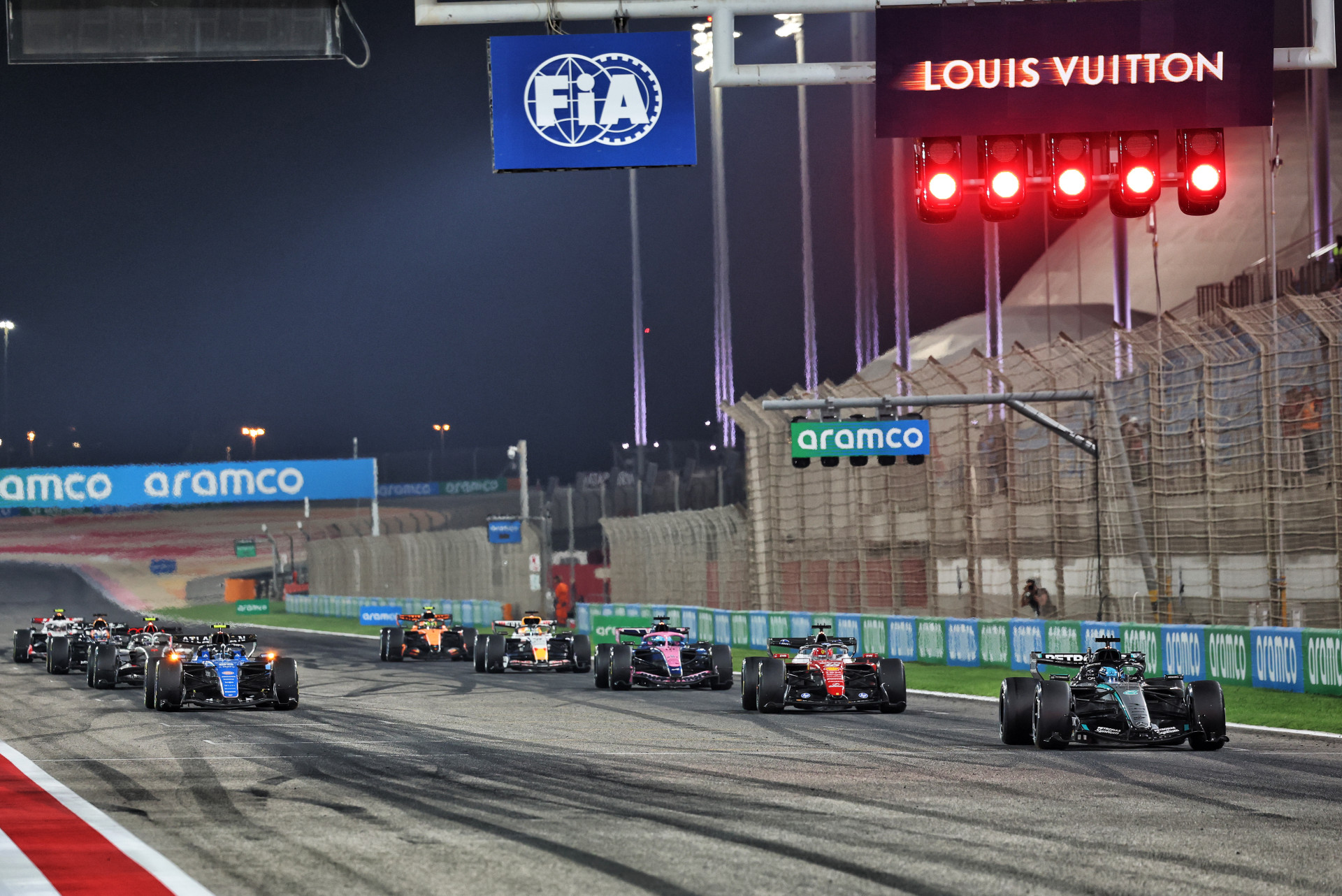
- The 'Right to Space' Clarified: Once a car has legitimately gained the right to a corner's racing line, the other driver cannot simply expect them to "disappear." Stewards will now consider the dynamic nature of an incident, including variable apexes depending on the corner.
- Stricter Rules on Track Limits While Defending: Defending drivers who force an attacking car off the track by leaving the track themselves will now be more heavily scrutinized. The guidelines state that if a defender leaves the track and rejoins in the same position, it is generally considered a lasting advantage, and the position should be conceded.
- Penalty Points Refined: Penalty points on a driver's super license will now be issued primarily for "dangerous, reckless or apparently deliberate actions resulting in a collision" or "other unacceptable or unsportsmanlike behaviour." This aims to reserve points for more serious infractions.
What's next:
The success of these changes will be measured by their application during the 2026 season. Drivers and teams will be watching closely to see if the promised flexibility leads to more consistent and widely accepted rulings. The revisions represent an ongoing effort to align the rulebook with the complex, split-second realities of modern Formula 1 racing, with the goal of letting drivers race harder while maintaining clear boundaries for safety and fairness.
Original Article :https://www.motorsport.com/f1/news/fia-reveals-tweaks-to-f1-2026-driver-guidelin...