


FIA reverses straight mode removal after team and driver backlash
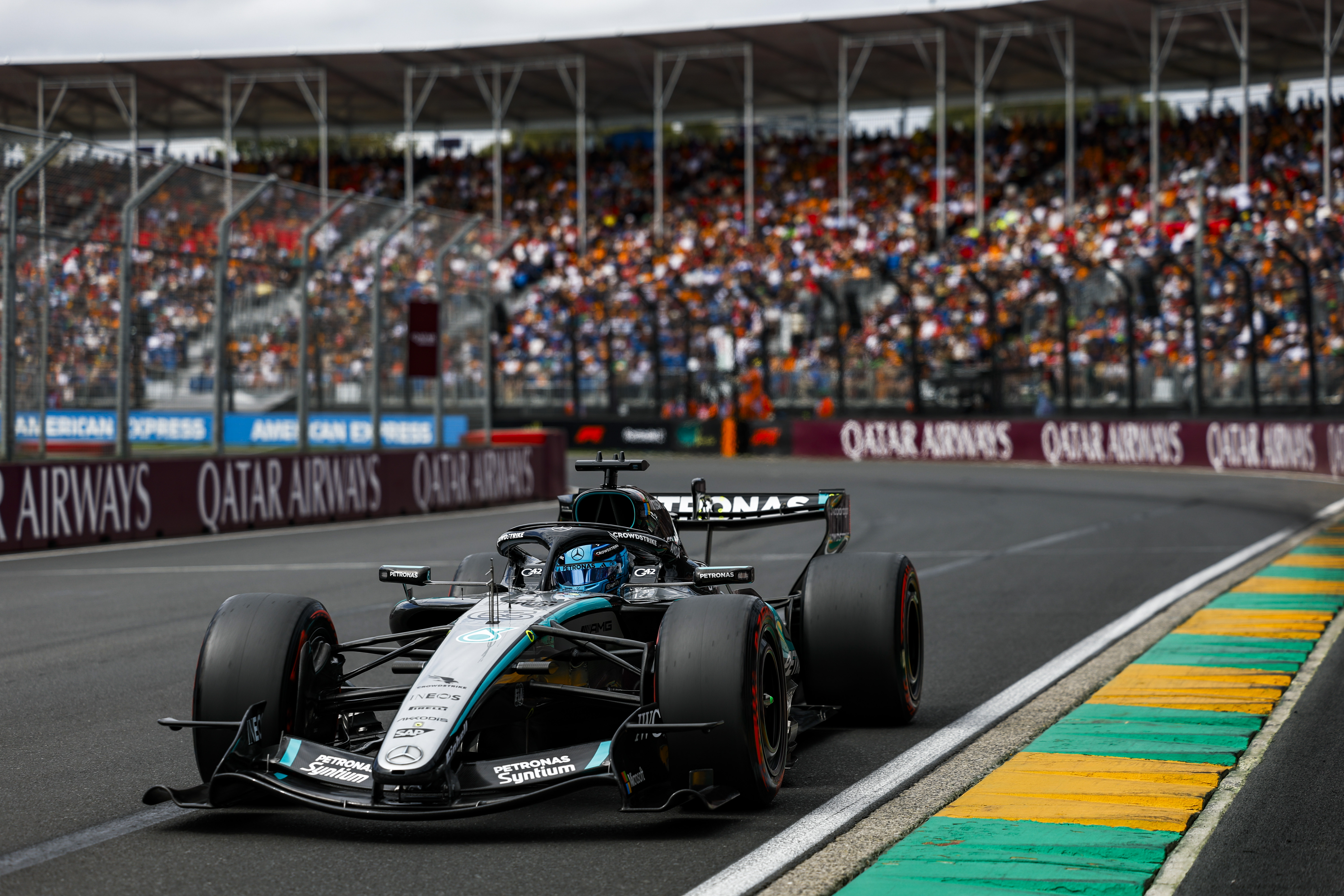
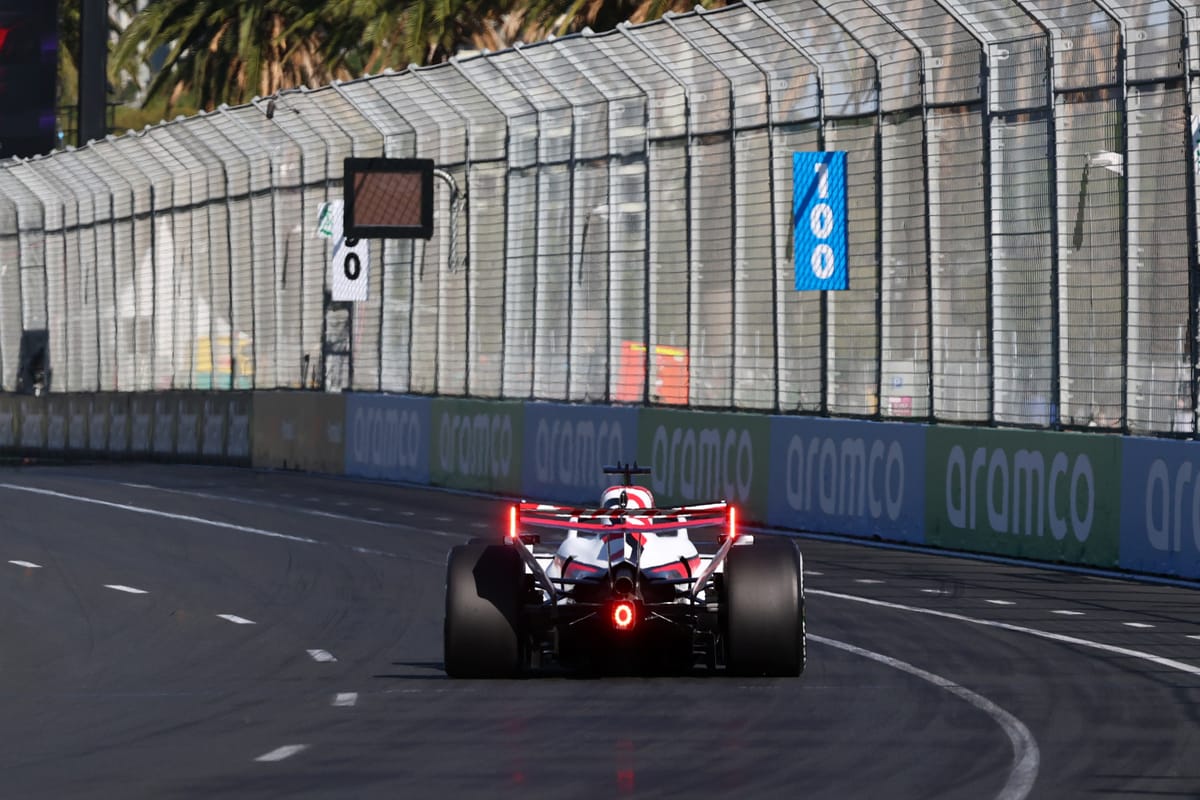
The FIA was forced into a last-minute reversal on its plan to remove an active aerodynamics zone at the Australian Grand Prix following unified opposition from teams and drivers. The governing body's initial decision, made on safety grounds just hours before final practice, would have forced teams into drastic, last-minute setup changes and threatened to ruin the racing spectacle.
Why it matters:
This incident highlights the delicate balance between safety and competition in Formula 1's new active aero era. A unilateral regulatory change with major technical consequences, imposed with minimal notice, risks undermining the sporting integrity and preparation of the teams. The swift, collective pushback from the grid also demonstrates a rare moment of unity when faced with a decision perceived as impractical and overly reactive.
The details:
- The FIA notified teams on Saturday morning it was removing 'straight mode' activation for the long run to Turn 9, responding to driver safety concerns raised in a Friday briefing.
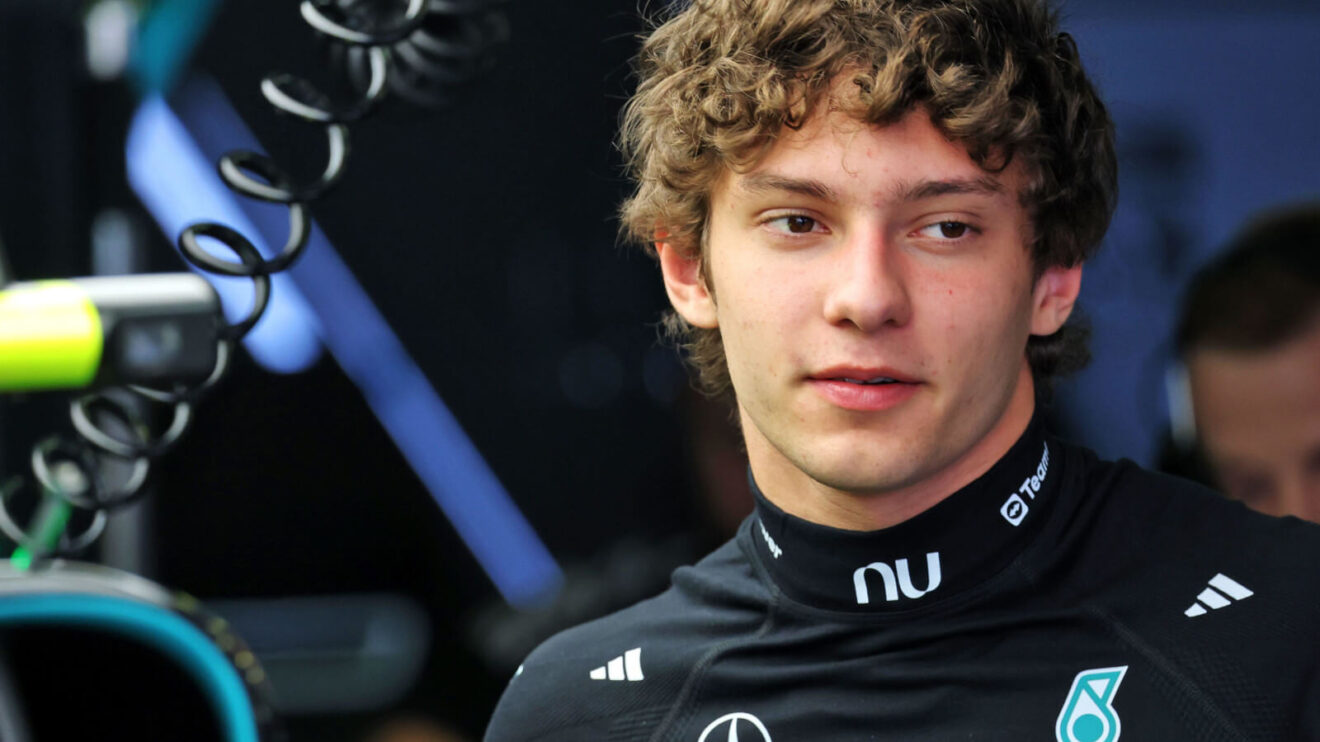
- The initial complaint is understood to have come from Sauber rookie Gabriel Bortoleto, who was backed by a minority of other drivers, though not all expressed major fear.
- Teams were furious, labeling the move "nonsense," as it would have invalidated their entire weekend setup and simulation work.
- Technical Chaos: Removing the low-drag straight mode for that section would have required teams to completely reconfigure their cars in the final practice hour.
- Key changes would have included ride heights, suspension, tyre pressures, and energy management strategies to cope with permanently high drag.
- Spectacle at Risk: Simulations suggested the change would have crippled top speeds, with one source indicating 2026 cars could have been 50 km/h slower than F3 cars at the corner entry, destroying overtaking potential.
- FIA Single-Seater Technical Director Nikolas Tombazis revealed the issue affected about seven of the eleven teams, whose front downforce levels in the zone were lower and "unsafer" than anticipated.
What's next:
The zone was reinstated less than an hour before FP3, with the FIA stating "further evaluation" would occur after the session. The episode serves as a case study in the complexities of policing active aero. While the FIA's safety mandate is paramount, future interventions will likely require more collaborative dialogue and advanced notice to avoid similar paddock revolts, especially when fixes—like asking specific teams to adjust their wing settings—were deemed more feasible than a blanket ban.
Original Article :https://www.the-race.com/formula-1/f1-team-driver-revolt-straight-mode-u-turn-au...
