





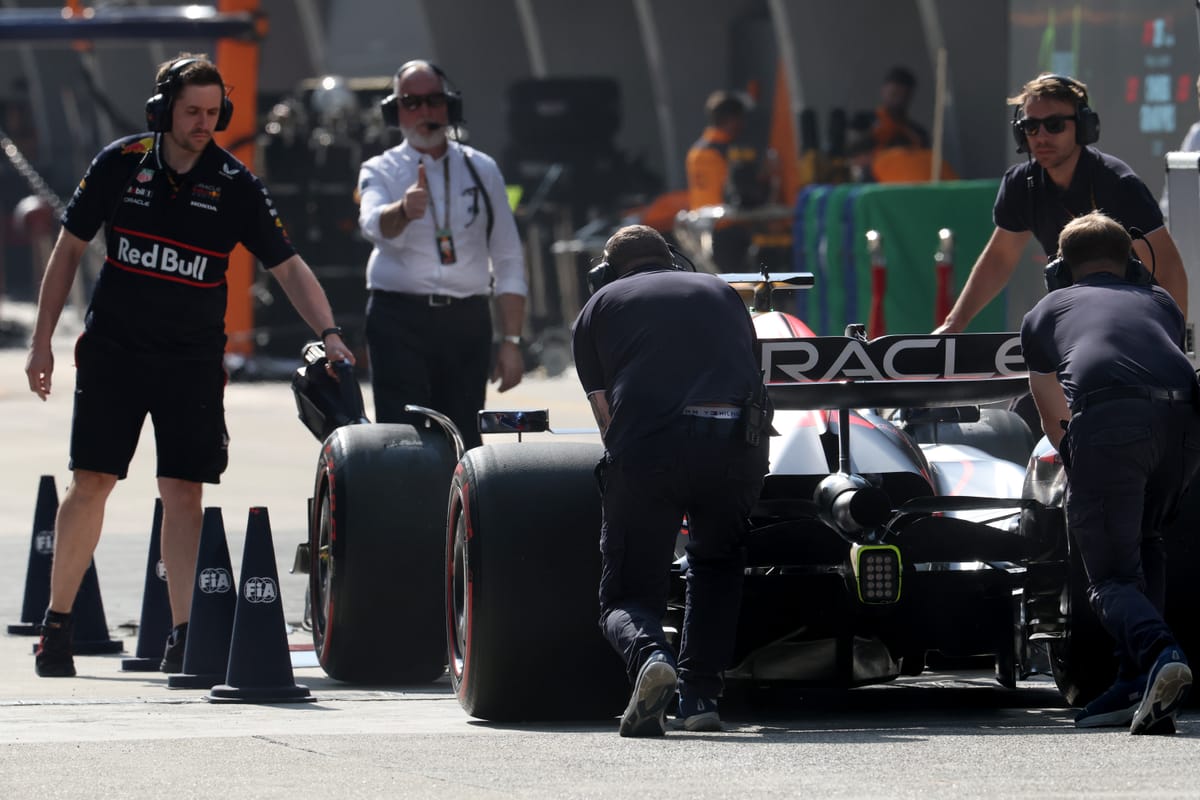
FIA Restricts Scale Access, Giving F1 Teams New Weight Rule Challenge
Formula 1 teams are facing a new hurdle in meeting the minimum weight limit, as the FIA has stopped allowing them to use its official scales at the pitlane entrance. This change, implemented starting with the Singapore Grand Prix, means teams can no longer verify their car's weight against the FIA's calibrated equipment, potentially leading to increased margins and strategic adjustments.
Why it matters:
F1 regulations are strict, and being underweight carries severe penalties, including disqualification. This procedural shift puts the onus entirely on teams to ensure their own scales are perfectly aligned with the FIA's, adding a layer of complexity and risk to a fundamental aspect of car setup and compliance.
The details:
- Previous practice: Up until the Singapore Grand Prix, teams could use the FIA's scales at the pitlane entrance to cross-reference their own measurements.
- Reason for change: The FIA aims to reduce pitlane congestion, which frequently saw teams queuing to weigh their cars.
- New procedure: F1 Race Director Rui Marques informed teams in event notes that "The FIA scales will not be made available for teams to use from this event onwards."
- Support for teams: While direct access is denied, teams will still be provided with weights that have been verified on the FIA's official scales. This allows them to calibrate their garage equipment against an official standard.
- Team reactions:
- Alpine Racing Director Dave Greenwood indicated that teams will likely build in larger margins, as "the only weight that matters is what it weighs on their scales."
- Haas Chief Race Engineer Francesco Nenci echoed this, suggesting that the margin for error might need to "go up a bit" due to the potential for calibration differences between team and FIA scales.
- Red Bull Chief Engineer Paul Monaghan, however, downplayed the impact for his team, stating, "Each team will approach its minimum weight differently." He emphasized that teams must set their own margins based on their consumption estimates and accept the consequences if incorrect.
The big picture:
Minimum weight compliance is a non-negotiable aspect of F1, with past incidents showing the high stakes involved. Charles Leclerc and Pierre Gasly were disqualified from the Chinese Grand Prix this year for weight breaches, and George Russell lost a victory in Belgium last season for the same reason. This change underscores the FIA's ongoing efforts to streamline race weekend operations while maintaining strict regulatory oversight, pushing teams to greater self-reliance and precision in their internal processes.
What's next:
Teams will now need to meticulously refine their internal weighing processes and scale calibration procedures. The absence of direct FIA scale access means that any discrepancy between team measurements and official checks will fall squarely on the team's shoulders. This could lead to a more conservative approach to car weight, with teams potentially running slightly heavier to avoid any risk of being underweight. It will be a test of each team's engineering accuracy and their confidence in their own equipment.
Original Article :https://www.the-race.com/formula-1/fia-change-gives-f1-teams-new-weight-rule-hea...
