





FIA Explains Late VSC Deployment at Mexico City GP
The FIA has clarified its decision to deploy a Virtual Safety Car (VSC) in the closing laps of the Mexico City Grand Prix, a move that drew criticism for its impact on on-track battles. The governing body emphasized that neutralizing the race is standard protocol whenever marshals are required to recover a car.
Why it matters:
The late VSC, triggered by Carlos Sainz's retirement, effectively neutralized key battles for podium positions and other points-scoring places, leading to an anti-climactic finish for some fans and drivers. Understanding the FIA's reasoning is crucial for assessing race management protocols and their impact on competitive racing.
The details:
- Incident Trigger: On Lap 70, Carlos Sainz spun and stopped in an exposed run-off area at Turn 14. His car then began smoking, with race control receiving fire notifications, necessitating marshal intervention.
- Standard Procedure: The FIA stated: "As is standard procedure when marshals are deployed to recover a car, the race is neutralized, in this case, a Virtual Safety Car (VSC) was triggered until the car was moved to a safe location behind the barriers."
- VSC Duration: The VSC was lifted once Sainz's car was in a protected position, allowing the race to conclude under green-flag conditions for the final lap.
- Impact on Racing: The VSC deployment hindered close fights, including the battle for P2 between Charles Leclerc and Max Verstappen, and the fight for P4 between Ollie Bearman and Oscar Piastri, by freezing the gaps between cars.
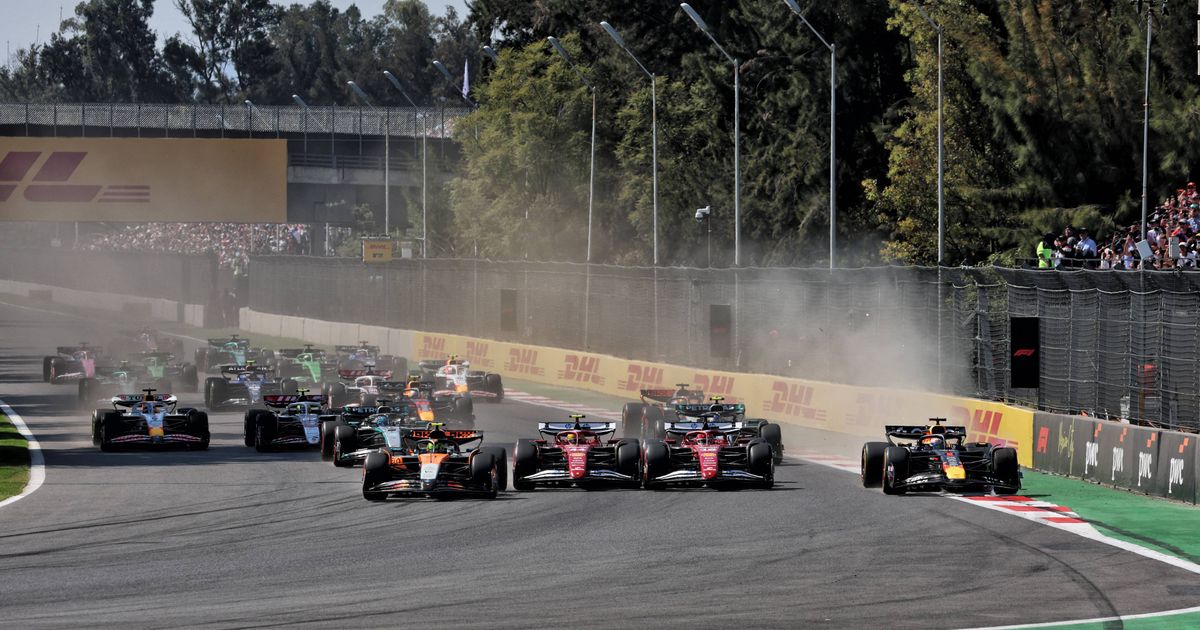
- Turn 1 Debris Incident: The FIA also briefly addressed an earlier Turn 1 incident involving debris on Lap 3. Marshals were initially put on standby but later withdrawn when it became apparent that Lawson had pitted, with a double yellow flag shown instead. The FIA indicated they are still investigating what occurred after that point.
The big picture:
The FIA's strict adherence to safety protocols, especially regarding marshal deployment, is a non-negotiable aspect of Formula 1. While a late VSC can disrupt thrilling racing, the priority is always the safety of trackside personnel and drivers. This incident highlights the ongoing challenge of balancing competitive integrity with paramount safety concerns, particularly in the closing stages of a race.
What's next:
The FIA's statement serves to justify their actions in Mexico. Discussions around such race-ending neutralizations often lead to reviews of procedures, but a fundamental change to marshal safety protocols is unlikely. Teams and drivers will continue to adapt their strategies, knowing that safety interventions can dramatically alter race outcomes.
Original Article :https://www.gpblog.com/en/breaking-news/fia-release-statement-after-late-vsc-at-...
