
FIA considered mid-cycle F1 rule changes to curb dirty air, but lacked team support
The FIA considered amending Formula 1's ground-effect regulations during the 2022-2025 cycle to address a resurgence of 'dirty air' but was unable to secure the necessary support from teams, according to the governing body's single-seater director. Nikolas Tombazis gave the technical regulations a modest grade of 'B or C,' acknowledging they succeeded in some areas but fell short of their core racing objective.
Why it matters:
The admission reveals a structural tension in modern F1 governance. While the FIA identified specific aerodynamic exploits that worsened overtaking conditions after 2022, its ability to enact mid-cycle corrections is hamstrung by a requirement for broad team consensus. This highlights the challenge of maintaining the 'closer racing' promise of the 2022 rules as teams naturally innovate toward performance, often at the expense of the stated regulatory intent.
The details:
- Nikolas Tombazis stated the 2022 regulations achieved their financial sustainability goals but were only partially successful in improving the racing spectacle.
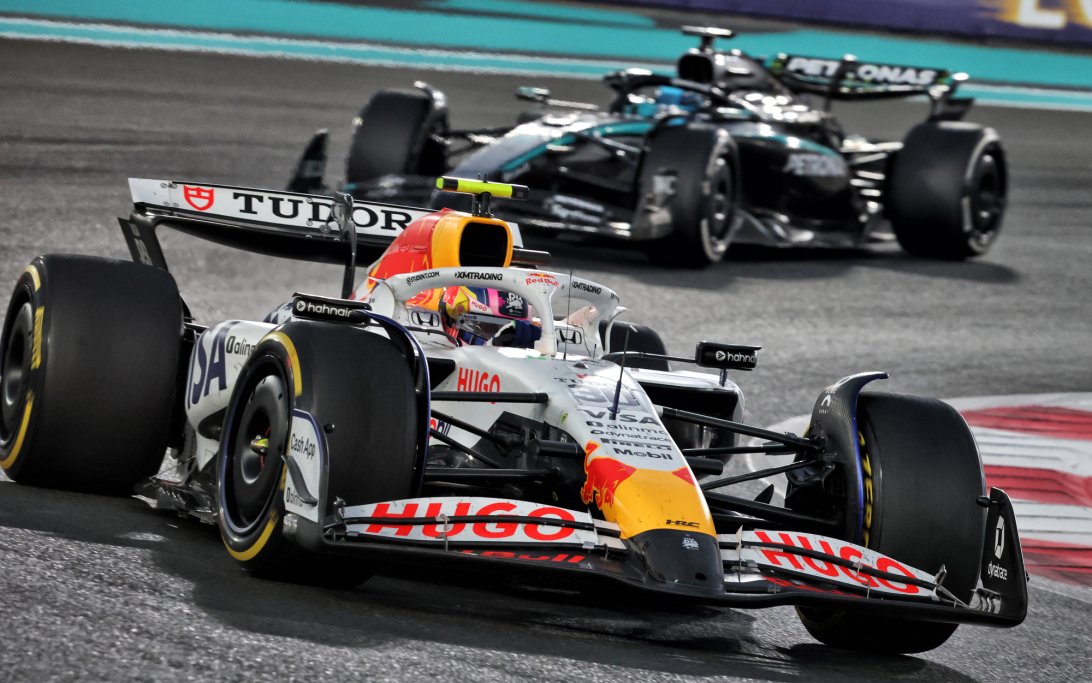
- He pinpointed three key regulatory areas teams exploited to generate 'outwash'—aerodynamic airflow pushed outward around the tires, creating turbulent 'dirty air' for following cars:
- Front wing endplates: Designed to create 'inwash,' they became overly permissive, allowing outwashing profiles.
- Front wheel drum design: The furniture on the inside of the front wheels was heavily exploited.
- Floor edges: The regulations here were also not tight enough.
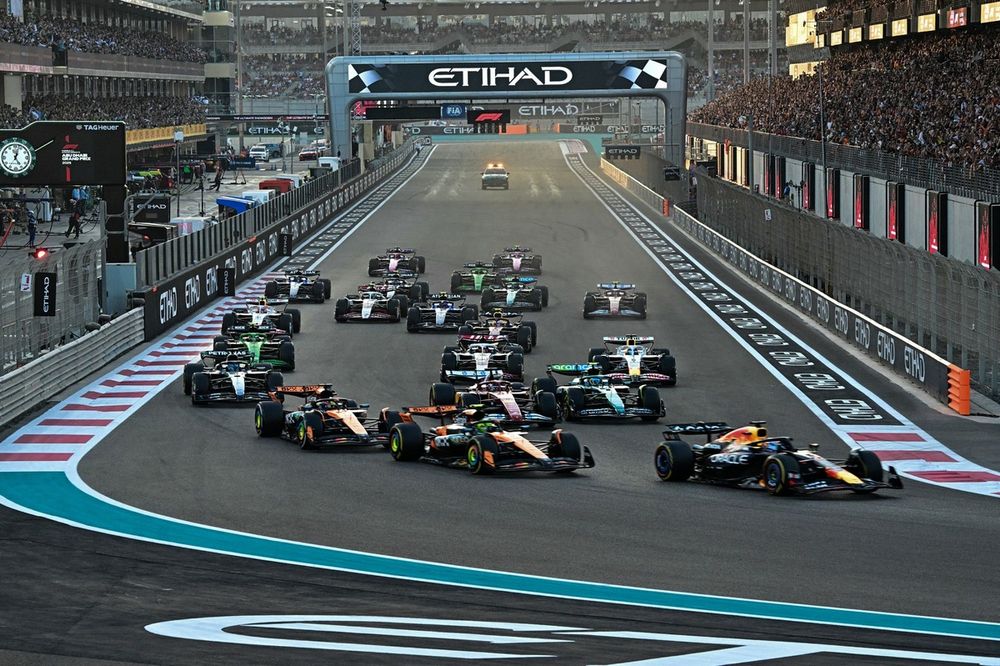
- These developments made following other cars more difficult in 2023 and 2024 compared to the initial 2022 season.
Between the lines:
The FIA's hands were tied by governance protocols. Tombazis confirmed the body tried to initiate changes but "didn't have enough support among the teams." Changing rules within a regulatory cycle requires a supermajority vote (likely at least eight teams), creating a high bar for action. This system prevents unilateral changes by the FIA but can also slow responses to emerging problems that negatively impact the show, as teams with competitive advantages are reluctant to agree to changes.
What's next:
Attention now turns fully to the 2026 regulations. Tombazis expressed confidence that dirty air will be "a less significant factor" under the new rules, where curbing outwash has again been a primary focus. The true test will come on track, with the hope that the lessons learned from the 2022-2025 cycle lead to a more durable and effective set of rules for the next era.
Original Article :https://www.motorsport.com/f1/news/fia-f1-rule-change-lacked-support/10784654/