






FIA bans Mercedes and Red Bull's qualifying power tactic
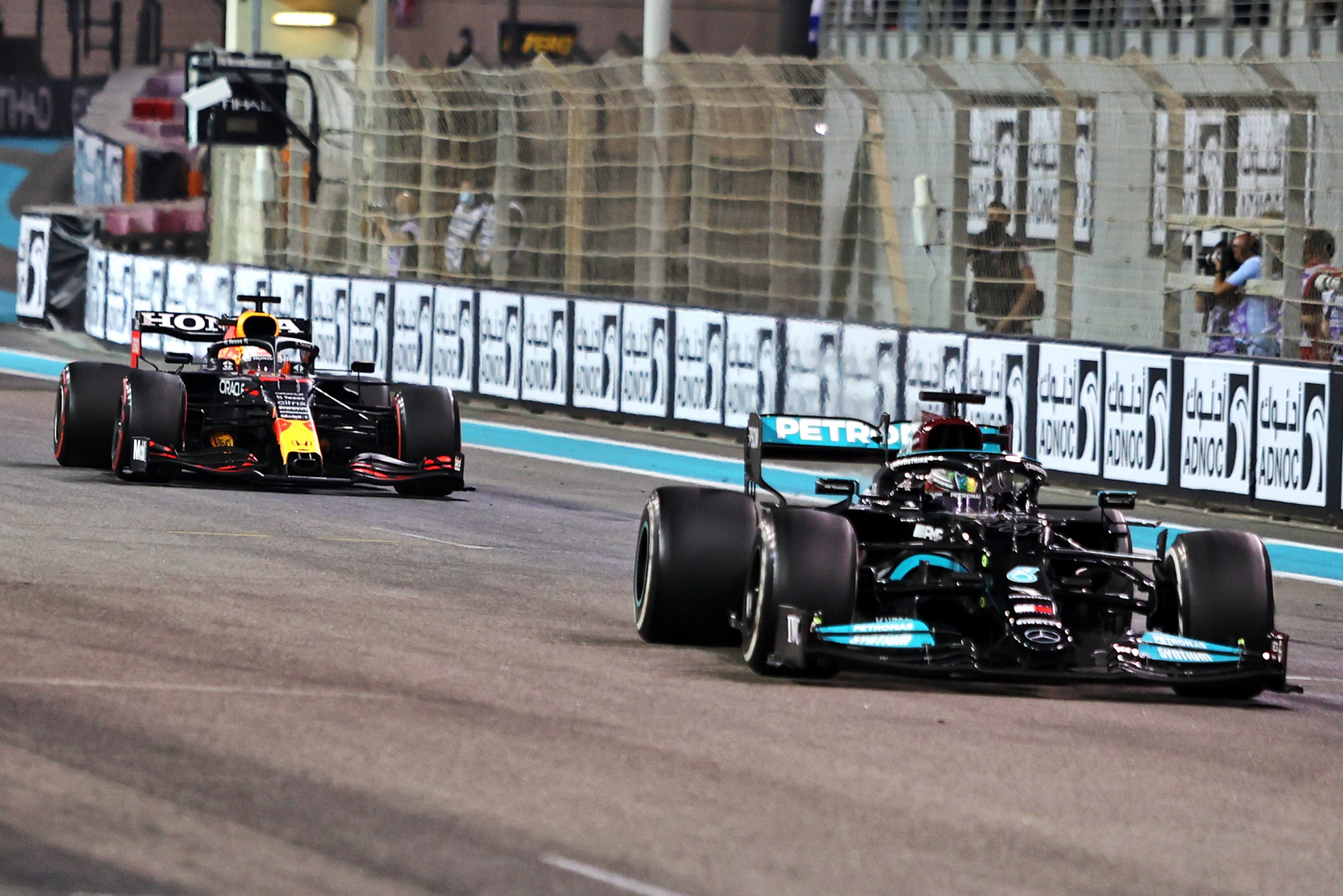
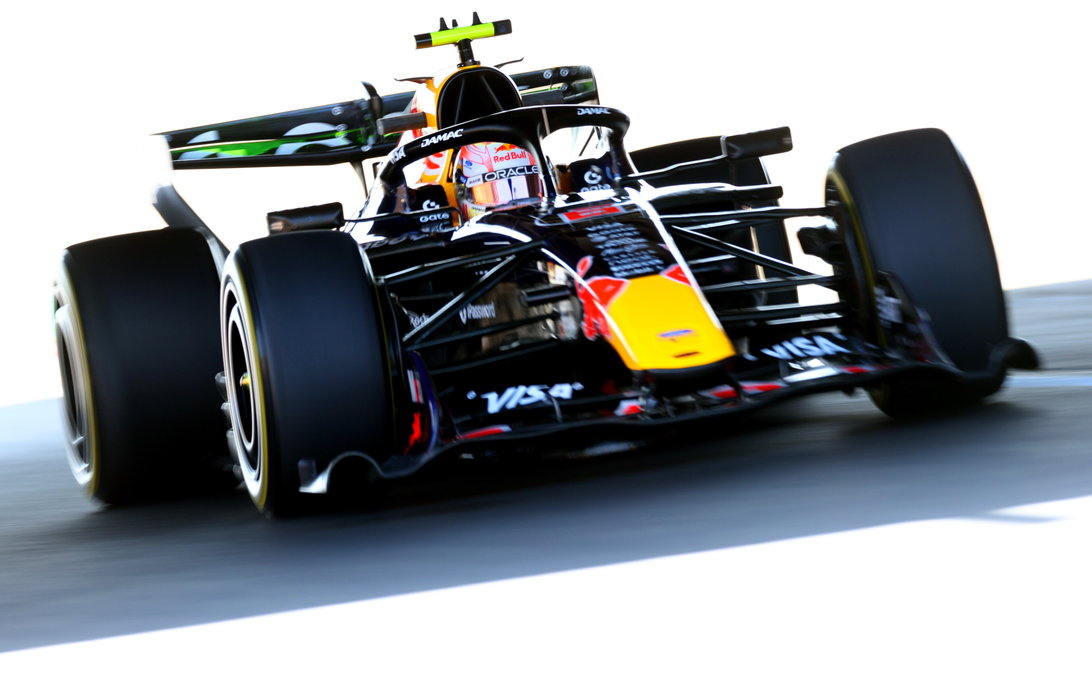
The FIA has moved to close a technical loophole exploited by Mercedes and Red Bull, banning a specific procedure that allowed them to use maximum electrical power from the MGU-K on the final straight during qualifying laps. The tactic, which involved triggering an emergency shutdown mode for the hybrid system, was deemed to violate the spirit of the regulations despite adhering to their strict letter. The governing body acted on safety grounds after Ferrari raised concerns about the significant speed differentials it created on track.
Why it matters:
This intervention highlights the continuous cat-and-mouse game between F1 teams and regulators in the hyper-competitive development war. Closing this loophole preserves the intended performance balance dictated by the energy deployment rules and addresses a genuine safety concern. It also underscores how marginal gains, measured in mere hundredths of a second, are fiercely contested in qualifying, where grid position is paramount.
The details:
- The technical regulations require that electrical energy deployment on straights must be reduced linearly by 50 kW per second.
- Mercedes and Red Bull exploited a clause allowing a full MGU-K shutdown in case of a failure, using this "emergency" mode to bypass the linear reduction and have full power until the finish line.
- A safeguard existed: once triggered, the MGU-K could not be reactivated for 60 seconds. This deterred use during races but was irrelevant in qualifying, as the penalty period occurred on the slow return lap to the pits.
- Ferrari flagged the tactic to the FIA, noting it created dangerous speed differences between cars on hot laps and those on out-laps preparing their tyres.
- The FIA's decision was reinforced by a safety incident involving Oliver Bearman and Franco Colapinto, demonstrating the real-world risk of such speed disparities.
The big picture:
This episode is a microcosm of the 2024 season's central theme: the ultra-optimization of energy management. Every team is refining complex algorithms that control the Power Unit's electrical energy, seeking any permissible advantage. The ban reinforces that the FIA will act to maintain both sporting integrity and safety, even against clever interpretations of the rules. Meanwhile, teams like Ferrari are bolstering their technical departments—having recently hired a specialist from Nissan's Formula E team—to better navigate this complex software and energy management battleground as they prepare for future upgrades.
Original Article :https://racingnews365.com/why-the-fia-banned-latest-mercedes-and-red-bull-f1-loo...