




Ferrari's Unconventional 2006 Test: Running a V8 in a Two-Year-Old Chassis
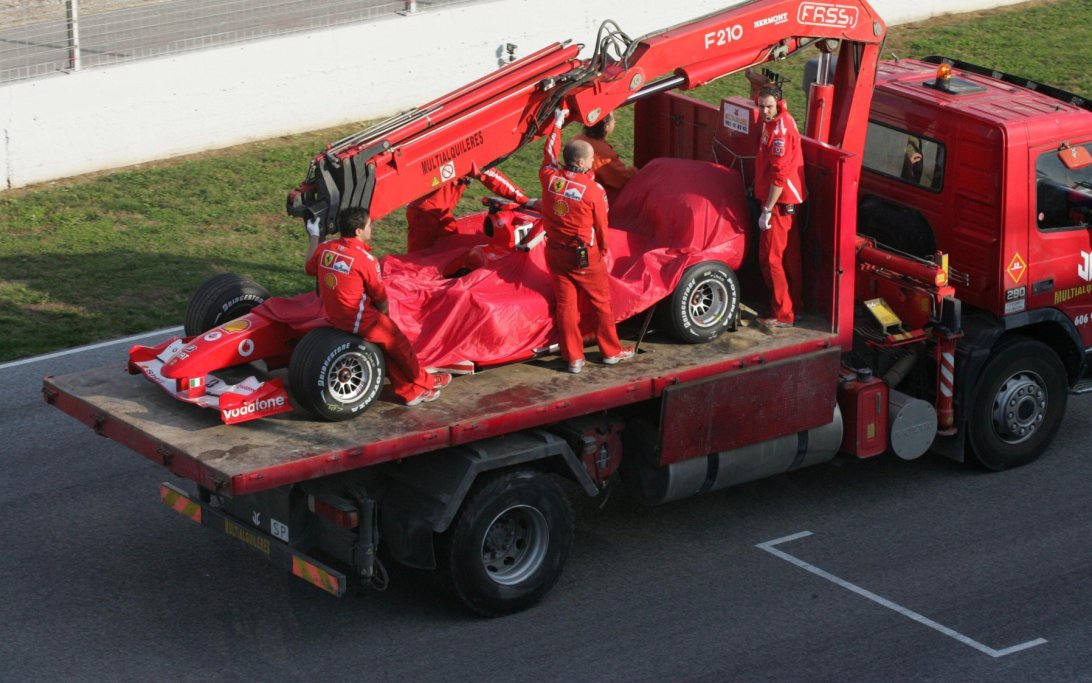
Ahead of the 2006 season, a massive regulation shift from V10 to V8 engines, Ferrari took an unusual approach to winter testing. Instead of debuting its new 248 F1 car, the team fitted its new V8 power unit into the two-year-old 2004 chassis. This unconventional move was a direct response to the technical challenges posed by the new rules, which saw teams across the grid struggle with integration.
Why it matters:
The 2006 season marked one of F1's most significant technical overhauls, and Ferrari's decision provides a fascinating look into the high-stakes world of F1 development under pressure. It demonstrates how even top teams had to find creative solutions to adapt, and it serves as a historical parallel for the integration challenges teams will face with the upcoming 2026 regulation changes.
The details:
- Ferrari's new V8 engine had already completed extensive dyno testing by late 2005, allowing them to focus on early on-track data gathering.
- The team chose the 2004 chassis because their new 248 car was not yet ready to run, showcasing a pragmatic approach to maximizing track time.
- McLaren faced a different problem, unable to fit the V8 into an old chassis and instead testing with a detuned V10 engine to simulate the new power unit's characteristics.
- Red Bull's new RB2 suffered from major cooling issues, forcing the team to run with large, unsightly holes cut into the bodywork to manage temperatures.
- Interestingly, Toro Rosso—Red Bull's junior team—received special dispensation to continue using more powerful V10 engines for the entire 2006 season.
The big picture:
Ferrari's 2006 test is a powerful reminder that major regulation changes inevitably lead to widespread technical headaches and unconventional solutions across the grid. From engine integration woes to cooling nightmares, these growing pains are a natural part of F1's evolution. As the sport gears up for another massive overhaul in 2026, the struggles from two decades ago offer a clear precedent: even the best-prepared teams will face unexpected challenges on the road to adaptation.
Original Article :https://racingnews365.com/when-ferrari-ran-a-two-year-old-car-at-pre-season-test...