



Ferrari's qualifying compromise exposed by engine issue
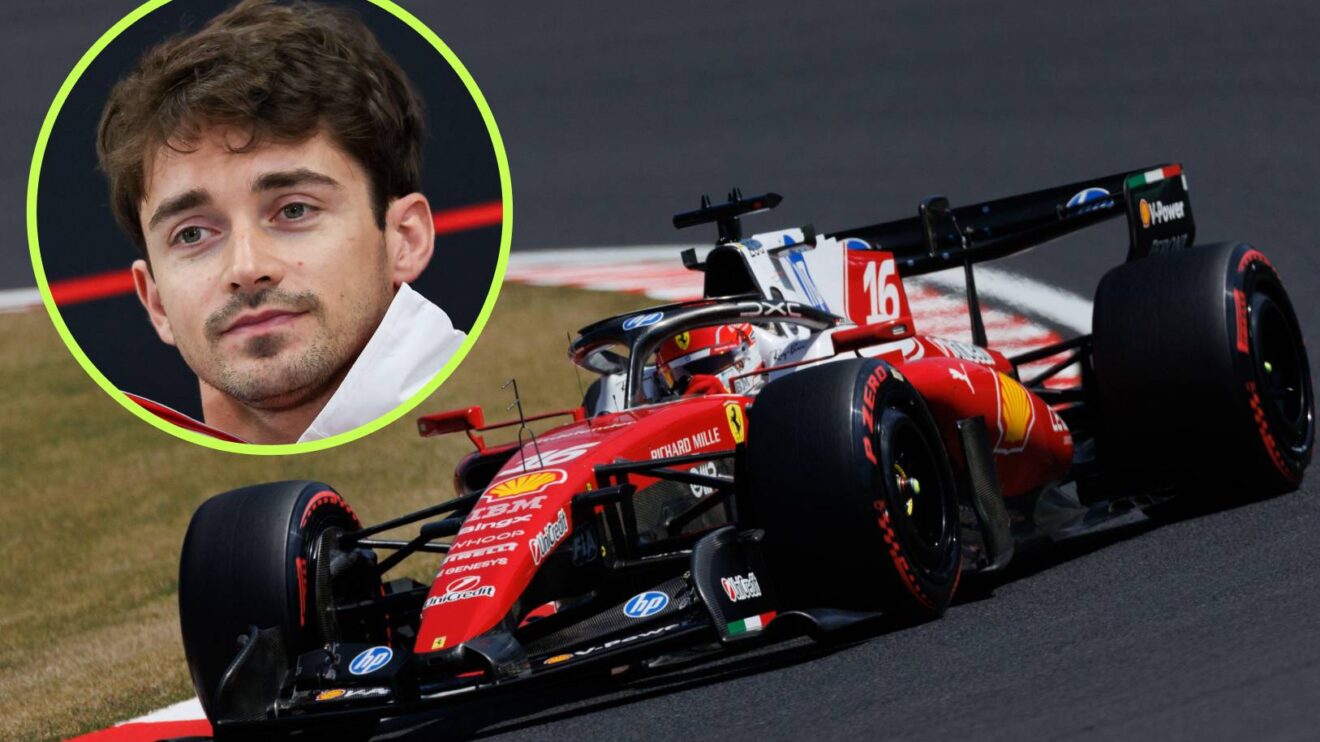
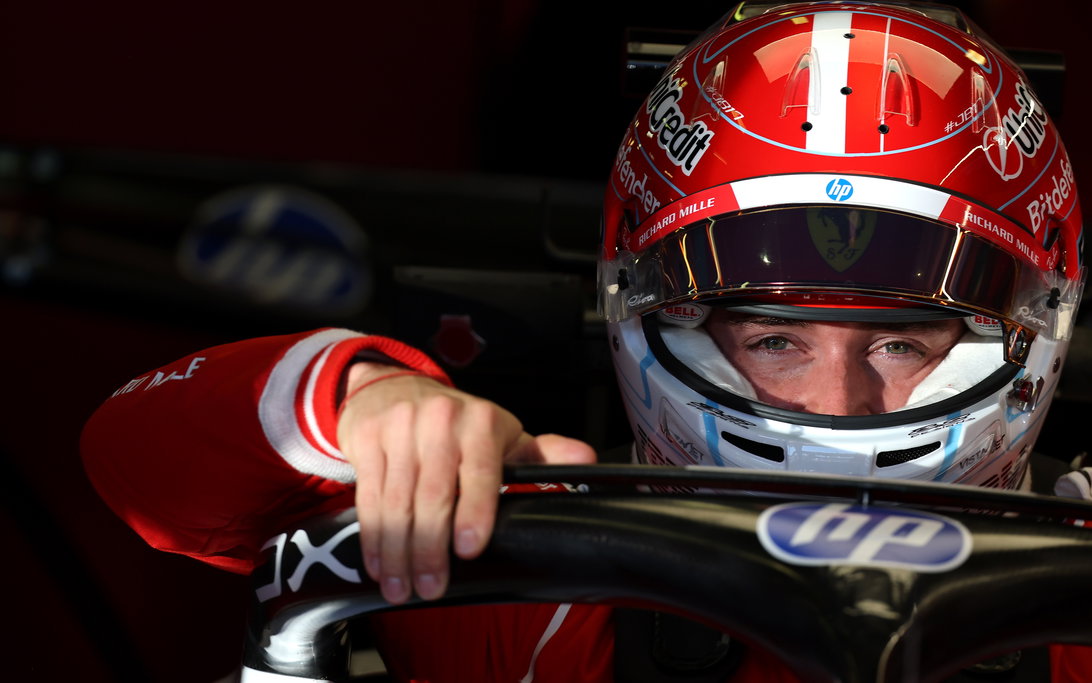
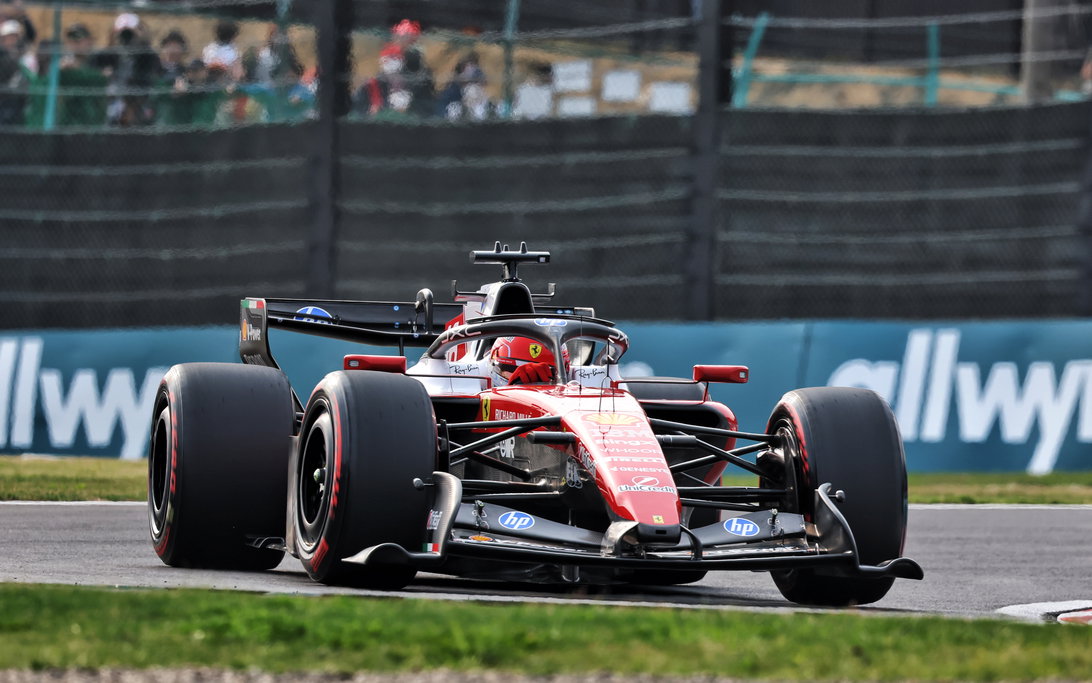
Charles Leclerc has revealed a frustrating technical compromise that leaves Ferrari "exposed" during qualifying sessions, particularly when compared to rival Mercedes-powered cars. The issue centers on the power unit's real-time optimization under maximum attack in Q3, forcing drivers to trade cornering gains for straight-line speed losses.
Why it matters:
This technical limitation directly impacts Ferrari's ability to secure optimal grid positions, a critical factor in race outcomes. As the championship battle intensifies, any recurring performance deficit in a single-lap session can compromise an entire weekend's strategy and points haul, putting the Scuderia at a strategic disadvantage against rivals like McLaren and Red Bull.
The details:
- Leclerc explained the problem occurs on the final Q3 lap when drivers push beyond previous limits. The car's systems must re-optimize parameters in real-time while driving.
- This process seemingly disrupts energy deployment or recovery, leading to a noticeable loss of straight-line speed even as the driver gains time in the corners.
- The Monegasque driver specifically noted that Ferrari appears "more exposed" to this issue than teams using the Mercedes power unit, suggesting a fundamental difference in how the two manufacturers' systems handle peak, unpredictable loads.
- The FIA is already aware of the broader qualifying compromise issue. Ahead of the Japanese GP, they adjusted the regulations by reducing the maximum energy recharge limit per lap from 9.0 MJ to 8.0 MJ in an attempt to mitigate such effects.
What's next:
The acknowledgment from a top driver and the FIA's regulatory tinkering indicate this is a recognized problem within the current powertrain formula. Further technical directives or software-focused fixes from the governing body could be explored to create a more level playing field. For Ferrari, the immediate task is to work with engine partner to understand and minimize this performance exposure internally, as a solution cannot be relied upon from regulation changes alone in the short term.
Original Article :https://racingnews365.com/ferrari-dealt-costly-exposed-verdict-as-fia-exploring-...