





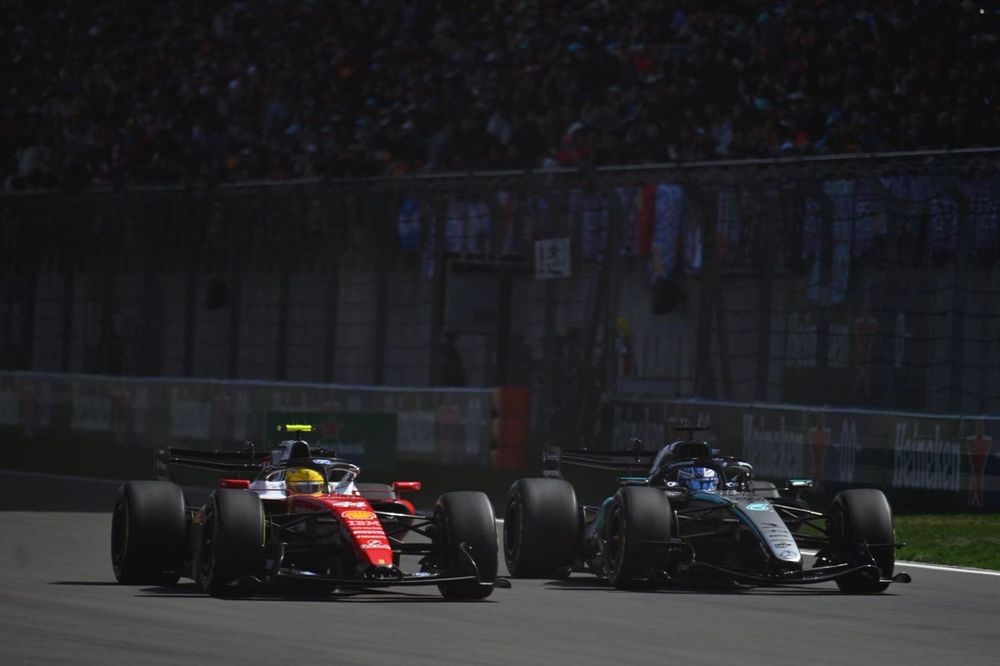
Ferrari defends 2026 start advantage as rivals push for F1 rule changes
Ferrari is holding firm against proposed changes to Formula 1's starting procedures for 2026, leveraging a strategic engine design that has given its cars a consistent launch advantage. The debate, reignited by slow getaways in China, centers on whether the current rules create an unfair disparity or a legitimate engineering challenge that other teams failed to anticipate.
Why it matters:
The standoff highlights a fundamental tension in F1's new engine era: should rules be adjusted to neutralize a team's clever interpretation, or does that punish innovation? Ferrari's refusal to budge tests the regulatory process, as any change requires a supermajority vote from teams. Furthermore, it touches on safety concerns, with some fearing drastically slower cars could cause dangerous situations on the opening lap, though drivers currently downplay this risk.
The details:
- The core issue stems from the 2026 power unit regulations, which deleted the MGU-H. This component previously helped spool up the turbocharger automatically for a strong start.
- Without it, teams must use the internal combustion engine to drive the turbo and build torque, a trickier process that has caught some manufacturers off guard.
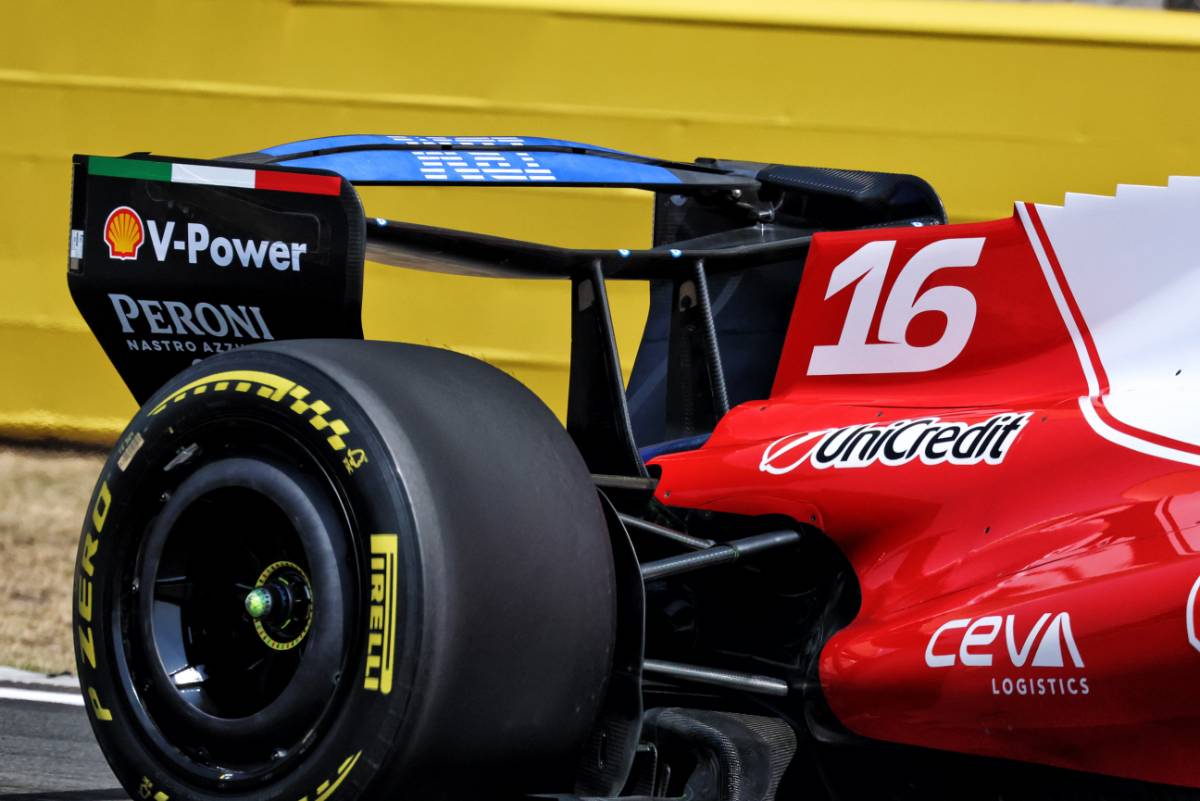
- Ferrari anticipated this challenge early in development. Reports suggest the team opted for a smaller, lighter turbocharger that spins up faster, sacrificing some peak power for superior low-rev response and launch performance.
- The Scuderia's stance is that all manufacturers knew the starts would be harder and chose not to design around it, while Ferrari did the necessary work to cultivate an edge it is unwilling to surrender.
- Driver reactions have been mixed but lean towards viewing it as a solvable engineering puzzle, not a safety crisis.
- Charles Leclerc acknowledged the starts are "trickier" but expects other teams to "find fixes" and close the gap.
- Lewis Hamilton called the varying performance "more exciting" and stated, "I don't think it's dangerous."
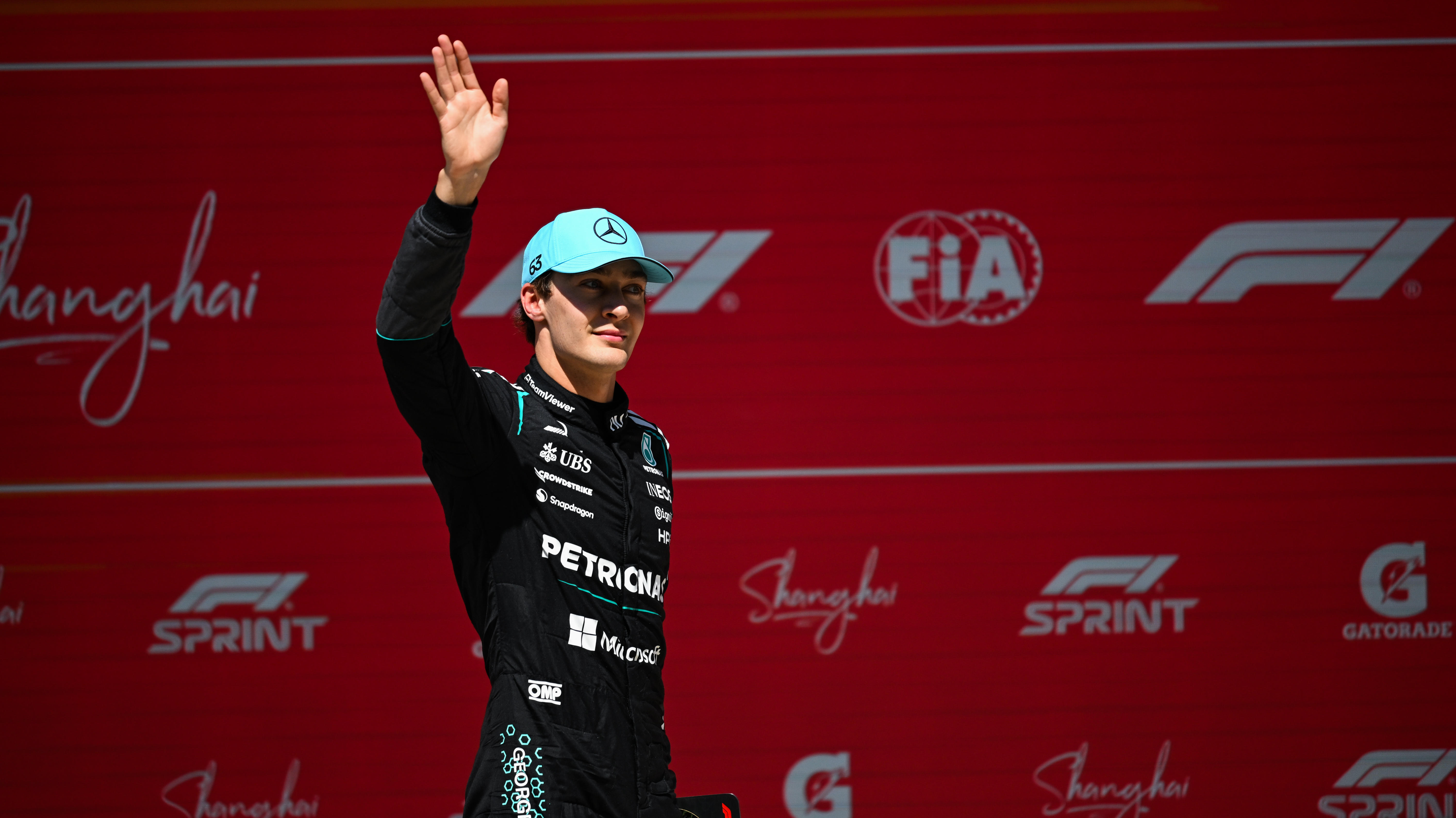
- George Russell noted his team found "workarounds" after Melbourne but called the pre-start procedures "unnecessarily complicated."
What's next:
With Ferrari dug in, the impetus for change now rests on proving a genuine safety issue, which drivers currently dispute. The FIA can only force a change on safety grounds without a supermajority. As teams gather more data and develop their own solutions, the performance gap at the start is likely to narrow naturally. Unless a spate of serious incidents occurs, Ferrari's strategic foresight may simply stand as a masterstroke in the 2026 rulebook's first major test.
Original Article :https://www.motorsport.com/f1/news/why-ferrari-is-fighting-f1-start-rule-changes...