





F1 Unveils 'Overtake Mode' and Active Aero for 2026 Regulation Overhaul
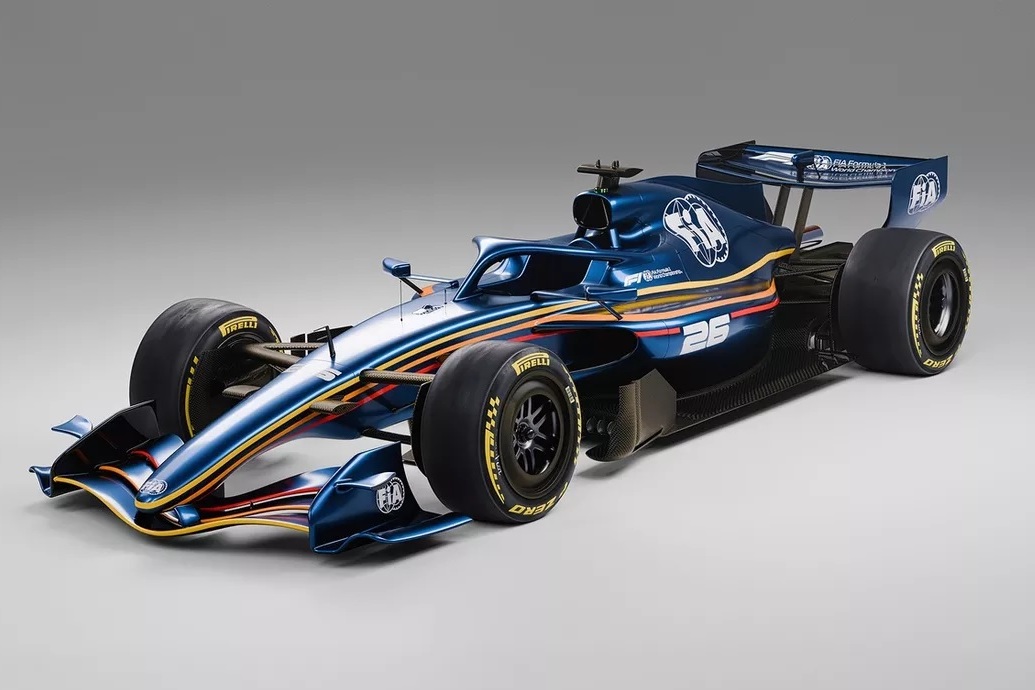
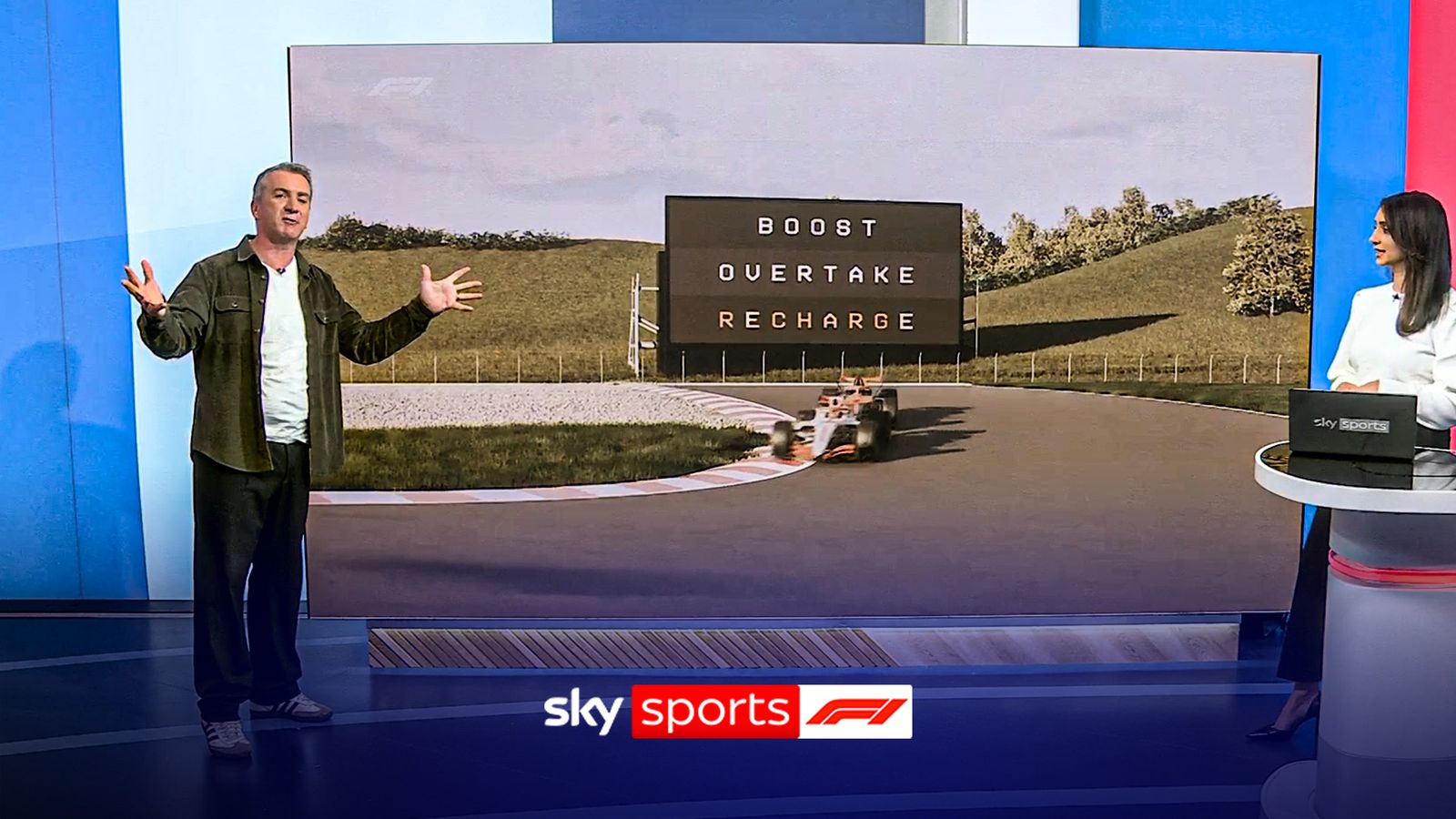
Formula 1 will replace the Drag Reduction System (DRS) with a new 'Overtake Mode' and introduce moveable 'Active Aero' wings starting in 2026, as part of what Sky Sports F1's Martin Brundle calls "the biggest ever" regulatory shake-up. The changes aim to put more strategic power in the drivers' hands and create more dynamic, unpredictable racing by combining new energy deployment options with aerodynamics that adapt mid-lap.
Why it matters:
This represents the most significant technical and sporting regulation change since the 2022 ground-effect era began. The shift from a simple rear-wing flap (DRS) to a multi-faceted system of driver-deployed power and active aerodynamics could fundamentally alter race strategy, qualifying approaches, and the skill set required to be a top driver. It's a direct attempt to solve the core issue of cars struggling to follow and overtake, moving beyond a single detection-zone tool to a more integrated and strategic racing formula.
The Details:
- Overtake Mode: This direct DRS replacement can only be activated when a driver is within one second of a car ahead at a detection point. However, instead of just reducing drag, it provides a burst of extra power from the combined engine and battery. Drivers can choose to use this power boost all at once or spread it strategically over a lap.
- Boost Mode: A separate system available at any point on any lap, allowing a driver to push a button for maximum power deployment from the powertrain. This functions similarly to the old KERS (Kinetic Energy Recovery System) but with far greater electrical energy involved.
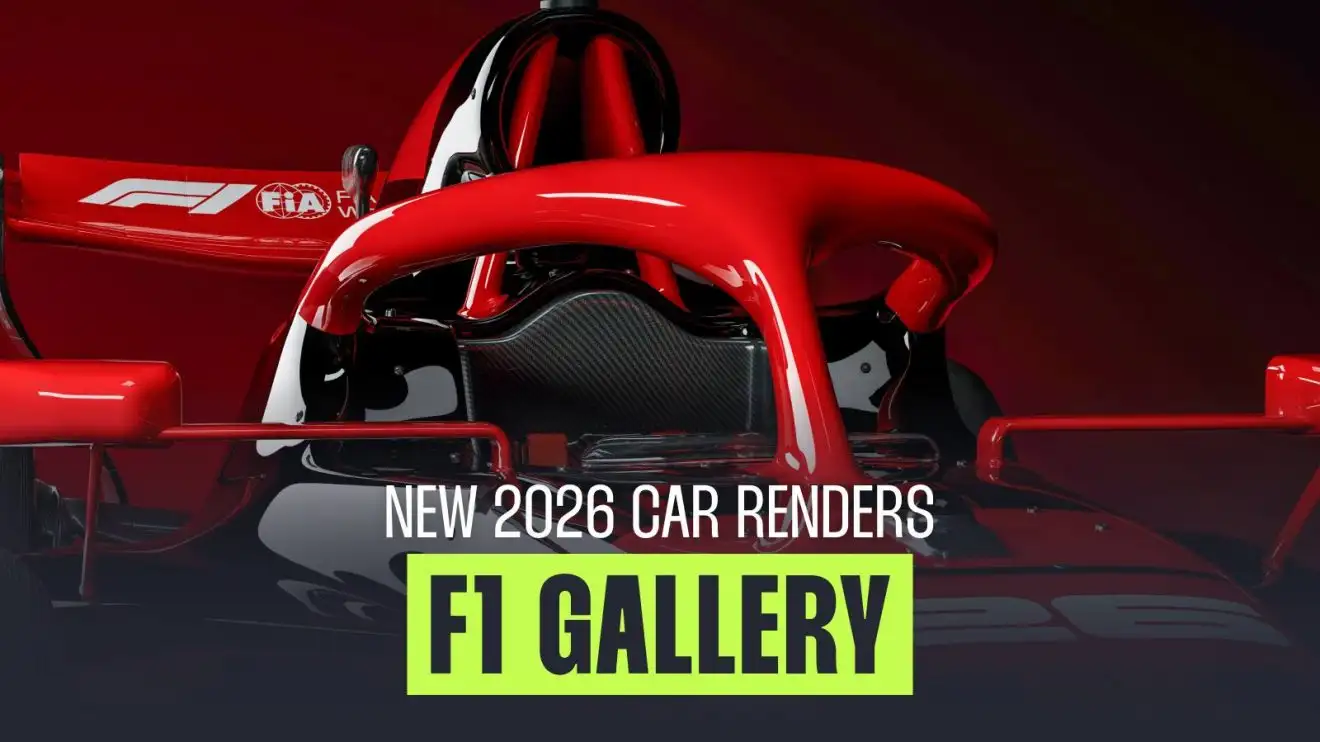
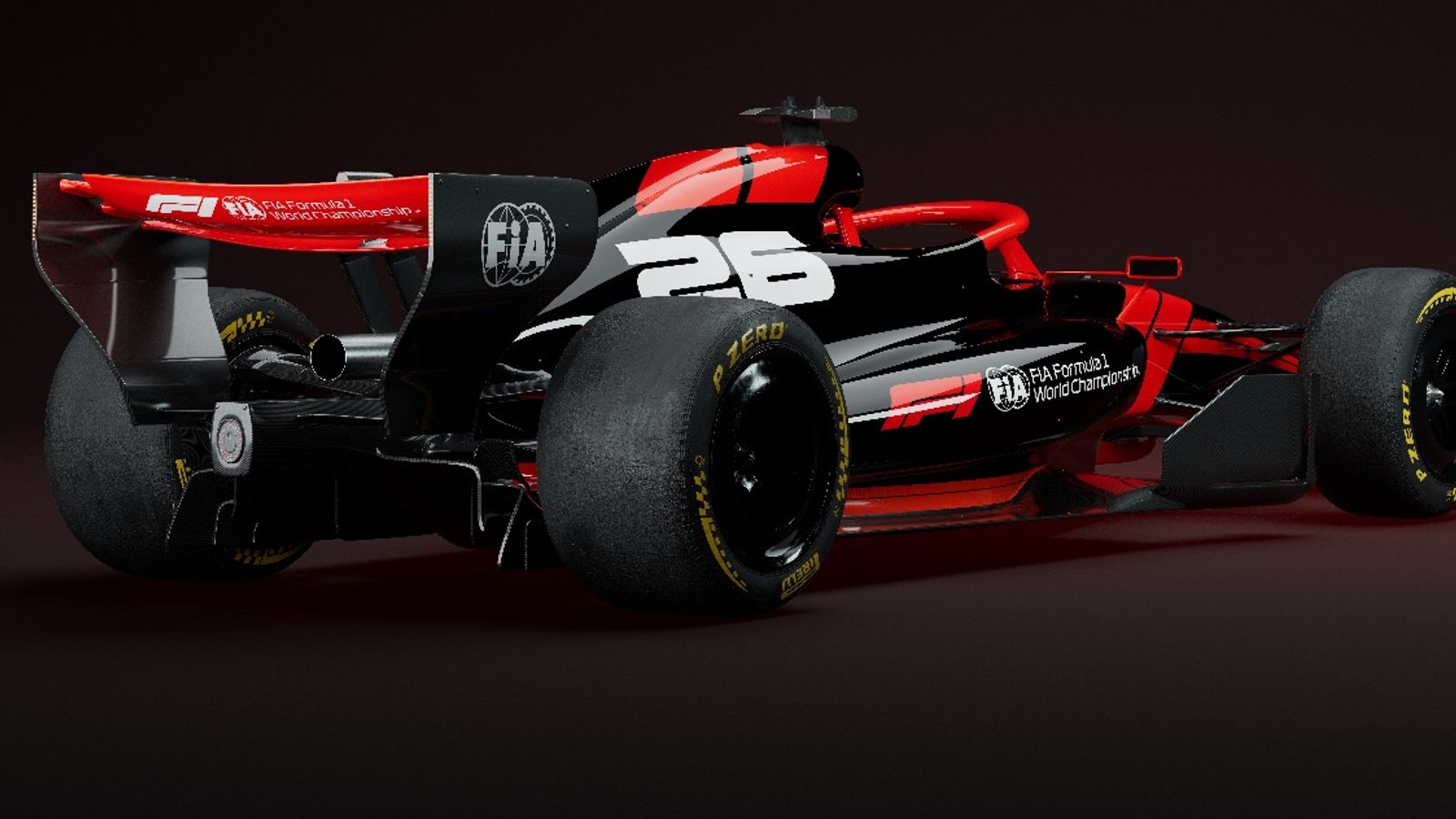
- Active Aero ('Straight Mode'): Cars will feature moveable front and rear wings. In corners, the wings default to a 'closed' position for maximum downforce. On designated straights, drivers can activate 'Straight Mode,' opening the wing elements to reduce drag and increase top speed significantly.
- Power Unit Revolution: The 2026 engines will be a 50/50 split between internal combustion and electrical power. The complex MGU-H is removed, while the MGU-K's output skyrockets from 120kW to 350kW, making electrical energy management a central pillar of performance.
The Big Picture:
The 2026 rules are engineered to create a cascade of new racing scenarios. Higher top speeds from Active Aero will create longer braking zones, reviving the art of the late-braking overtake. The powerful MGU-K will force drivers to strategically 'lift and coast' to recharge the battery, creating opportunities for opponents to pounce if one driver is harvesting energy. As George Russell noted, overtakes could happen in "obscure locations" where they were previously impossible, depending on who has a battery charge advantage at a critical moment.
What's Next:
Teams are already deep in the design phase for the 2026 cars, which will debut at the Australian Grand Prix in March 2026. The success of the rules will hinge on the delicate balance struck between complexity and spectacle. While the goal is more engaging races, there is a risk that the strategic layer becomes so complex that it obscures the raw racing for viewers. The pre-season tests will be the first real indicator of whether 'Overtake Mode' delivers on its promise to make Formula 1 more dynamically competitive.
Original Article :https://www.skysports.com/f1/news/12040/13484743/f1-2026-f1-announces-new-racing...