



F1 Teams Brace for Extreme Austrian Grand Prix Test
The 2026 Austrian Grand Prix is set to be the most severe test yet for Formula 1's new power units, as the Red Bull Ring's punishing layout meets tripled electrical output, extreme ambient temperatures, and the effects of high altitude. Success this weekend will depend on how well teams manage the thermal and mechanical stress on both the internal combustion engine and electrical systems.
Why it matters:
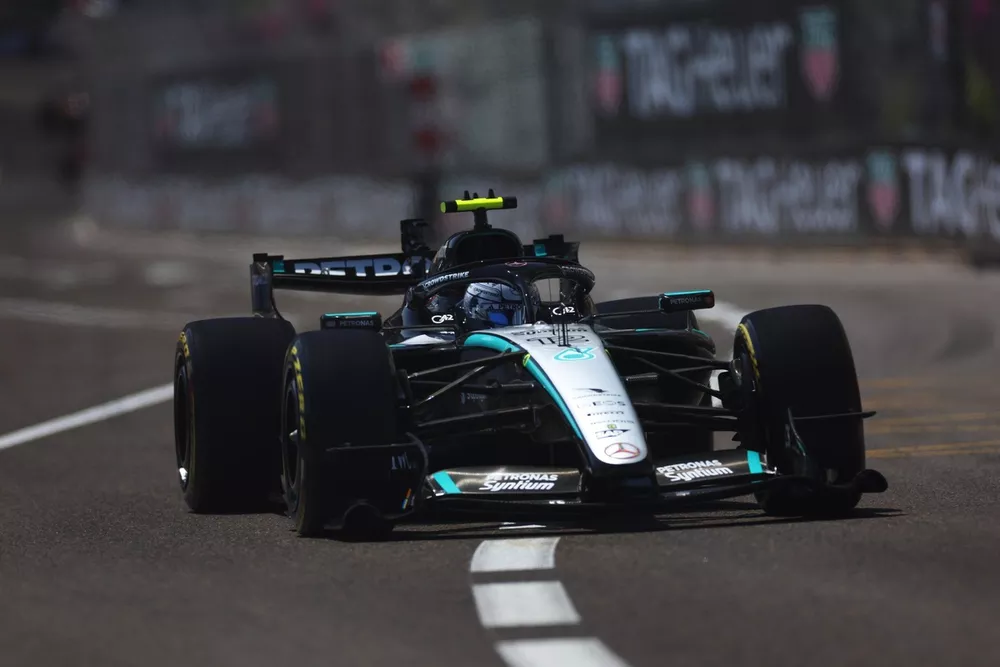
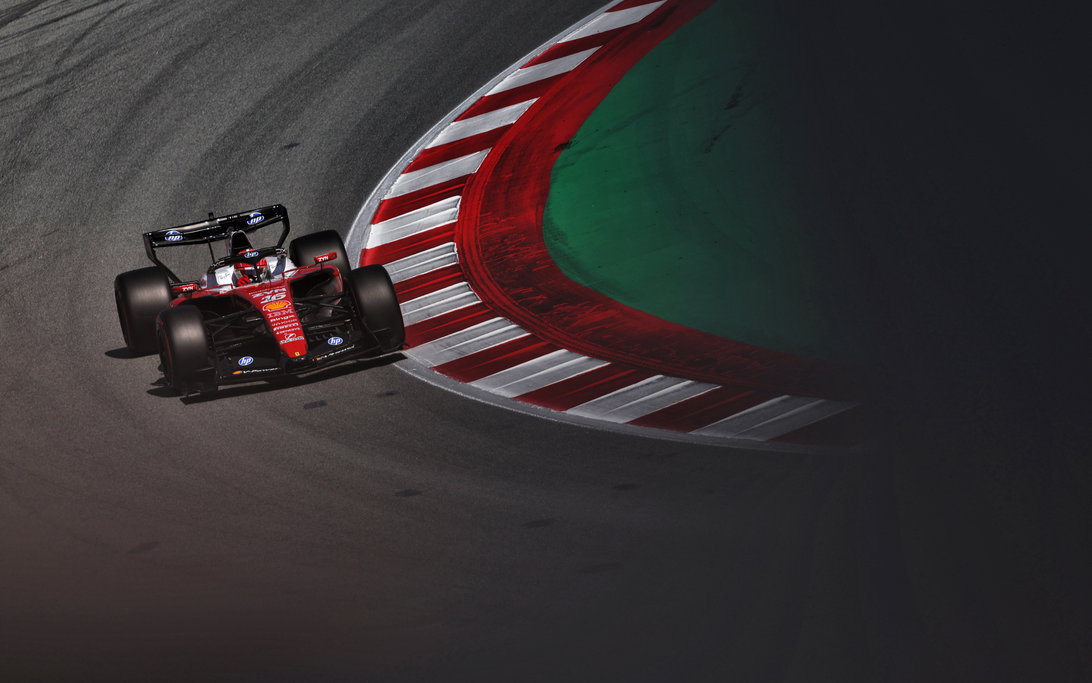
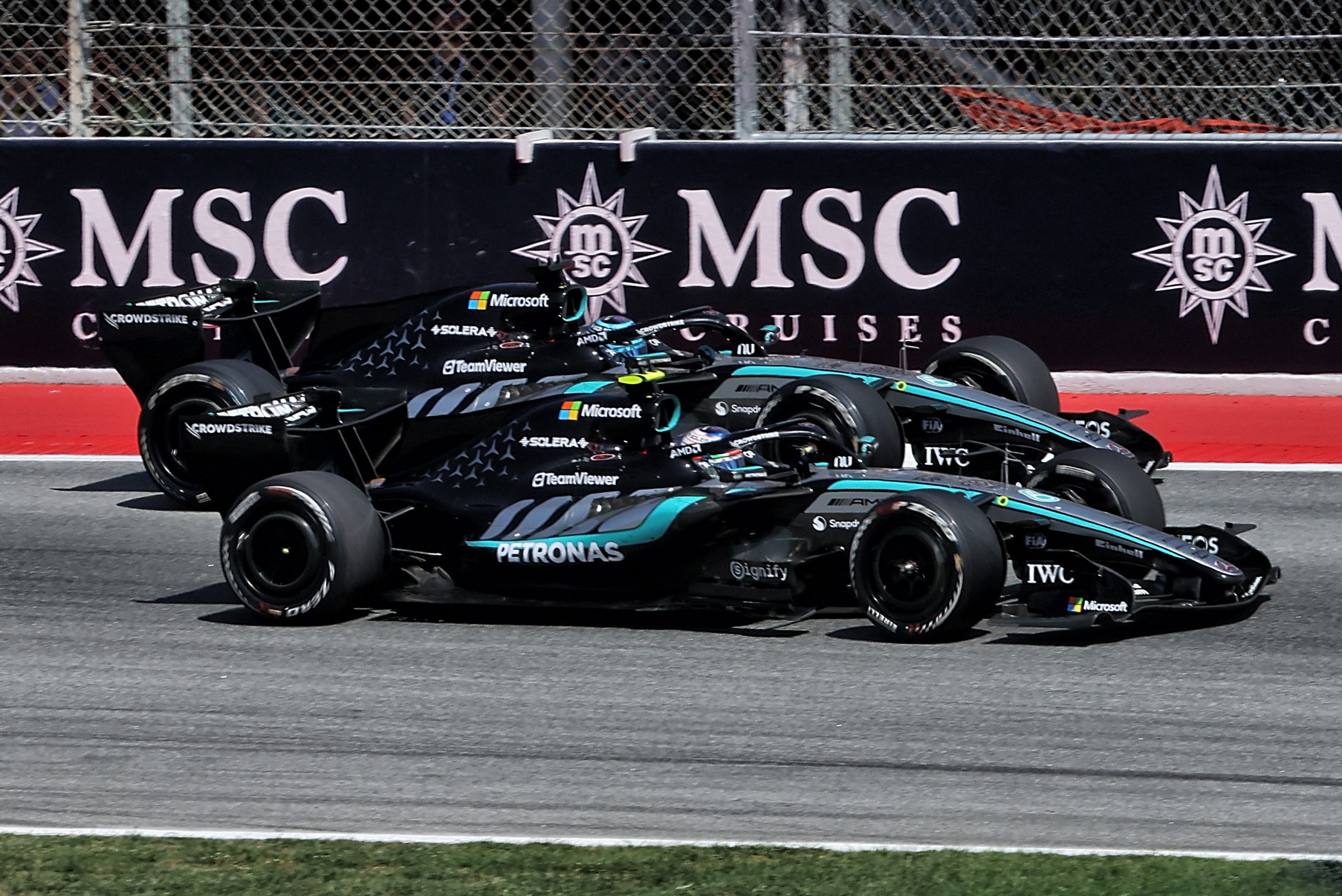
Battery reliability has become the defining issue of the 2026 season, and Austria is poised to expose every vulnerability. Mercedes has already suffered multiple battery failures, losing George Russell in Canada and Kimi Antonelli in Barcelona. The team has introduced a revised control software specification for Spielberg in an effort to stop the problem recurring, making this a pivotal weekend for Brackley's title hopes. For Ferrari, the Austrian race serves as the first real examination of its ADUO system, fitted to the SF-26's third power unit. The gap to Mercedes could either shrink or widen based on what happens in the Styrian mountains.
The details:
- Altitude effects: At roughly 700 metres above sea level, thinner air reduces combustion efficiency by eight to ten per cent and cuts cooling efficiency by around 12 per cent, forcing engineers to fight heat before they even address the track layout.
- Charge cycles: The circuit's stop-and-go character offers fewer battery recharging opportunities than venues like Montreal. Repeated charging under high ambient temperatures and reduced cooling places severe thermal stress on the battery pack.
- Mercedes' fix: The revised battery specification involves no hardware changes; Mercedes has partially rewritten its control software to prevent the failure mode seen in recent races.
- Ferrari's push: The ADUO system on the SF-26 represents Maranello's latest attempt to close the performance deficit to Mercedes' benchmark power unit.
The big picture:
The 2026 regulations have tightened the relationship between power units, chassis, and aerodynamics far more than in previous eras. Aggressive downforce levels can now compromise cooling and battery management, meaning performance gains in one area can create reliability headaches elsewhere. The Red Bull Ring is exactly the kind of venue where these interdependencies become costly, with sustained mechanical and electrical stress leaving minimal margin for error.
What's next:
The focus in Spielberg will be on whether Mercedes' software solution can withstand the combined heat and altitude, and whether Ferrari's ADUO hardware produces the gains needed to sustain a genuine championship challenge. With reliability now a true competitive differentiator, the teams that best protect their power units through Austria's extreme conditions could seize a decisive advantage in both the race and the standings.
Original Article :https://racingnews365.com/f1-teams-braced-for-extreme-austrian-grand-prix-test