


F1's New Era: What It Won't Give Up
Despite criticism of being 'artificial,' Formula 1's 2026 regulations have delivered unprecedented, TV-friendly wheel-to-wheel battles that the sport's commercial leadership has no intention of surrendering. While tweaks to energy deployment are expected to address concerns about overly easy overtakes, the core spectacle of extended dices—a dramatic shift from recent seasons—is here to stay.
Why it matters:
For years, F1 grappled with processional races where overtaking was rare. The 2026 rules, designed to create closer racing, have succeeded in generating the kind of sustained, lap-after-lap battles the sport has long dreamed of, particularly appealing to a growing global audience. Balancing this new entertainment value with sporting integrity is now the central challenge.
The details:
- The primary complaint centers on energy deployment mismatches, exemplified in Melbourne where a leading car losing 470bhp at the end of a straight allowed a following car to pass effortlessly with full battery power.
- Racing at Shanghai presented a different, more conventional picture. With less energy starvation, cars arrived at braking zones with equally depleted batteries, making overtakes dependent on driver skill in out-braking maneuvers.
- The 'boost function' remains key, allowing the chasing car extra energy to stay within striking distance for multiple laps, setting up these extended duels.
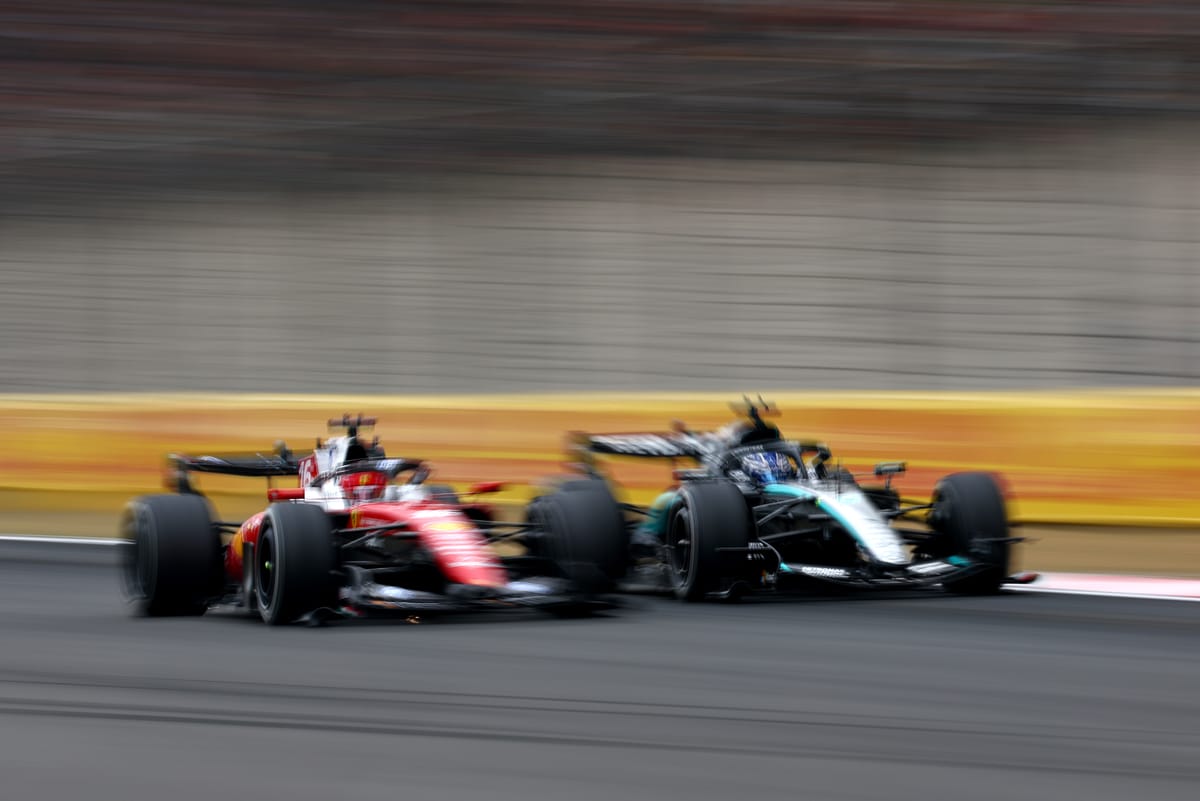
- A crucial, often overlooked factor in the Mercedes-Ferrari battles is their diametrically opposed car traits. Ferrari's superior acceleration neutralizes Mercedes' qualifying advantage, while Mercedes' grunt allows it to eventually overtake after laps of boost-assisted pressure—a delicate balance that creates the spectacle.
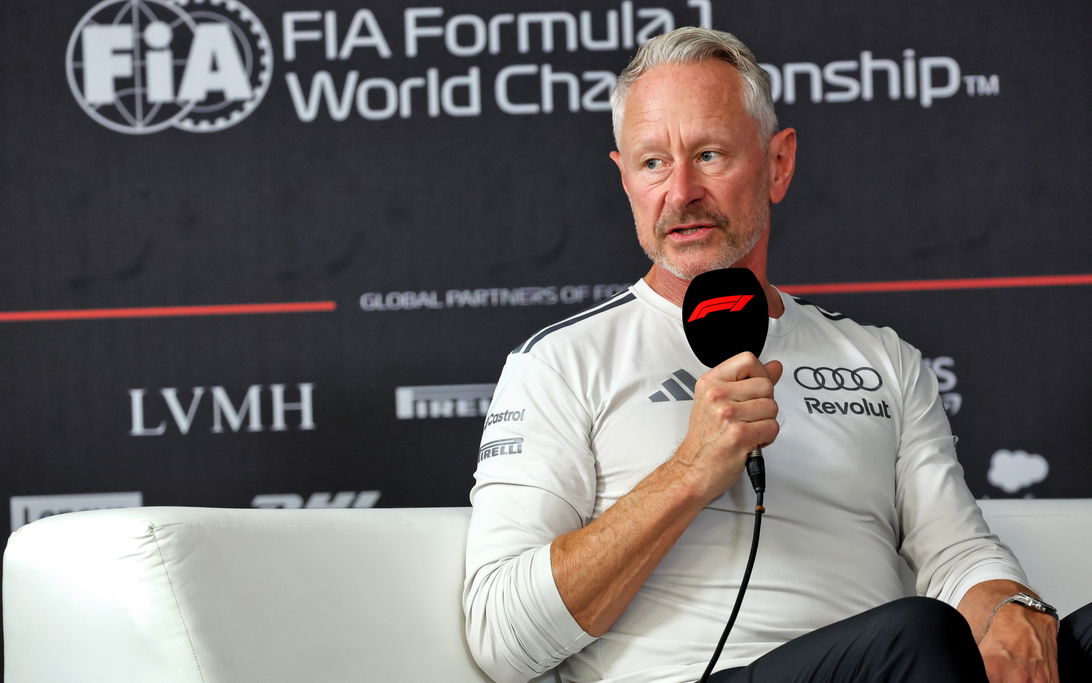
- Toto Wolff of Mercedes acknowledged the quality of the new racing product, stating, "We were all part of F1 where there was no overtake, literally. Sometimes we are too nostalgic about the old years, but I think the product is good."
What's next:
The focus turns to refinement, not reversal. F1 will seek technical adjustments to prevent 'meritless' battery passes while preserving the core racing product.
- A significant variable is the Additional Design and Upgrade Opportunities (ADUO) mechanism. If used to peg back Mercedes' power unit advantage after six races—as widely speculated—it could disrupt the delicate performance balance that has fueled the top battles.
- Wolff alluded to coming political battles, saying, "Let's see what kind of political knives are going to come out in the next few weeks and months." The sport must carefully manage both energy regulation tweaks and the application of ADUO to sustain the new, spectacular pattern of racing it has unlocked.
Original Article :https://www.the-race.com/formula-1/what-f1-wont-surrender-to-cure-artificial-rac...