



F1's new era erupts with 'unseen' racing and driver division
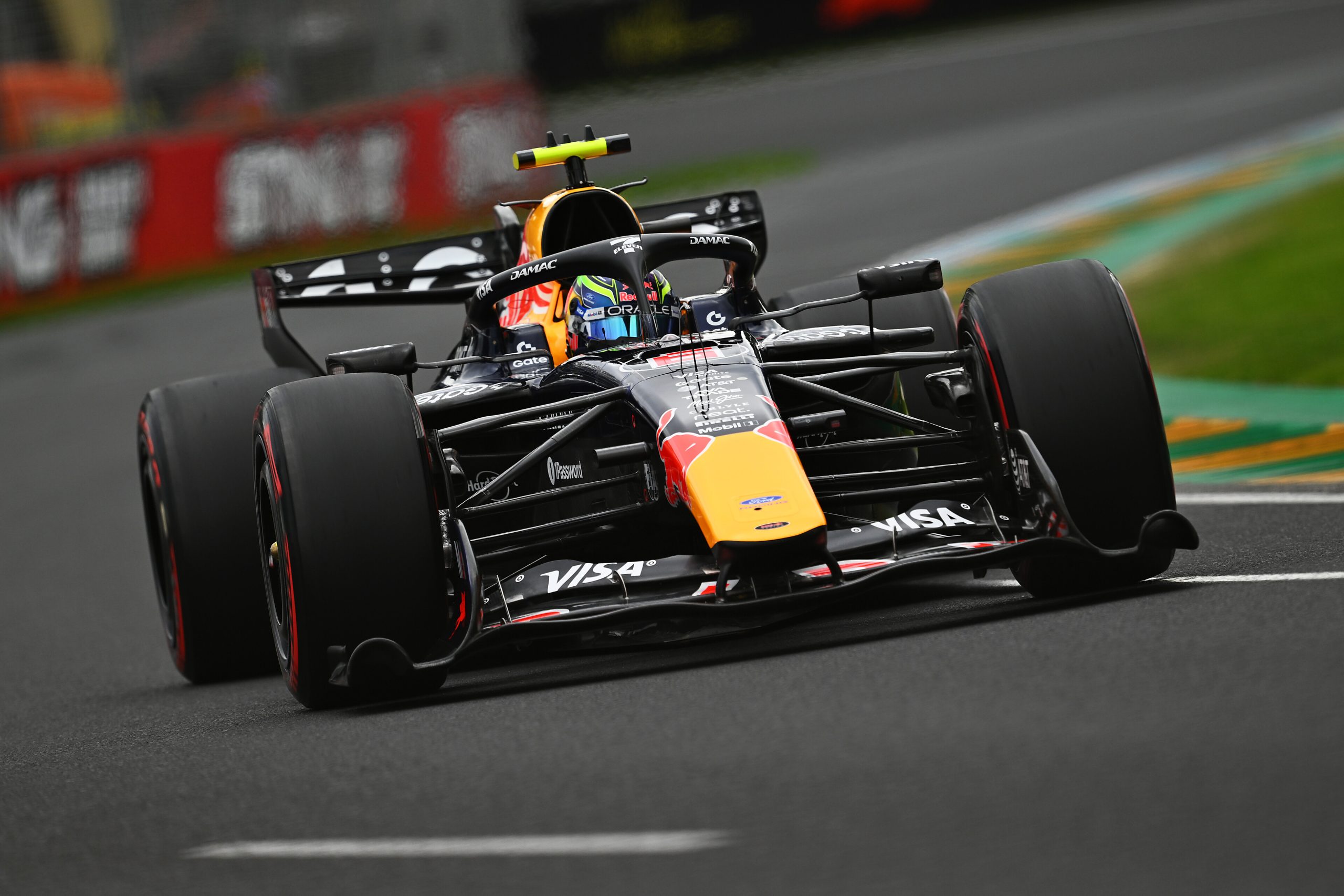
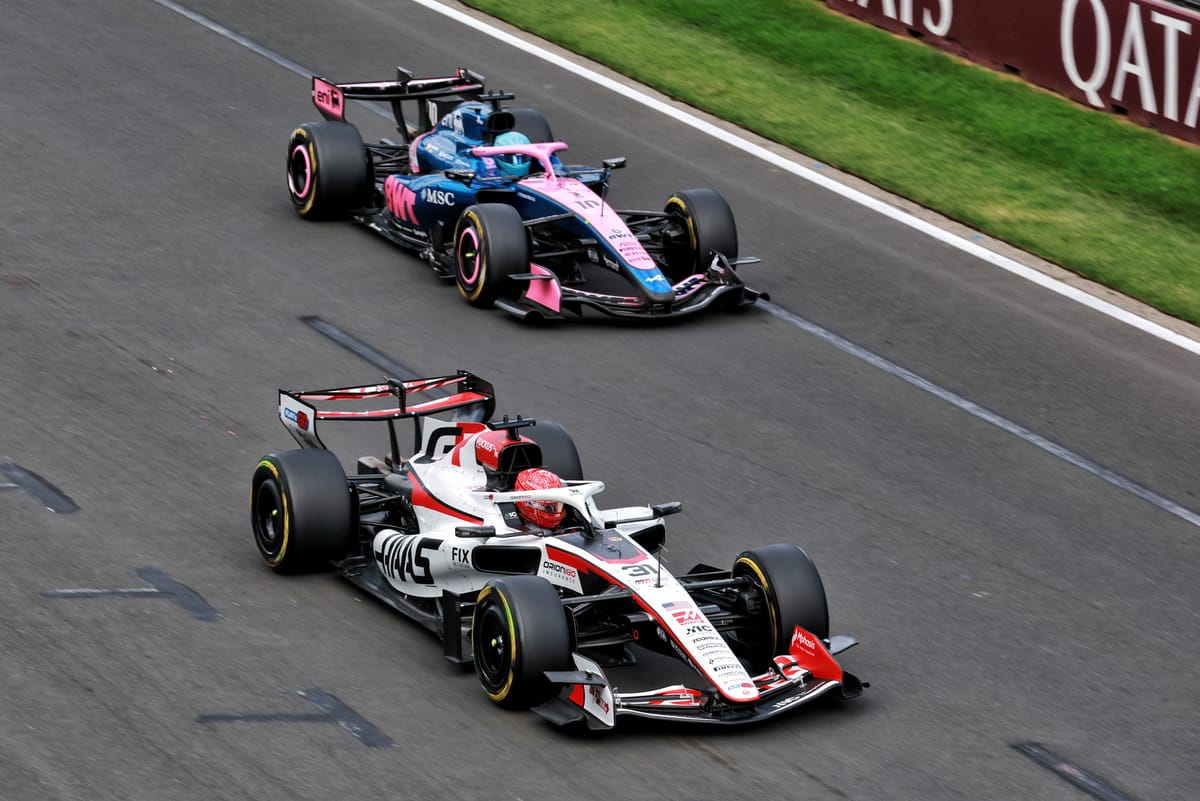
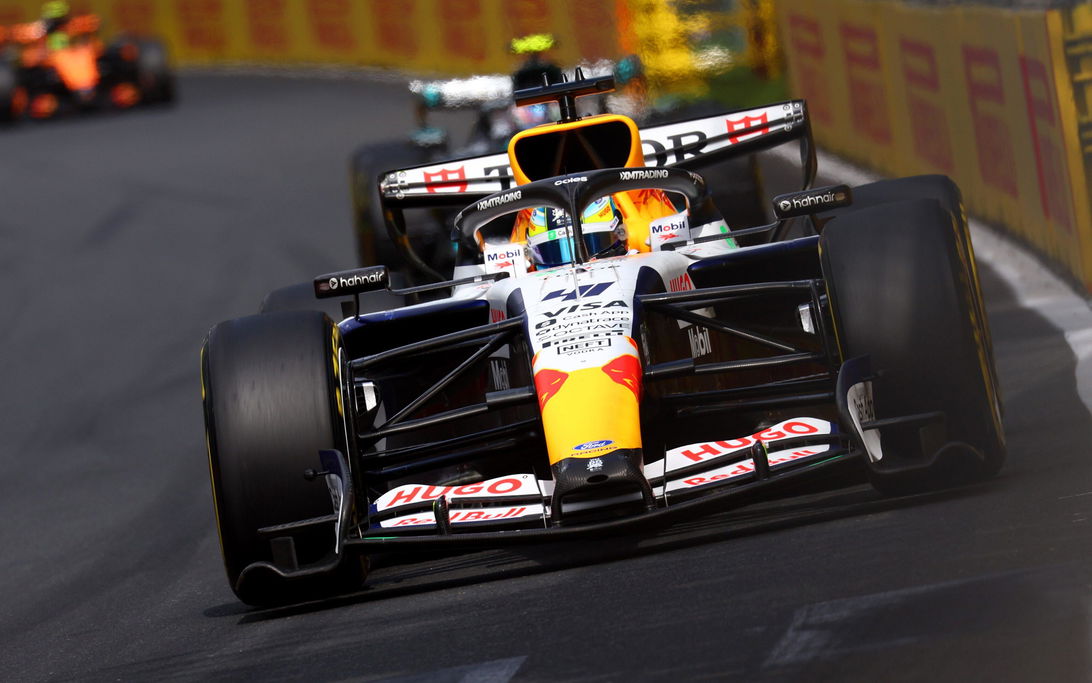
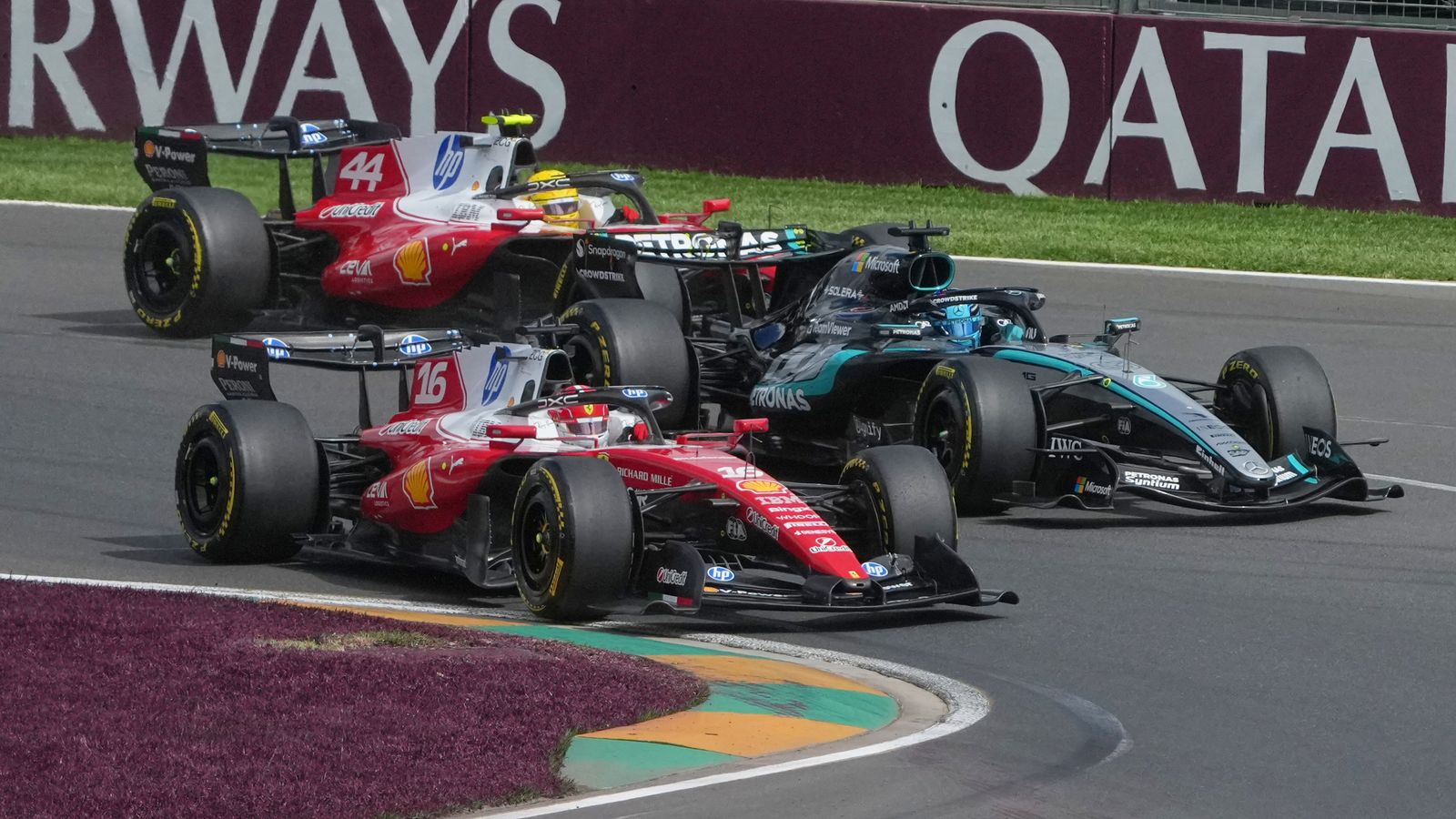
Formula 1's 2026 regulations debuted with a spectacular, chaotic opening act in Melbourne, featuring 120 overtakes and a fierce early duel between George Russell and Charles Leclerc. While the spectacle thrilled fans and some drivers, it ignited a fierce debate within the paddock over whether the new, energy-management-heavy racing is a brilliant innovation or an artificial gimmick.
Why it matters:
The first race under radically new power unit rules serves as a critical litmus test for the sport's future direction. The immediate production of wheel-to-wheel action validates one goal of the regulations, but the vocal criticism from reigning champion Max Verstappen and others highlights a fundamental tension between entertainment and sporting purity that F1 must navigate.
The Details:
- The new rules prioritize electrical energy deployment, creating large speed differentials on straights. This led to Russell and Leclerc swapping the lead seven times in nine laps, as one could blast past only for the other to repass using a stored "Overtake Mode."
- Paddock Praise: Ferrari boss Frederic Vasseur hailed the show, stating, "I'm not sure that I saw something like this in the last 10 years." Lewis Hamilton, who disliked the previous generation of cars, "loved" the new racing style.
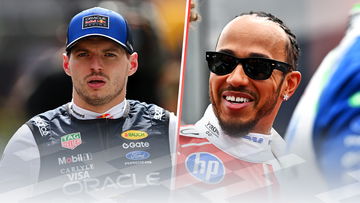
- Driver Criticism: A significant faction labeled the racing "artificial." Max Verstappen reiterated his "Formula E on steroids" critique, while Lando Norris complained that overtakes felt random and power-unit dependent.
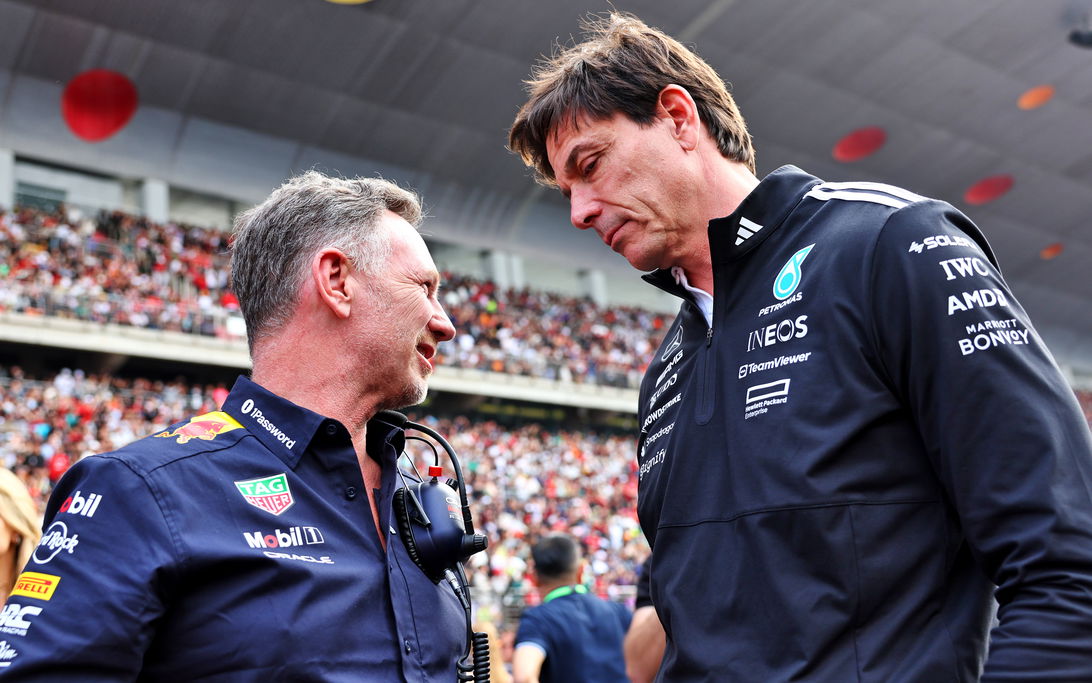
- Strategic Nuance: Toto Wolff noted the regulations make it hard to break away in a close fight, causing performance convergence, but true car pace is still revealed in free air.
Between the lines:
The split reaction reveals a classic F1 divide. Drivers in the most affected, race-leading cars (Verstappen, Norris) feel a loss of control, while those benefiting from the mix-up (Hamilton, Russell) or focused on the fan experience (Vasseur, Wolff) are more positive. Russell's call for patience is key; Albert Park's unique layout heavily influenced the energy-management chess match, and the effect may vary dramatically at different circuits.
What's next:
The debate moves to Shanghai for the first Sprint weekend of 2026. The long straights of the Chinese circuit will present a different challenge, concentrating energy deployment into one key zone rather than several. The sport's rulers will be watching closely to see if the thrilling drama outweighs the driver complaints, with Vasseur vowing to "react" if needed after a few more races.
Original Article :https://www.skysports.com/f1/news/12433/13516886/f1-2026-cars-how-new-regulation...