





F1's New Energy Challenges Exposed in Australian GP Practice
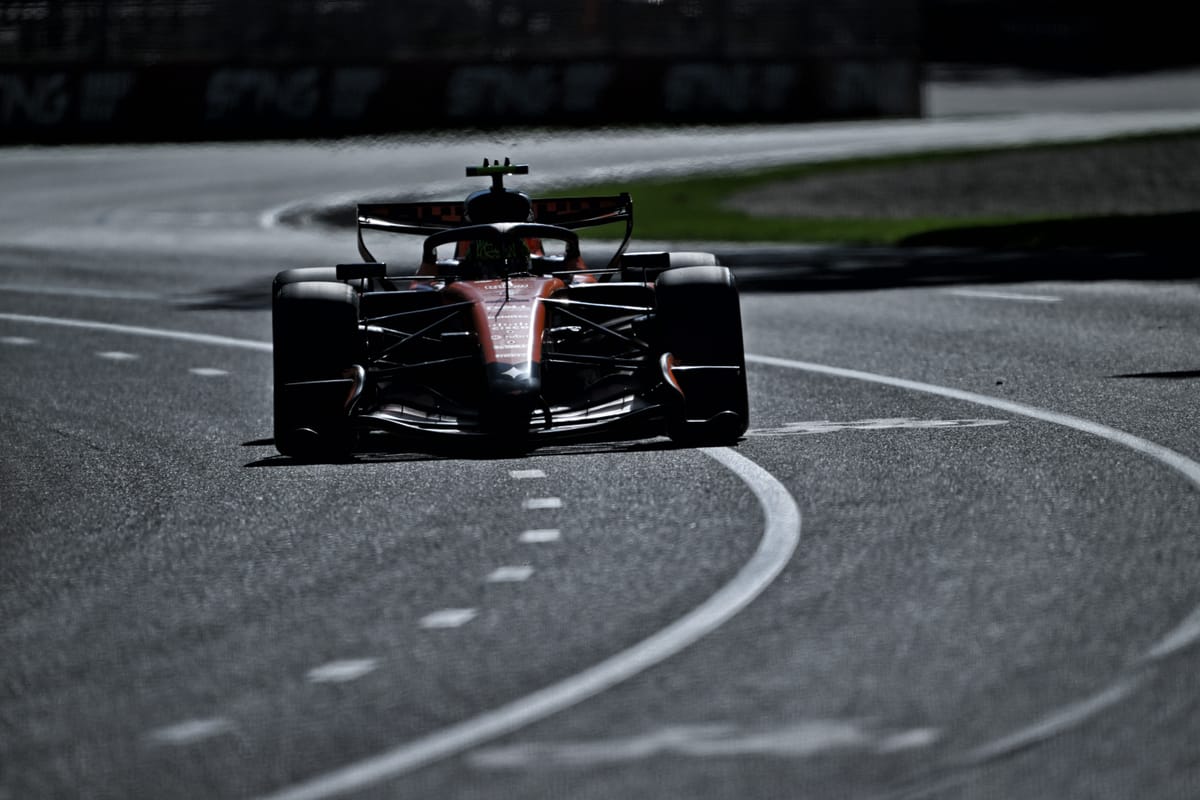
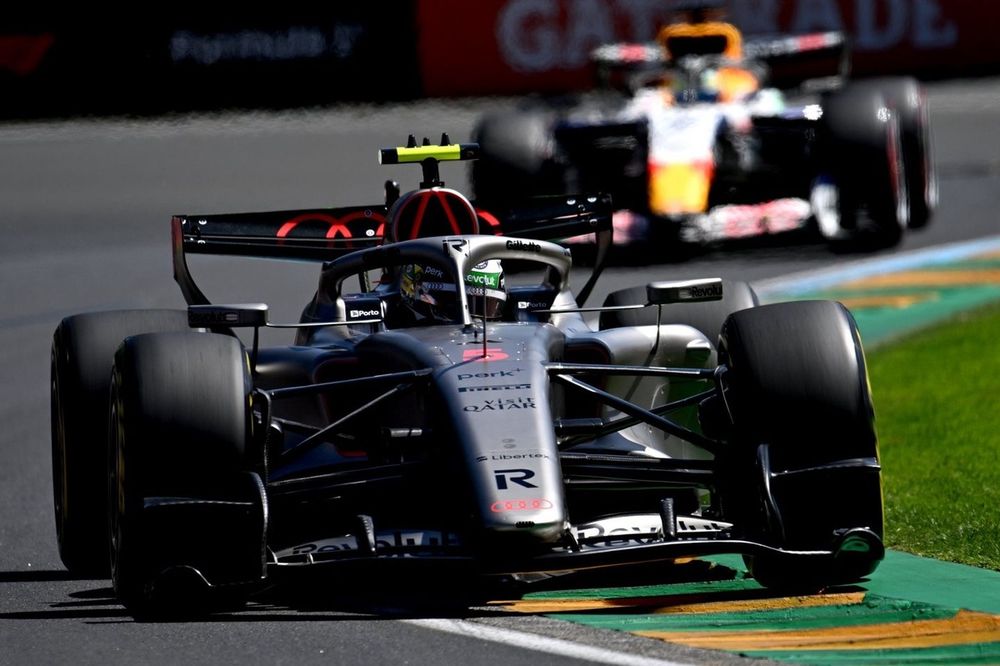
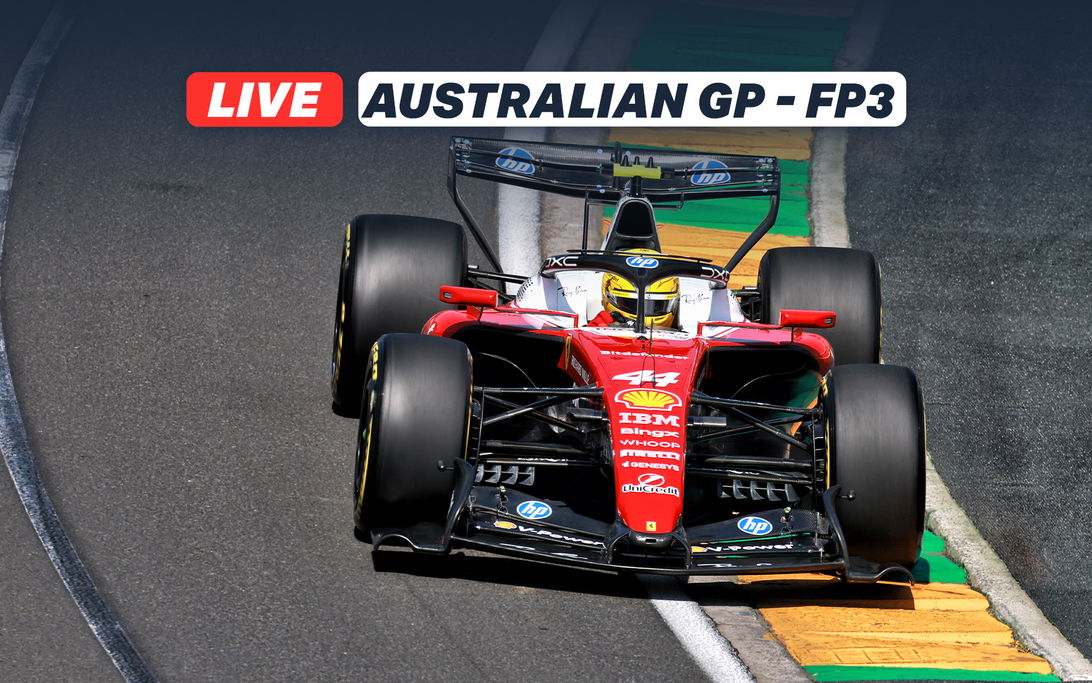
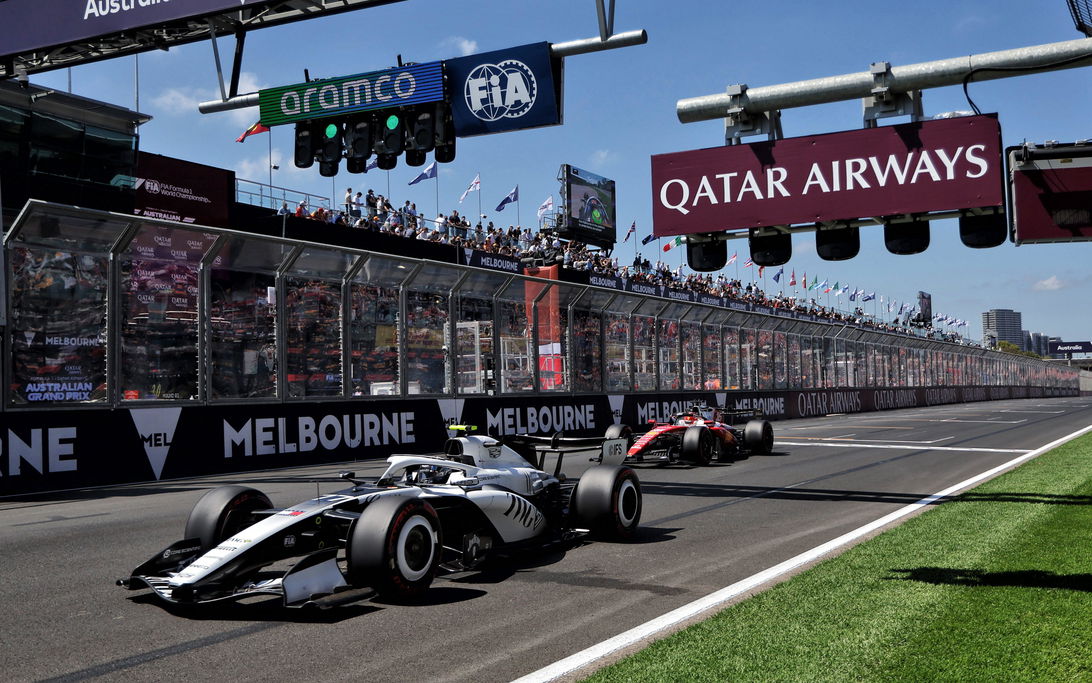
The first practice sessions of the 2026 Formula 1 season in Melbourne starkly revealed the extreme energy management challenges posed by the sport's new technical regulations, with drivers struggling with significant battery deployment issues and a dramatic loss of straight-line speed compared to previous years.
Why it matters:
The 2026 regulations, featuring new power units with a heavier reliance on electrical energy, were designed to push efficiency and sustainability. However, the early evidence from Albert Park suggests the current balance may be compromising the core spectacle of F1—raw speed and the ability for drivers to push flat-out. If cars are consistently 'clipping' power on straights, it could fundamentally alter race craft and overtaking, potentially leading to calls for the FIA to recalibrate the rules.
The details:
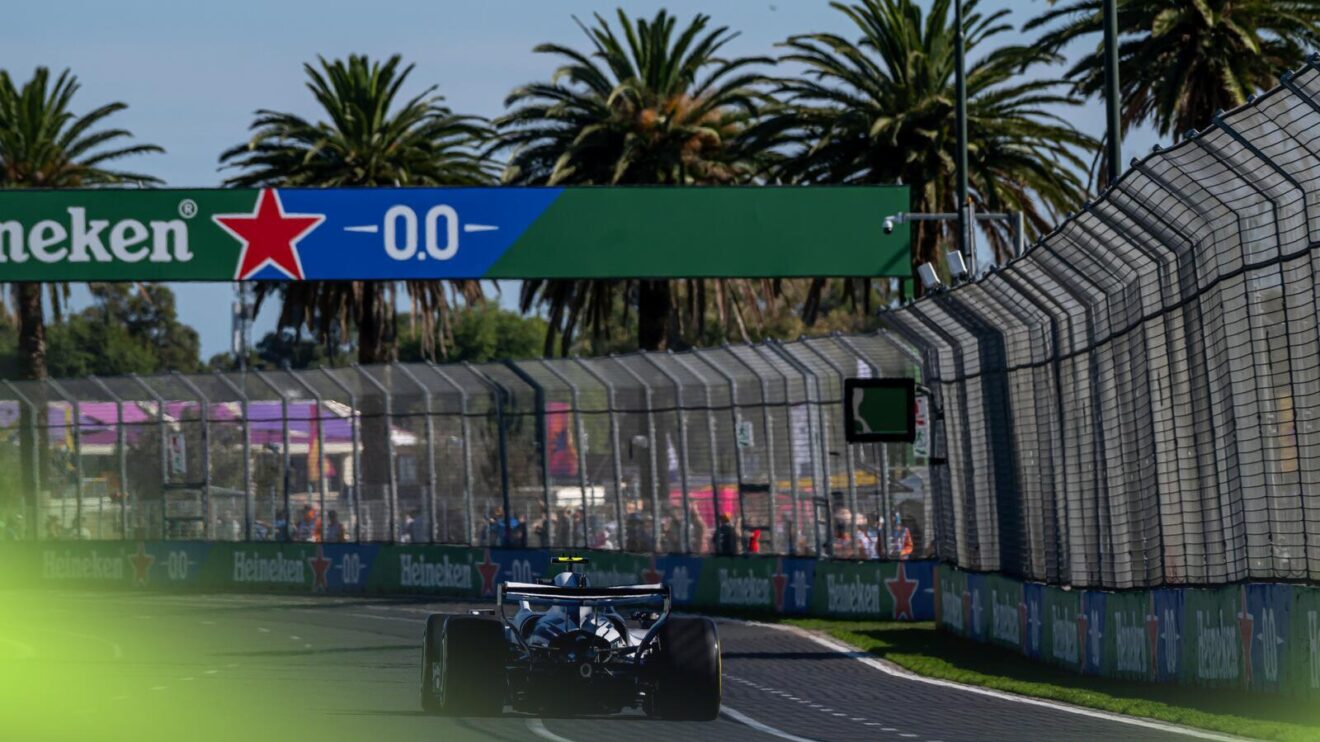
- Severe Power Management: Drivers were forced to lift and coast extensively, not just in corners to recharge, but also faced power cuts ('clipping') on the straights themselves, leading to unnatural driving styles.
- Massive Speed Deficit: Data comparisons showed a staggering top speed loss of 40-50 km/h at certain points on the circuit compared to 2025, with Max Verstappen's Red Bull losing nearly 30 km/h on the main straight despite deploying battery power.
- Lap Time Impact: The pace was over three seconds slower than the 2025 practice sessions, with Oscar Piastri's leading time of 1:19.729s far off Charles Leclerc's 1:16.439s from the previous year. While early development and less downforce are factors, energy management is the primary constraint.
- Strategic Shift: The emphasis has moved decisively from pure car performance to intricate energy strategy. Securing pole position and race wins will now depend heavily on perfect battery deployment and harvesting cycles throughout a lap.
What's next:
Teams and drivers face a steep learning curve to optimize these complex new systems. The situation in Melbourne provides critical data, and all eyes will be on whether performance converges as understanding deepens. The FIA will likely monitor the situation closely; if the spectacle is deemed compromised by excessive management, regulatory tweaks to the energy deployment parameters could be considered later in the season or for 2027.
Original Article :https://racingnews365.com/f1-problems-exposed-by-australian-gp-practice