



F1's Commercial Revolution Takes Center Stage at Cannes Lions
Formula 1 didn't just attend the Cannes Lions International Festival of Creativity this year; it owned the town. While other sports hosted branded watch parties, F1 teams and executives occupied the most prominent venues, teaching marketers how the sport transformed from a commercial afterthought into the industry's sharpest case study.
Why it matters:
For decades, European football looked down on Formula 1's commercial operations. Today, that flow of influence has reversed completely. Liberty Media and Netflix injected crucial new demographics, specifically 18-to-35-year-olds and a female audience now hovering near 50%, reshaping how global brands view the sport.
The details:
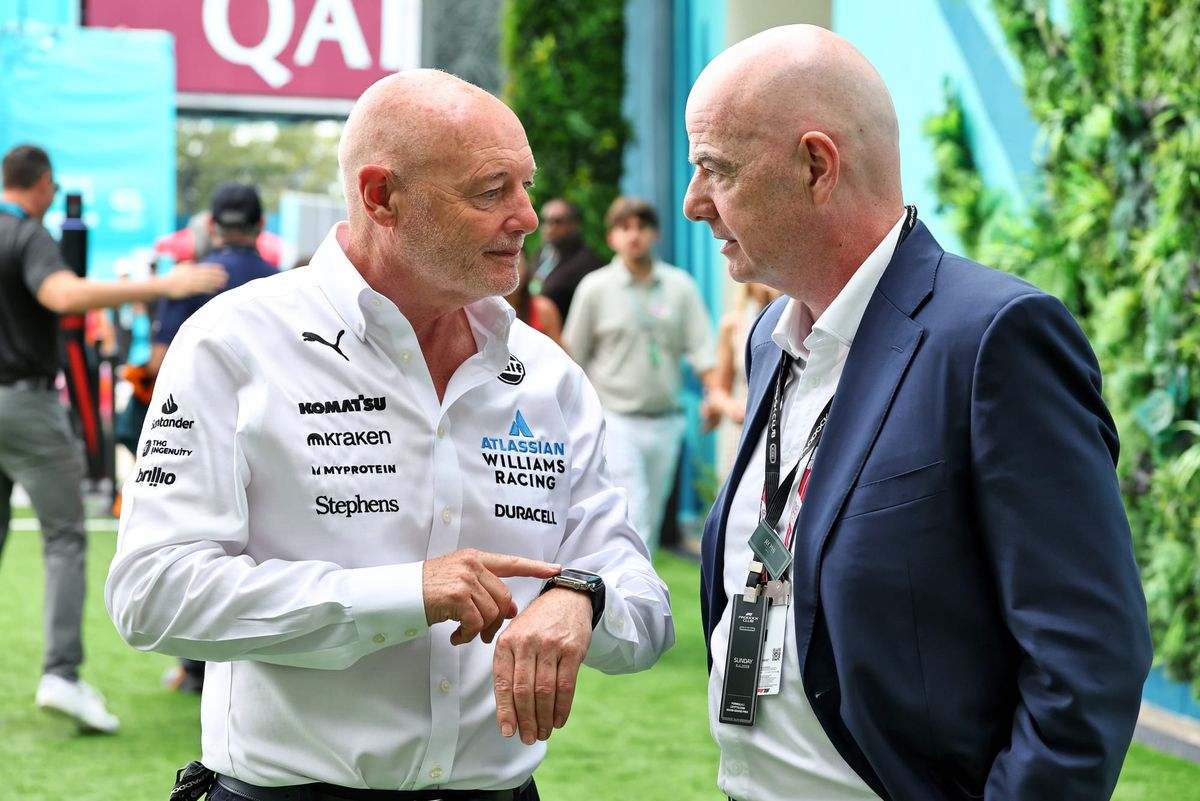
- Cross-sport expertise: Williams advisor Peter Kenyon, who built commercial operations at Manchester United and Chelsea, sees the iconic F1 team as an "underutilised asset" and is rebuilding it using strategies from elite football.
- Global benchmarks: Kenyon's team measures itself against the top 50 sports teams worldwide, not just the other nine outfits on the F1 grid.
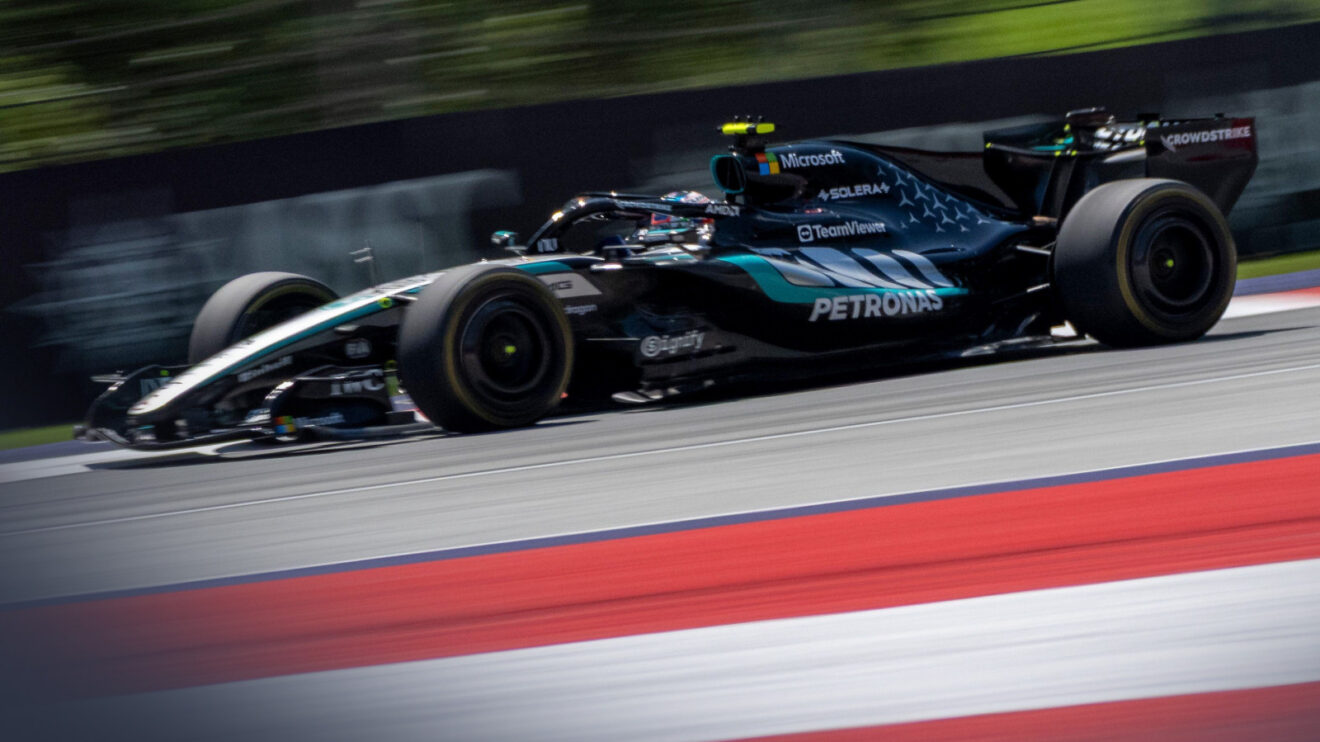
- Authentic integration: Modern F1 partnerships have moved far beyond logo placement. Kenyon notes, "It's not a sticker on the car. If you want a sticker on a car, there are cheaper ways than Formula 1."
- Oversubscribed interest: Cannes panels probing the "Netflix effect" were packed as agencies scrambled to understand how Drive to Survive unlocked entirely new consumer markets.
The big picture:
F1's dominance at Cannes proves its commercial revolution still has plenty of runway. With teams benchmarking against elite football clubs and NBA franchises rather than midfield rivals, the sport has redefined its ceiling. Among the global marketing elite, the question is no longer whether F1 belongs, but how every other property can copy its homework.
Original Article :https://www.the-race.com/business/a-sport-insiders-perspective-on-f1s-commercial...
