


F1's 2026 Rear Lights: Your Guide to the New Energy Signals
The rear lights on 2026 Formula 1 cars will transform from simple brake indicators into a complex communication system, signaling a car's real-time energy management phase to both drivers and fans. This change is a direct result of the new power unit regulations that massively increase the electrical energy component, making battery harvesting and deployment a central part of racing strategy and on-track safety.
Why it matters:
Understanding these signals is key to following the 2026 on-track action, as energy management will dictate race pace and overtaking opportunities more than ever. The new light system directly addresses a major safety concern—sudden speed drops from energy harvesting—while also adding a strategic, transparent layer that teams and viewers can use to analyze a competitor's energy state.
The Details:
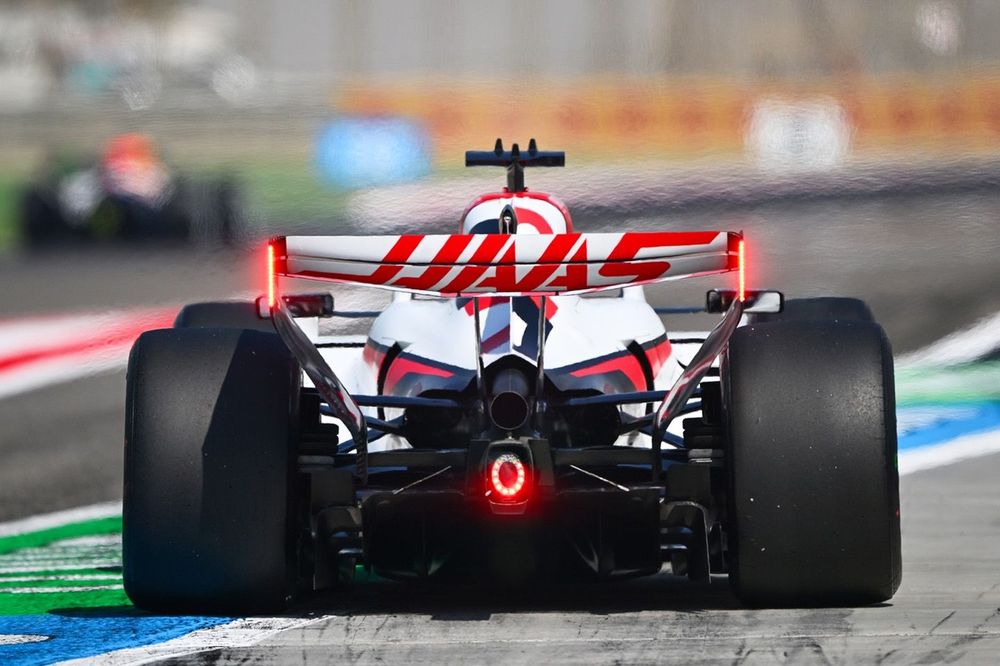
The redesigned system uses a central rear light and two lights on the rear wing endplates to indicate one of three primary energy phases:
- Single Flash: The MGU-K is supplying electrical energy, but at less than the maximum 350kW. Car acceleration may begin to vary.
- Double Flash: The MGU-K is completely disengaged. The car is powered solely by the internal combustion engine (ICE), which exceeds 500bhp.
- Rapid, Continuous Flash: The car is in "super clipping" mode. The ICE is at full throttle, but the MGU-K is working against it to harvest energy and recharge the battery, which can cause a noticeable drop in speed.
The primary driver for this system is safety, providing a clear warning to following cars of potential sudden deceleration, especially during super clipping on straights. However, teams will also analyze these signals to reverse-engineer rivals' energy deployment and harvesting strategies across a lap.
The Big Picture:
This innovation is a direct response to the controversial 2026 regulations, which have been criticized for potentially creating confusing racing. By making the complex energy flow visible, the FIA aims to maintain clarity and safety. The lights will also be used for broader communications, such as indicating Safety Car periods, double-waved yellow flags, a stalled engine, or the use of wet-weather tires.
What's next:
As teams develop their 2026 cars, mastering the strategic use of energy harvesting—and learning to mask their strategies from competitors reading their lights—will become a critical engineering and driver skill. This system represents a fundamental shift in how drivers race and how fans watch, turning energy management from an invisible calculation into a visible, integral part of the spectacle.
Original Article :https://www.motorsport.com/f1/news/how-rear-led-lights-can-indicate-energy-level...