




F1's 2026 Bahrain test reveals engine controversy and Verstappen's fury
The first pre-season test for Formula 1's 2026 season concluded in Bahrain, revealing a brewing technical war over Mercedes' engine design and a scathing critique of the new regulations from reigning champion Max Verstappen. While lap times suggested a close field, the underlying narratives point to a season beginning with significant controversy and safety concerns.
Why it matters:
The test has immediately highlighted two major flashpoints that could define the early 2026 season: a potential regulatory battle over engine legality and driver dissatisfaction with the new car dynamics. How these issues are resolved will directly impact the competitive order and the spectacle of the racing itself, setting the tone for a crucial new era of technical regulations.
The details:
- Engine Controversy: A major dispute centers on how to measure the compression ratio of Mercedes' new power unit. The current rules measure it at ambient temperature, but rivals want it measured when the engine is hot—a change that requires a supermajority vote. Ferrari, Honda, and Audi are in favor, with Red Bull Powertrains now seen as a critical swing vote after initially aligning with Mercedes.
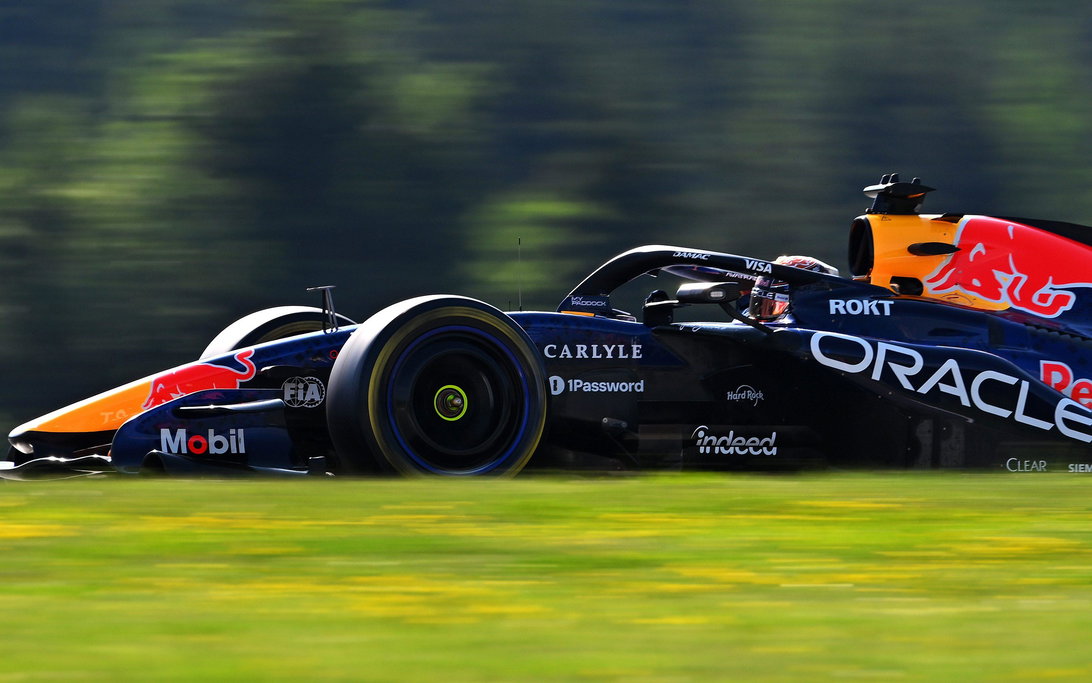
- Verstappen's Broadside: Max Verstappen delivered a stunning condemnation of the 2026 regulations, labeling the energy recovery rules "anti-racing" and comparing the cars to "Formula E on steroids." He hinted that political factors, like Audi's entry and the removal of the MGU-H, influenced the rules and suggested his long-term future could be affected if he remains unhappy.
- Performance Parcel: No team willingly accepted the "favorite" tag. Lando Norris (McLaren), Charles Leclerc (Ferrari), and Kimi Antonelli (Mercedes) each topped a day, while teams downplayed their pace. Ferrari and Verstappen suspect Mercedes was running its engine turned down, while Red Bull's Pierre Waché dismissed Mercedes' benchmark claims.
- Safety Concerns: The removal of the MGU-H has created a dangerous procedure for practice starts, requiring drivers to manually spool the turbo for 10 seconds. Mistakes could lead to cars stalling on the grid, risking severe collisions. McLaren team principal Andrea Stella called for "responsible" talks with the FIA to address the issue before the racing begins.
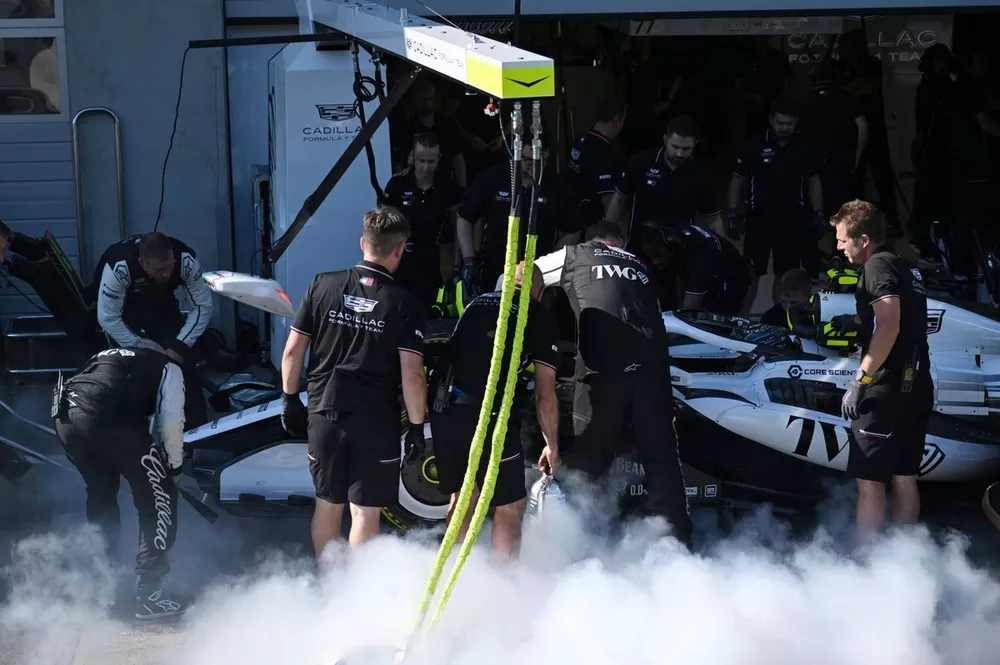
- Team Standings: Haas emerged as a positive surprise, completing 383 reliable laps and positioning itself as a solid midfield contender. Audi and Cadillac had respectable, trouble-free tests building foundations. Aston Martin struggled, with Lance Stroll admitting the car was significantly off the pace, marking a setback from its more positive showing in Barcelona.
What's next:
The political engine battle will move to a crunch vote of the Power Unit Advisory Committee. All eyes turn to the final test and the season-opening Australian Grand Prix, where the true competitive order will be revealed and the safety of the new start procedures will be tested under real pressure. Teams like Aston Martin have a short window to recover, while Mercedes must navigate the escalating controversy surrounding its power unit.
Original Article :https://racingnews365.com/seven-things-we-learned-from-f1s-opening-bahrain-pre-s...