



F1 drivers react to the 2026 cars: From Verstappen's 'Formula E on steroids' to Norris's 'fun' challenge
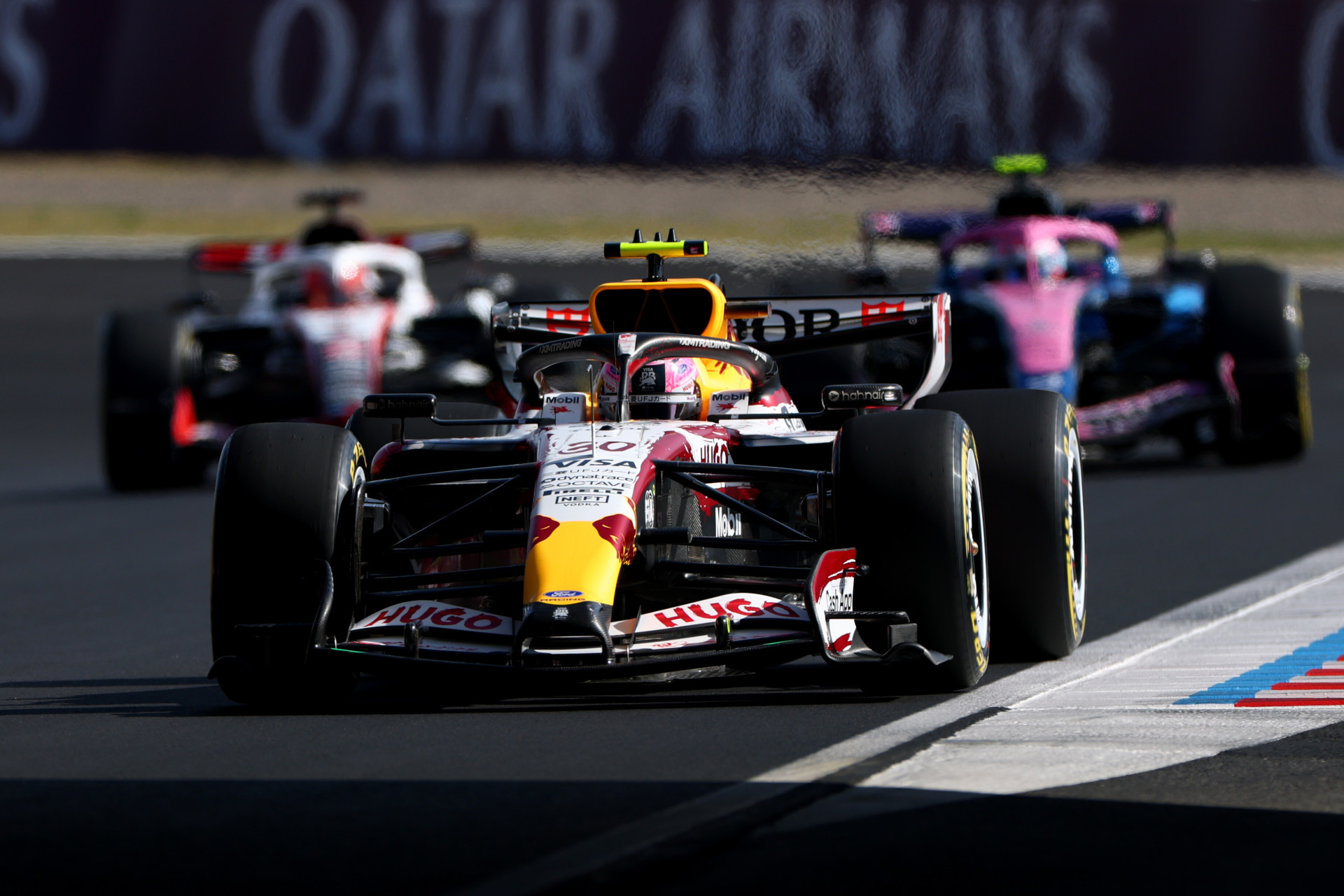
The first official pre-season test for Formula 1's 2026 cars in Bahrain has revealed a wide spectrum of driver reactions, ranging from sharp criticism to measured optimism. The new generation of lighter, shorter, and less aerodynamically dependent cars presents a fundamental shift in driving style, with energy management becoming a dominant factor over pure, flat-out speed.
Why it matters:
The 2026 regulations represent the most significant technical reset since the hybrid era began in 2014, aiming to create closer racing and a more sustainable future. How the drivers—the ultimate performers—adapt to and perceive these cars is a critical early indicator of the new era's sporting appeal. A divided paddock on the 'fun factor' could signal a prolonged period of adjustment before the racing spectacle meets its intended goals.
The details:
Driver feedback after the Bahrain test highlights several key themes and a clear split in opinion.
- The Critics: Reigning champion Max Verstappen offered the most blunt assessment, comparing the driving experience to "Formula E on steroids" and stating it's "not very Formula 1-like." He emphasized that the constant need to manage energy deployment detracts from the pure, flat-out driving he enjoys.
- The Optimists: McLaren's Lando Norris described the car as "a lot of fun" and "the most different" he has driven in F1, enjoying the challenge of less grip and more power. Rookie Kimi Antonelli also found the more agile car "quite nice to drive."
- The Pragmatists: Many drivers adopted a wait-and-see approach. Ferrari's Charles Leclerc said the car wasn't the "funniest" but found enjoyment in the technical development challenge. Fernando Alonso pointed out that the new priority on energy conservation changes cornering speeds dramatically, quipping that "the chef can drive the car" through what were once critical high-speed corners.
- A Throwback Feel: Several veterans noted the cars reminded them of the 2014-2016 era. Valtteri Bottas said the feeling of sliding more with less downforce but strong power was a familiar throwback.
- A Learning Curve: Drivers universally acknowledged a steep adaptation curve. Liam Lawson called the car "pretty tough to drive," while Alex Albon observed "quite big differences between teams" in how they were extracting lap time, suggesting convergence is still to come.
What's next:
The true test of the 2026 regulations will come under racing conditions at the season-opening Australian Grand Prix. Drivers like Esteban Ocon and Pierre Gasly reserved final judgment, emphasizing that the ultimate metric is whether the new cars produce better racing and more overtaking. As teams rapidly develop their packages, the driving experience and competitive order will continue to evolve throughout the season, determining whether this new era is embraced as a thrilling challenge or viewed as a step away from F1's core identity.
Original Article :https://www.motorsport.com/f1/news/f1-drivers-verdict-on-2026-cars-after-first-w...