

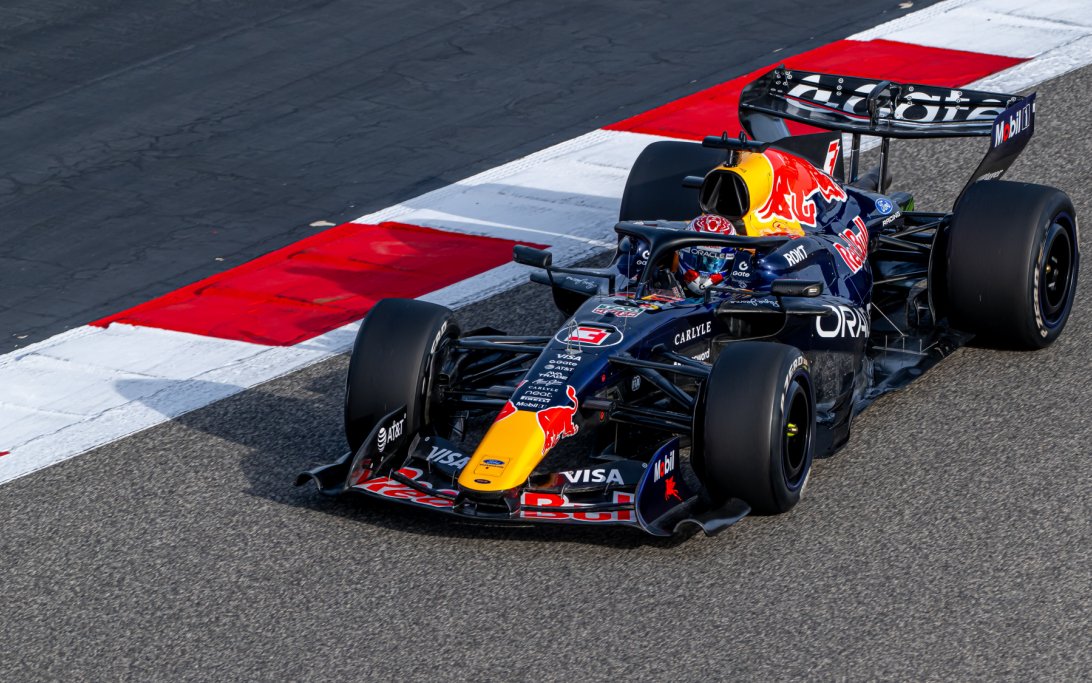
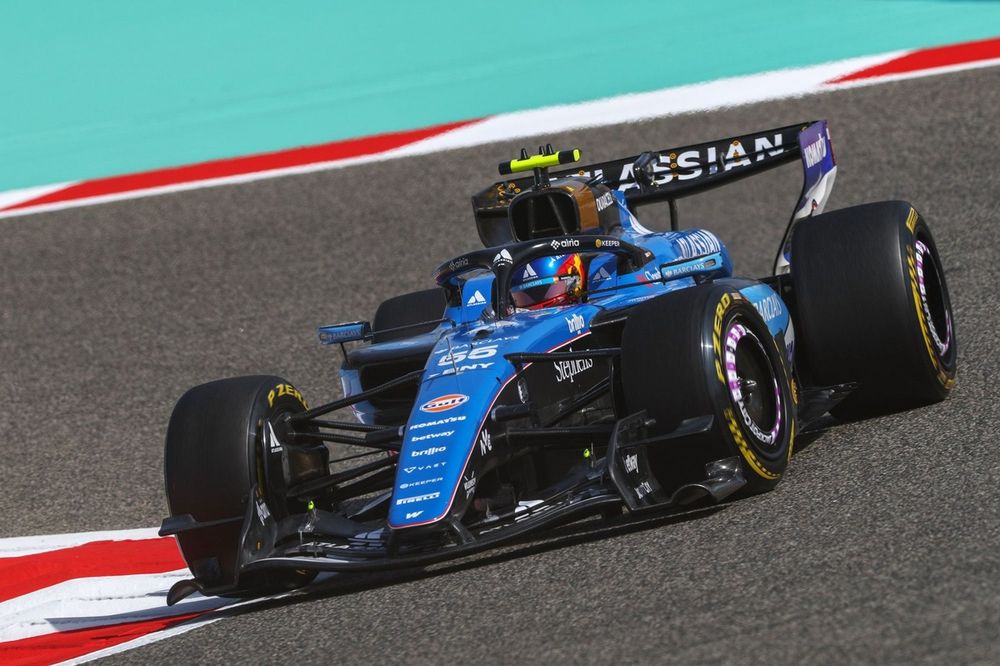

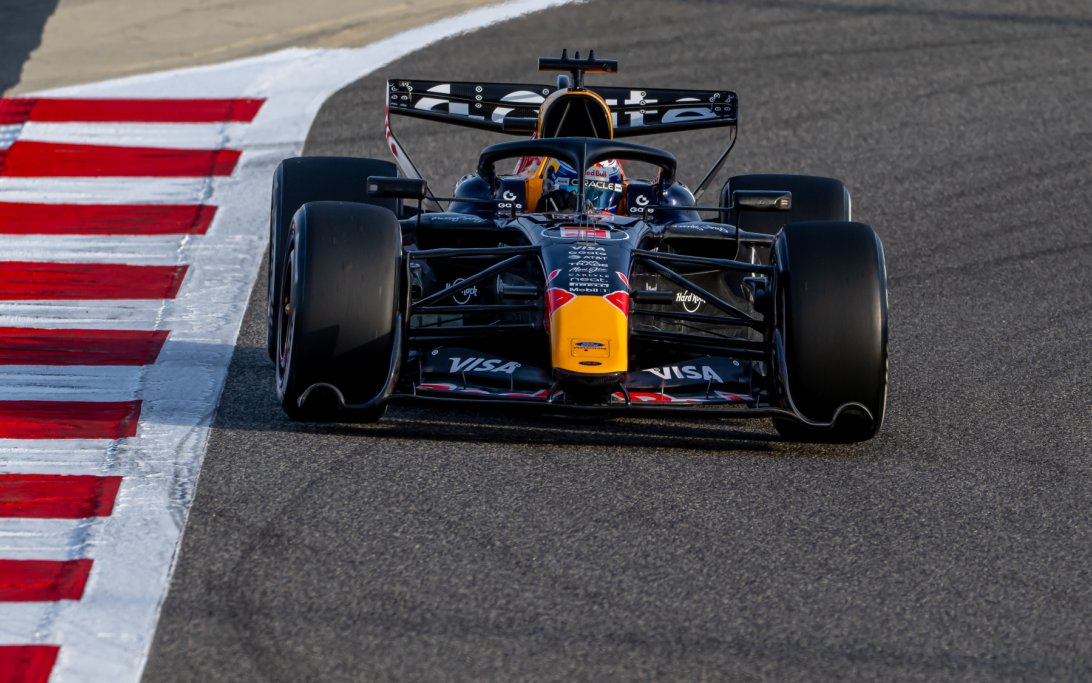
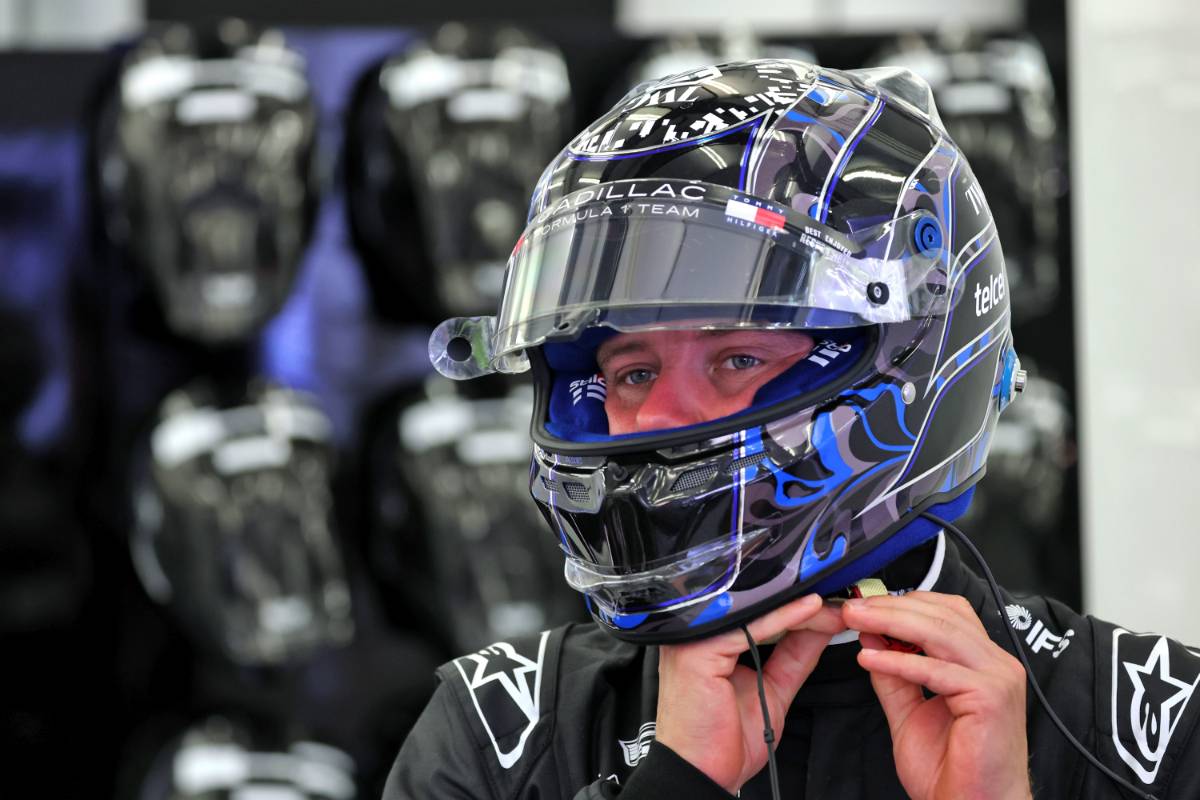

F1 drivers grapple with 'ridiculously complex' 2026 power units in Bahrain testing
F1 drivers are confronting the steep learning curve of the sport's new 2026 power units during pre-season testing in Bahrain, with Lewis Hamilton calling the technology "ridiculously complex" and questioning how fans will ever understand it. The new regulations, featuring a near 50:50 split between electrical and internal combustion power, require drivers to master intricate energy management that is increasingly dictated by software algorithms rather than pure instinct.
Why it matters:
The 2026 season represents the most significant technical shift in a generation, moving the sport towards greater electrification. How drivers and teams adapt to these complex new systems will define the competitive order, but a major challenge lies in making the on-track battles and driver skill comprehensible to the viewing public. If the spectacle becomes too opaque, it risks alienating fans.
The details:
- Algorithm-Driven Performance: A key emerging theme is that while drivers have more influence over car performance through their choices on each lap, software will ultimately determine the optimal points for deploying and harvesting electrical energy. This could reduce the visible differentiation in driver skill.
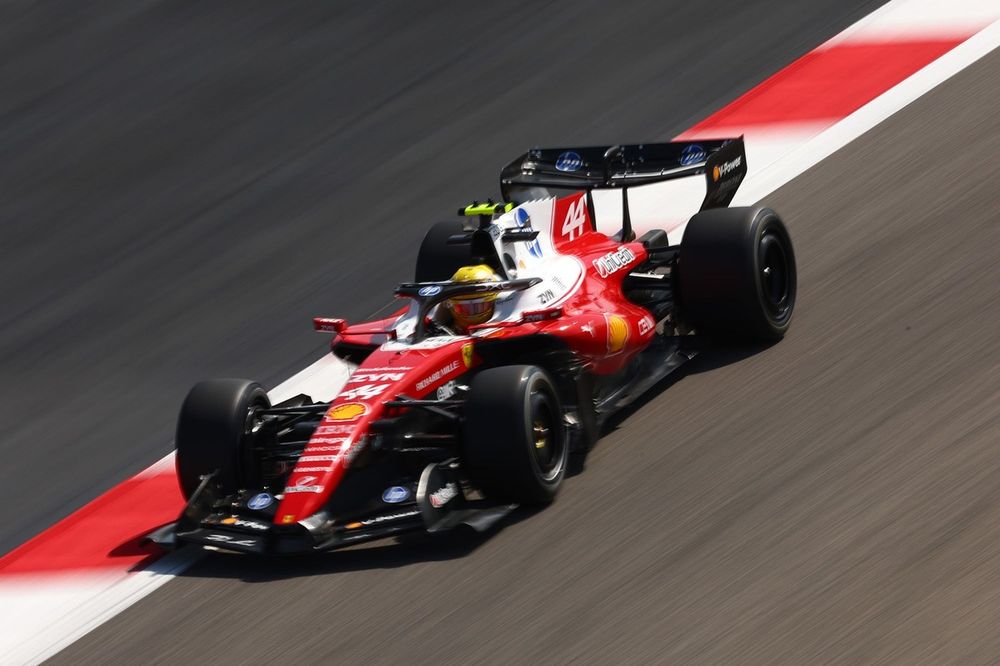
- Hamilton's First Impressions: After his first morning testing Ferrari's SF-26, Lewis Hamilton expressed significant concern about the complexity, stating, "None of the fans will understand it, I think. It's so complex, it's ridiculously complex... it's like we need a degree to fully understand it all."
- On-Track Adaptation Challenges: Drivers are experimenting with radically different techniques, including:
- Extensive lift-and-coast phases (reportedly up to 600m on a qualifying run in Barcelona).
- Revving the engine extremely high in low gears (even down to first gear) to turn the electric motors and generate battery power.
- Managing significant turbo lag, especially during race starts.
- A Trade-Off for Power: The aggressive energy recovery methods come at a cost. Running in low gears and lifting early sheds downforce, particularly at the rear, leading to cars that are more unstable and "slide around" significantly more.
What's next:
Teams will continue their performance-focused programs in Bahrain, moving past the initial shakedown phase. The central narrative of the 2026 preseason will be the race between teams to decode the optimal driveability and energy management strategies. The ultimate test will be whether this new era of hyper-efficient, algorithm-aided racing can produce the clear, driver-centric battles that fans crave, or if the complexity becomes a barrier to engagement.
Original Article :https://www.motorsport.com/f1/news/hamilton-none-of-the-fans-will-understand-ene...