



F1 drivers face 'rewiring your brain' challenge with 2026 cars' energy demands
The first test of 2026-spec Formula 1 cars revealed a significant shift in driving style, with drivers describing the need to be "really open-minded" and adapt to "counter-intuitive" techniques to manage enormous new energy-harvesting demands. While the fundamental feel remains that of a race car, mastering the complex balance between harvesting energy and deploying it for lap time will be a key differentiator.
Why it matters:
The 2026 regulations, with a much larger 4MJ battery powering nearly half the car's total output, fundamentally change the driver's role. Success will hinge not just on traditional bravery and car control, but on becoming an efficient on-track energy manager. This could reshape the competitive order, favoring drivers who can best adapt their instincts to a new set of technical imperatives.
The details:
- Energy Management is Paramount: Drivers must constantly balance harvesting energy (via braking and specific engine techniques) with deploying the 350kW electric motor's power. As George Russell noted, going faster through corners spends more energy and harvests less, which can leave you with less power for the straights.
- Altered Corner Approach: Maximizing harvest can mean downshifting earlier on straights and using lower gears through corners than before. This affects the car's turn-in and requires drivers to recalibrate their braking references.
- Unpredictable Straight-Line Speed: Deployment strategies can vary lap-to-lap, meaning a driver might enter a corner significantly faster on one lap without an obvious reason, complicating consistency.
- Reduced Downforce & Mechanical Grip: Drivers reported a noticeable lack of downforce, particularly in medium and low-speed corners, leading to longer braking zones and more challenging traction, exacerbated by smaller tires.
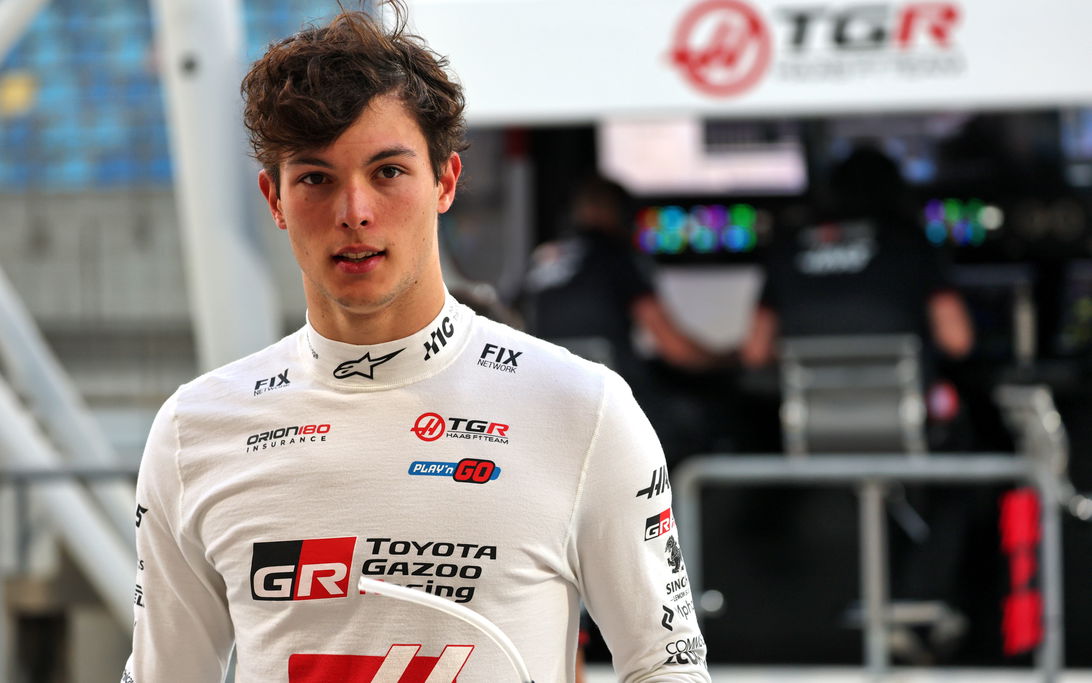
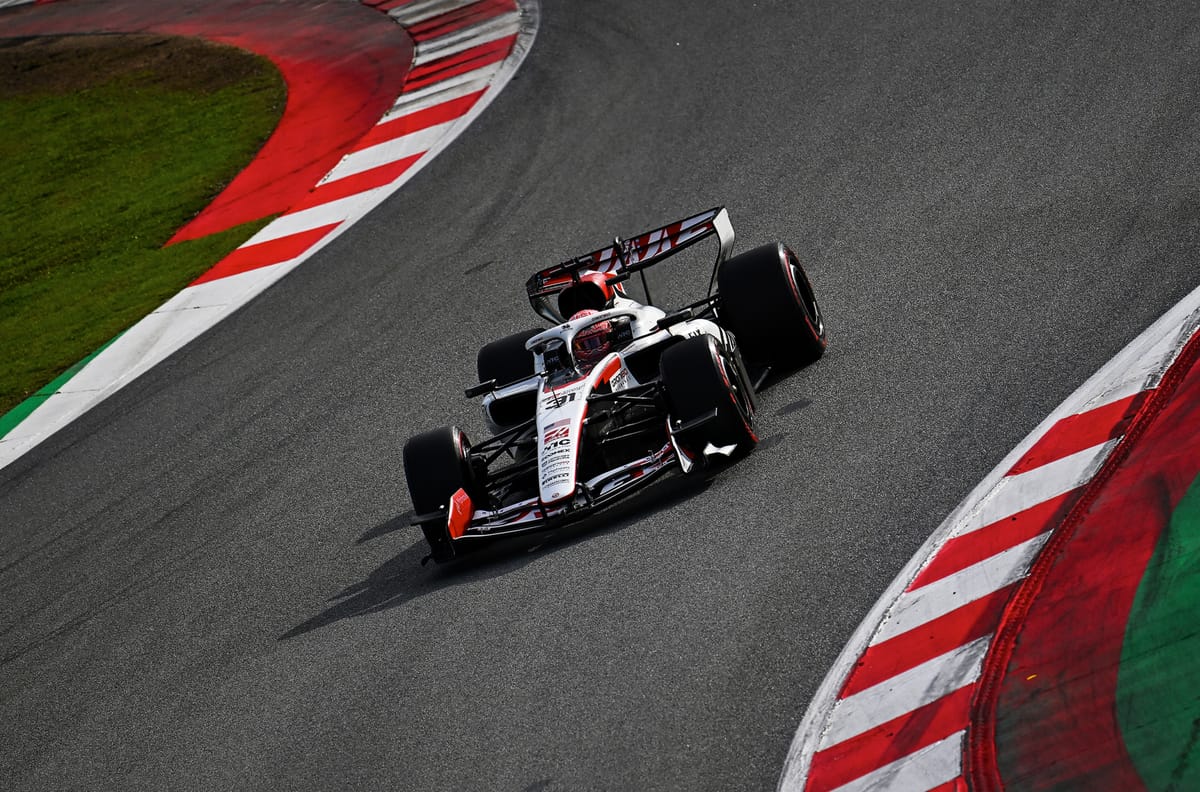
- A Trade-Off Between Driveability and Performance: Haas Team Principal Ayao Komatsu highlighted the "conflicting objectives" drivers face. Techniques that maximize energy recovery can make the car very difficult to drive, forcing teams to find a balance between drivability and ultimate energy deployment.
What's next:
The Barcelona test provided only a first glimpse, and teams are in the "very, very early stages" of understanding these new cars. While the initial fear of an "engineering race from the cockpit" has been alleviated, a major development focus will be refining hardware and software to make energy management more intuitive for the drivers. The drivers who most effectively "rewire" their instincts to optimize this new efficiency equation will likely hold a critical advantage when the new era begins.
Original Article :https://www.the-race.com/formula-1/what-weve-learned-about-f1-2026-driving-style...
