





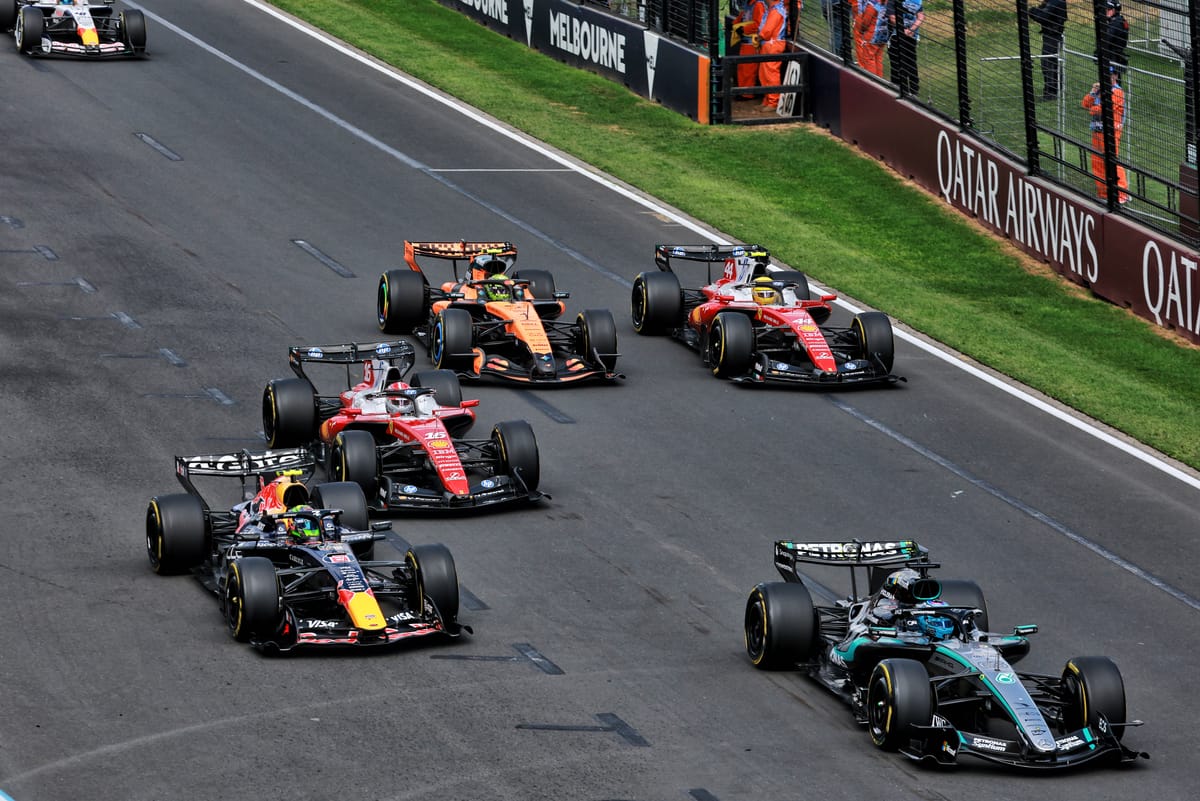
F1 Drivers Divided Over 2026 Cars After Chaotic Australian GP
A stark divide has emerged among Formula 1 drivers following the chaotic first race of the 2026 season, with many criticizing the new cars as "dangerous," "artificial," and "a lot less fun," while others, including the race winner, urge patience with the revolutionary regulations. The Australian Grand Prix exposed significant concerns over safety, unpredictable racing, and the overwhelming influence of battery management on on-track battles.
Why it matters:
The fundamental driver experience and the essence of wheel-to-wheel racing are under scrutiny. If a significant portion of the grid feels the new cars are unsafe or produce unsatisfying competition, it undermines the core product of F1. The criticism centers not on a single team's performance but on the foundational 2026 rules package—a rare and serious rebuke from those inside the cockpit.
The Details:
- Safety Concerns Dominate: Multiple drivers highlighted dangerous scenarios created by the new active aerodynamics and energy deployment. Carlos Sainz called the Straight Line Mode (SLM) "really dangerous" on lap one, while Lando Norris warned of inevitable "big accidents" due to massive, unpredictable closing speeds when cars run out of battery boost.
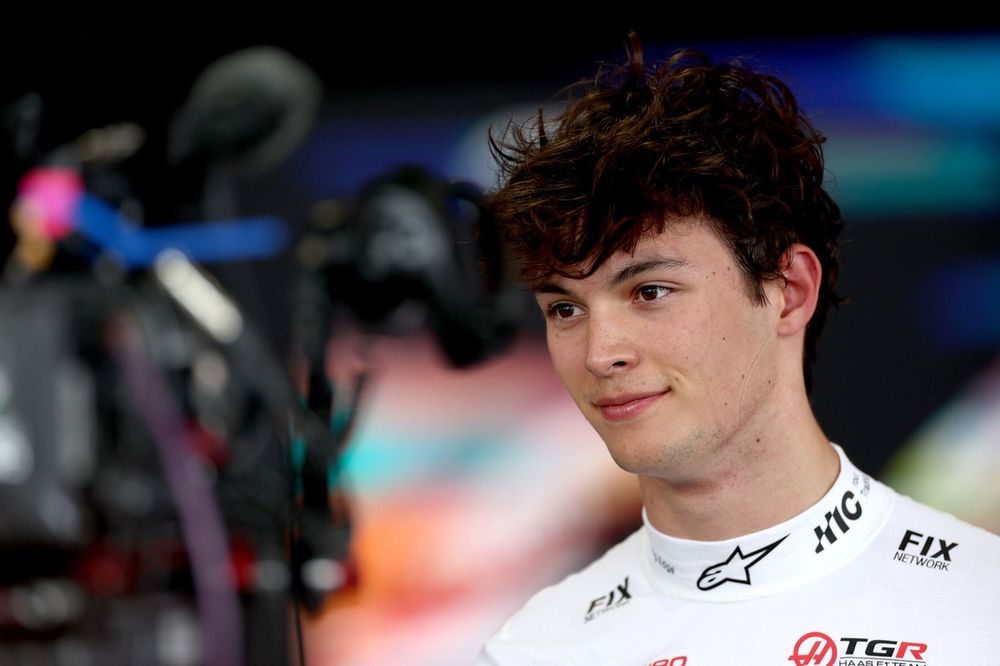
- 'Artificial' and 'Painful' Racing: Drivers in the midfield, who experienced prolonged battles, were particularly scathing. Esteban Ocon described the process as "painful" and "very artificial," noting that overtakes were immediately reversed on the next straight due to energy harvesting. Ollie Bearman likened it to "Formula E," criticizing the non-linear payoff of the boost system.
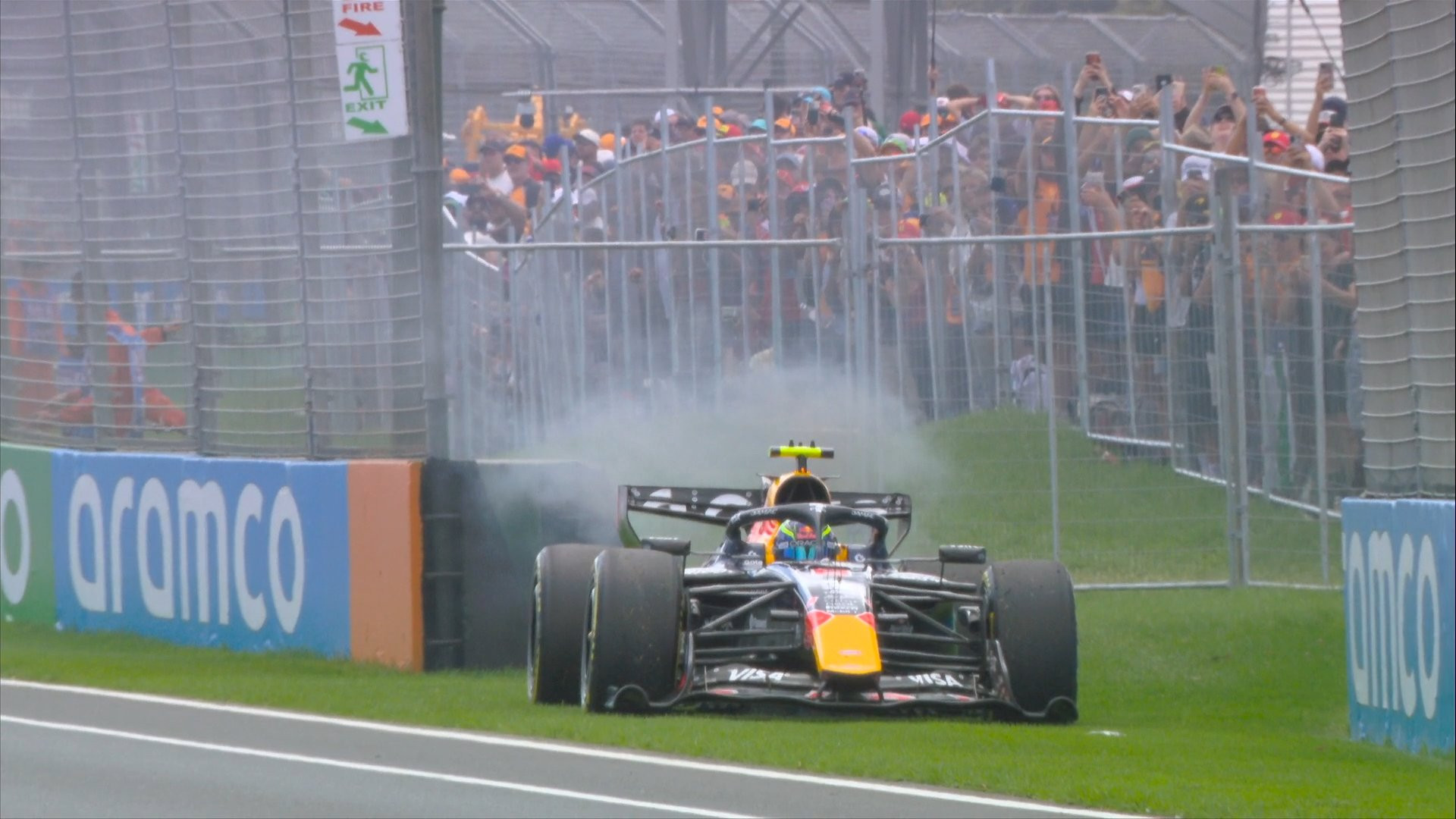
- Battery Management Dictates Action: The core complaint is that racing has become a strategic energy chess game rather than a pure contest of bravery and skill. Sergio Perez, returning after a year away, said it was "very hard to understand" and "a lot less fun," with small throttle adjustments creating huge, unintuitive speed differences.
- A Performance-Based Divide: Criticism is not universal, creating a clear correlation between competitive position and opinion. Race winner George Russell called for giving the rules a chance, suggesting unhappy drivers were also in slower cars. Lewis Hamilton, despite finishing off the podium, "personally loved it" and found the car "really fun to drive."
What's Next:
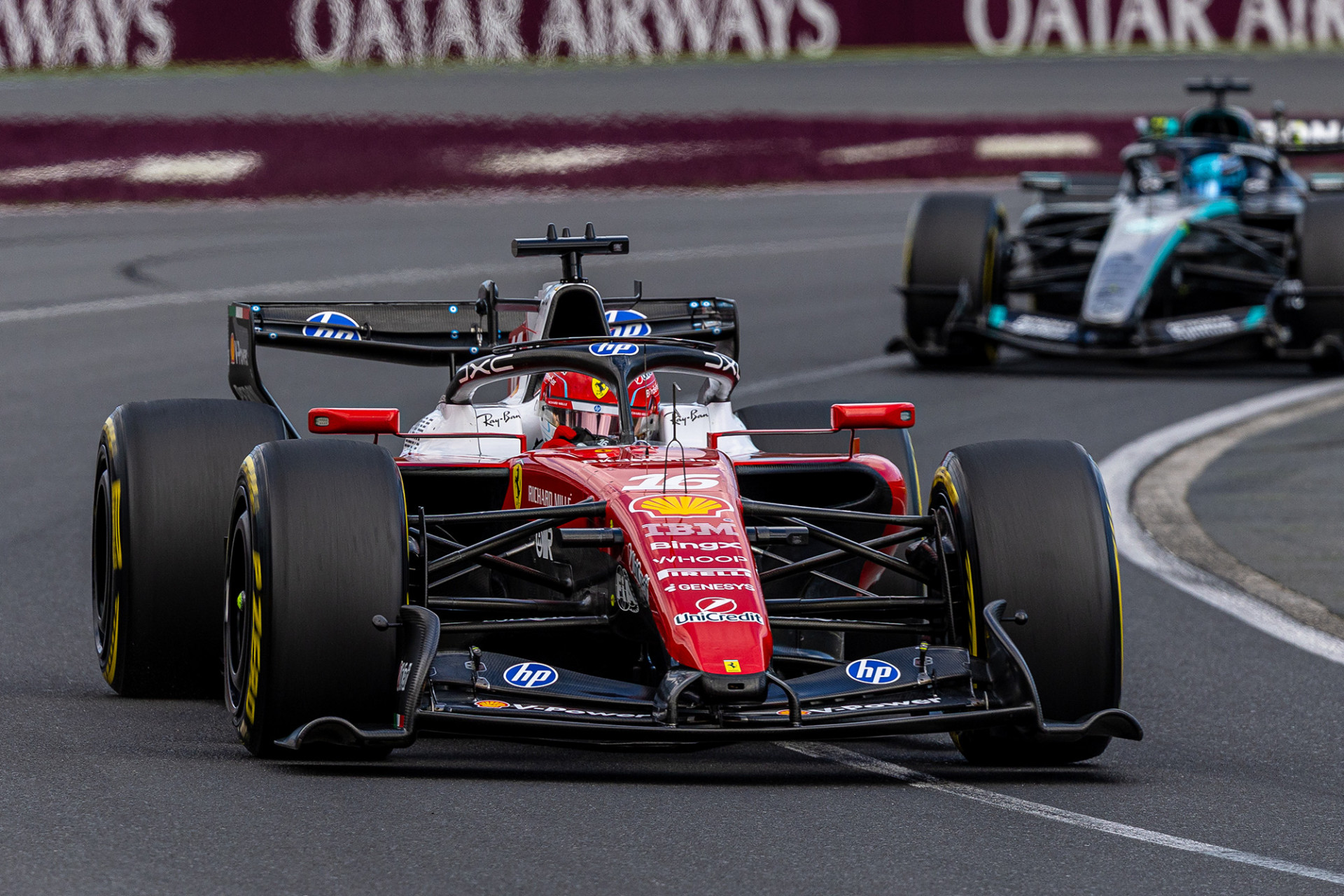
The FIA and Formula 1 face mounting pressure to address safety concerns, particularly around the SLM system's stability in traffic and the risk of extreme speed differentials. While some, like Charles Leclerc, accept this is simply "a different way to go about racing," the chorus of safety warnings from experienced drivers cannot be ignored. The coming races will be critical in determining whether these are early-season teething problems or fundamental flaws in the 2026 concept, forcing a potential reevaluation of the active aero and energy deployment rules.
Original Article :https://www.the-race.com/formula-1/ridiculous-or-really-fun-f1-drivers-divided-o...
