





F1 Chinese GP FP1: Teams scramble in lone practice session
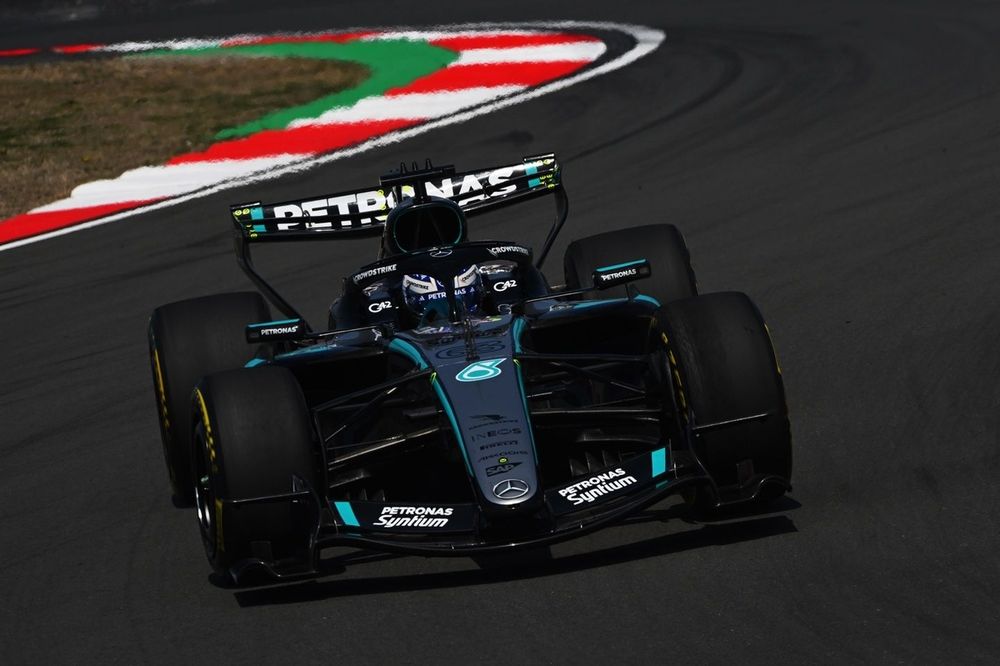
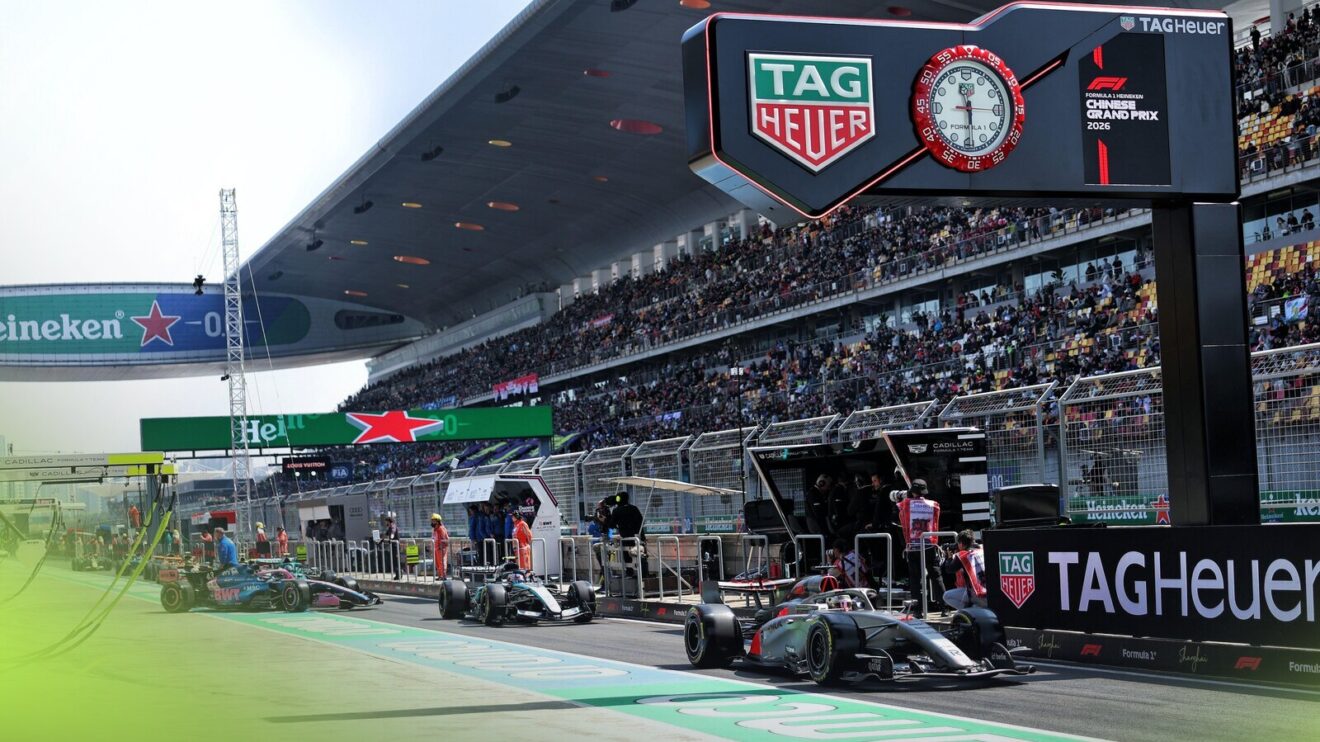
Formula 1 teams faced a compressed and frantic schedule during the sole practice session for the Chinese Grand Prix, the first event of the season to feature the Sprint format. With just one hour to gather critical setup data before Sprint Qualifying, the pit lane was a hive of activity as drivers and engineers worked to maximize track time and adapt to the Shanghai International Circuit for the first time since 2019.
Why it matters:
The shift to a single practice session fundamentally alters the weekend's rhythm, placing a premium on efficient data collection and leaving minimal room for error. Teams cannot rely on multiple sessions to dial in their cars, making every lap in FP1 exponentially more valuable for understanding tire behavior, car balance, and track evolution ahead of the competitive Sprint sessions later the same day.
The details:
- The Sprint format's debut in 2024 condenses the traditional weekend, eliminating two practice sessions and forcing an immediate shift into a competitive mindset on Friday.
- The primary objective for all ten teams was to conduct baseline runs, test both tire compounds (Pirelli brought the C2, C3, and C4), and begin setting up their cars for the unique demands of the Shanghai circuit.
- Track evolution was a significant factor, as the surface was particularly dusty and green after five years without F1 running, making lap times inconsistent early in the session.
- Teams ran diverse programs, with some focusing on single-lap pace simulation for qualifying and others concentrating on longer runs to gather tire degradation data relevant for both the Sprint and the Grand Prix.
What's next:
The pressure ramps up immediately following the checkered flag in FP1. Teams have a short window to analyze the collected data before cars return to the track for Sprint Qualifying (SQ). This session sets the grid for Saturday's Sprint race, which in turn awards championship points. The condensed schedule means strategic decisions made based on FP1 data will have immediate and consequential results, setting the early narrative for the entire weekend in Shanghai.
Original Article :https://www.planetf1.com/news/f1-live-2026-chinese-grand-prix-fp1-updates