








F1 Announces Major Technical Change for Next Race
In a surprising and rapid response to ongoing criticism from drivers and fans, Formula 1 and the FIA will introduce a major technical change starting at the upcoming Miami Grand Prix: the installation of wind turbines on the cars. The move, reportedly greenlit in a secret meeting involving four-time champion Sebastian Vettel, aims to harness aerodynamic energy to reduce the need for aggressive battery management and minimize dangerous speed differentials on straights.
Why it matters:
The 2026 regulations have faced intense scrutiny for shifting focus away from the driver and creating significant performance trade-offs. This unprecedented mid-season change signals a willingness to adapt quickly to feedback, but it also introduces a radical and untested technology directly into competition, posing immediate reliability and safety questions for teams and drivers.
The details:
- The decision was finalized on April 1st following a secret meeting between F1, the FIA, and Sebastian Vettel, and is a direct response to criticism over the new power unit regulations.
- The turbines, mounted on the car's airbox, are intended to capture and store energy that is otherwise wasted during running, theoretically reducing reliance on 'super-clipping' battery modes.
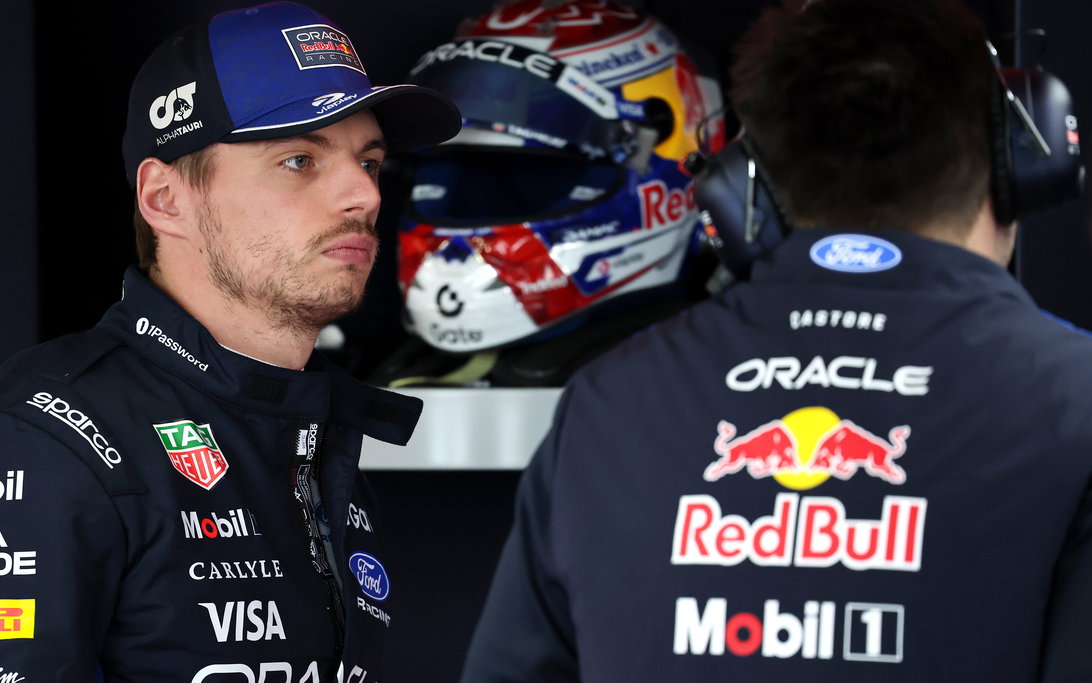
- Early Testing Troubles: Initial tests at Silverstone revealed significant problems. Red Bull's Max Verstappen and Isack Hadjar both tipped over in the high-speed Copse corner due to the added weight and higher center of gravity.
- Unintended Aerodynamics: Contrary to FIA calculations, the turbines are generating excessive lift on straights. Verstappen reported that his front end lifted off the ground, causing damage to the floor upon landing.
- Despite the issues, Verstappen noted a potential upside, stating, "I'm glad that the driver can now push to the limit again," as the generated energy could alleviate battery management constraints in corners.
What's next:
The rollout in Miami will be a high-stakes experiment. Teams have virtually no time to properly integrate or test the new components, guaranteeing a weekend of unpredictability.
- If the turbines perform as intended, they could mitigate one of the most criticized aspects of the 2026 rules and change energy management strategies overnight.
- However, the evident stability and safety concerns from testing suggest the first race with the new devices could be chaotic, with teams scrambling to find setups that prevent their cars from becoming airborne.
- Looking further ahead, F1 is also reportedly exploring photovoltaic (solar panel) technology, indicating a continued push towards harvesting ambient energy, though the wind turbine experiment will be the immediate focus.
Original Article :https://f1-insider.com/formel-1-grosse-technische-aenderung-regeln-77218/