




F1 Addresses Broadcast Criticism Following Sainz's Remarks
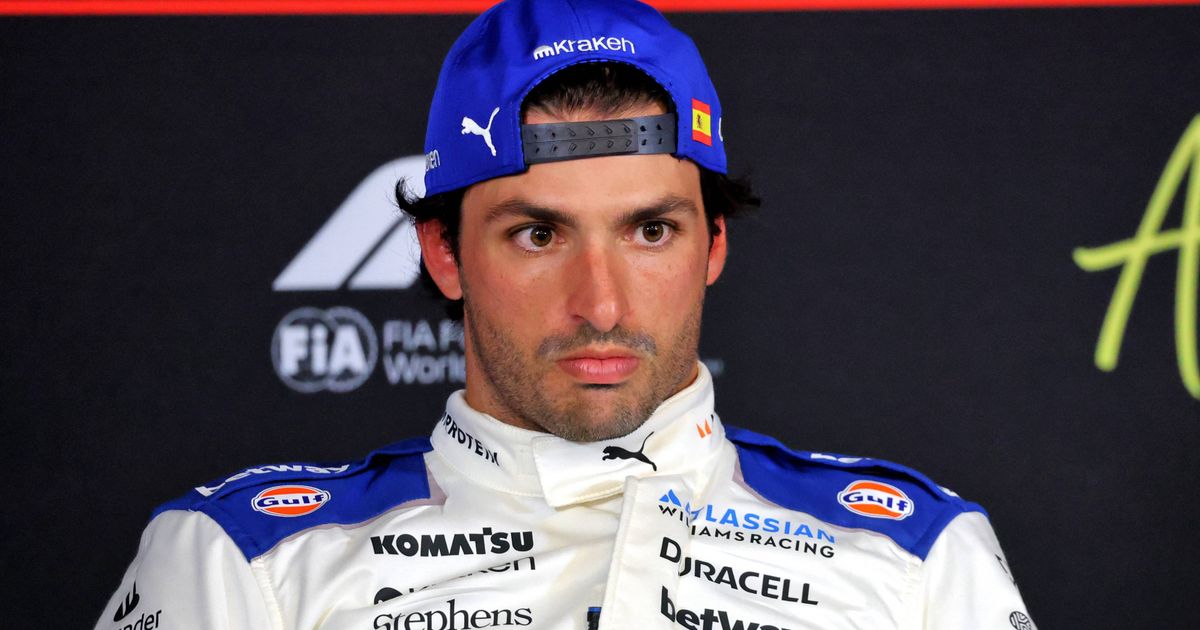
Formula 1's Director of Broadcast and Media, Dean Locke, has clarified F1's broadcasting philosophy after recent criticisms from Carlos Sainz regarding too much focus on VIPs and off-track elements. Locke stated that some comments were "taken a bit out of context" and emphasized the need to capture the overall event atmosphere, not just on-track action.
Why it matters:
F1's broadcast strategy is crucial for engaging its global audience, balancing the need for thrilling on-track action with the broader spectacle of the sport. Criticisms from high-profile drivers like Sainz can influence public perception and potentially push F1 to re-evaluate its content approach, highlighting the tension between pure racing fans and those who enjoy the wider F1 lifestyle.
The Details:
- Sainz's Criticism: During the Singapore GP, Carlos Sainz expressed frustration that the broadcast missed key on-track moments
- He cited his own charge through the field, Lewis Hamilton's brake issues, and Fernando Alonso closing in as examples of missed action.
- Instead, he claimed the broadcast focused too much on VIPs and partners in the pit lane.
- F1's Defense: Dean Locke, F1's Director of Broadcast and Media, countered Sainz's remarks in an interview with Motorsport.com.
- He stated that off-track shots were shown only three times during the race and not during critical on-track action.
- Locke emphasized F1's responsibility to convey the entire event's atmosphere, including the grid, fans, and podium, not just the racing itself.
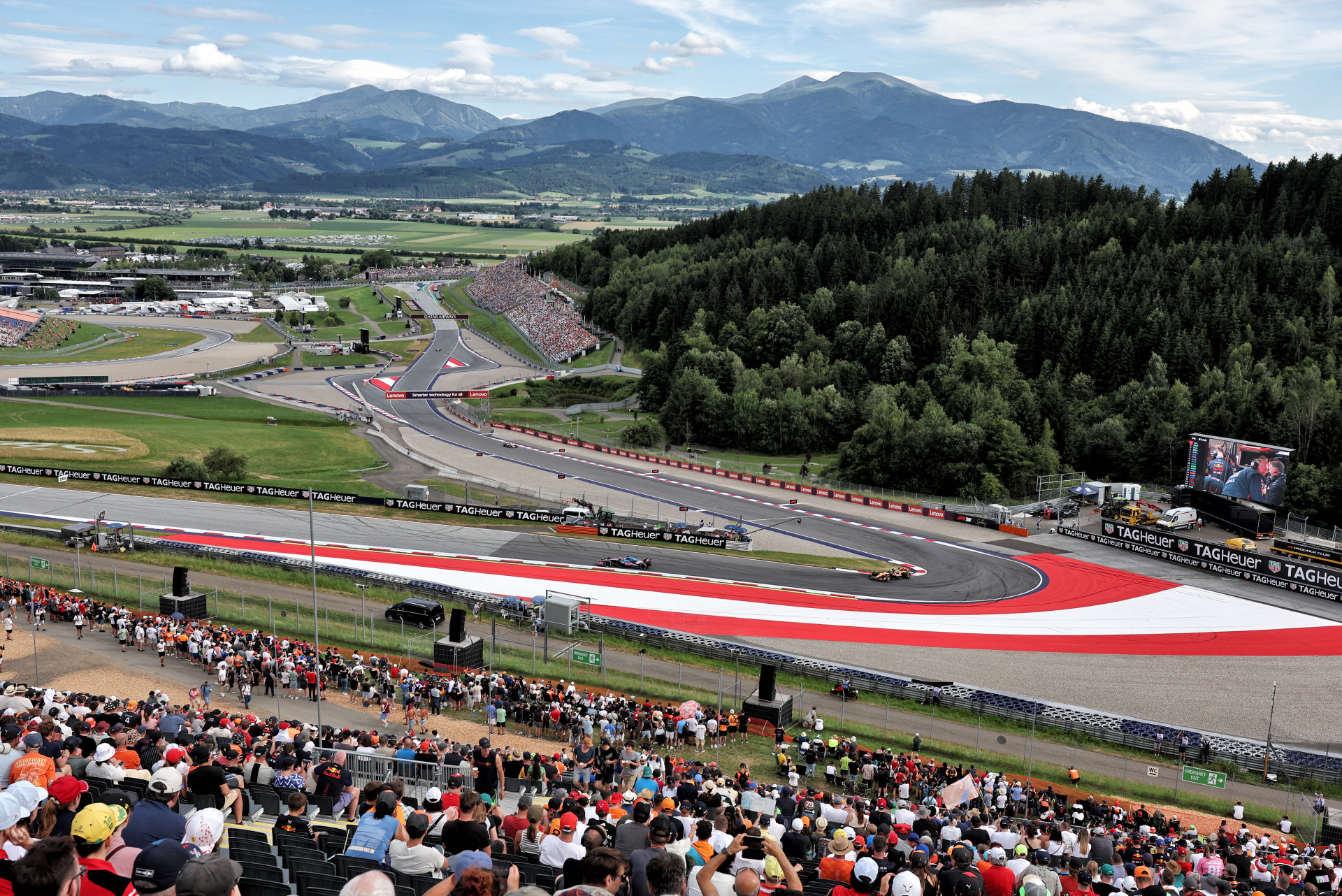
- Highlighting Circuit Uniqueness: Locke further explained that showing elements beyond the cars helps viewers understand the circuits and their unique characteristics.
- He mentioned tracks like Abu Dhabi, Austin, and Monza, which have distinct "vibes" that need to be conveyed.
- The goal is to prevent the broadcast from becoming just "close-ups of cars on the track" where viewers wouldn't know the location.
- Driver Protection: Locke also reiterated F1's aim to "protect [drivers] and showcase them in the best possible way how exceptional they are as athletes."
Between the lines:
This exchange underscores the challenge F1 faces in satisfying diverse fan expectations. While hardcore fans prioritize every second of racing, F1 aims to attract a broader audience by showcasing the glamour and unique culture surrounding each Grand Prix. Finding the right balance is key to growing the sport while retaining its core viewership.
What's next:
- Alonso's Radio Remarks: Locke also addressed Fernando Alonso's sarcastic team radio messages aimed at FOM during the Mexican GP, acknowledging Alonso's incredible ability but stressing that F1 is "not his mouthpiece."
- Continued Evolution: F1's broadcasting philosophy is constantly evolving, and driver feedback, combined with audience analytics, will likely continue to shape how races are presented in the future. The sport will aim to refine its approach to ensure both thrilling racing moments and the broader F1 spectacle are adequately covered.
Original Article :https://www.gpblog.com/en/news/sainz-criticism-of-coverage-prompts-f1-to-outline...
