






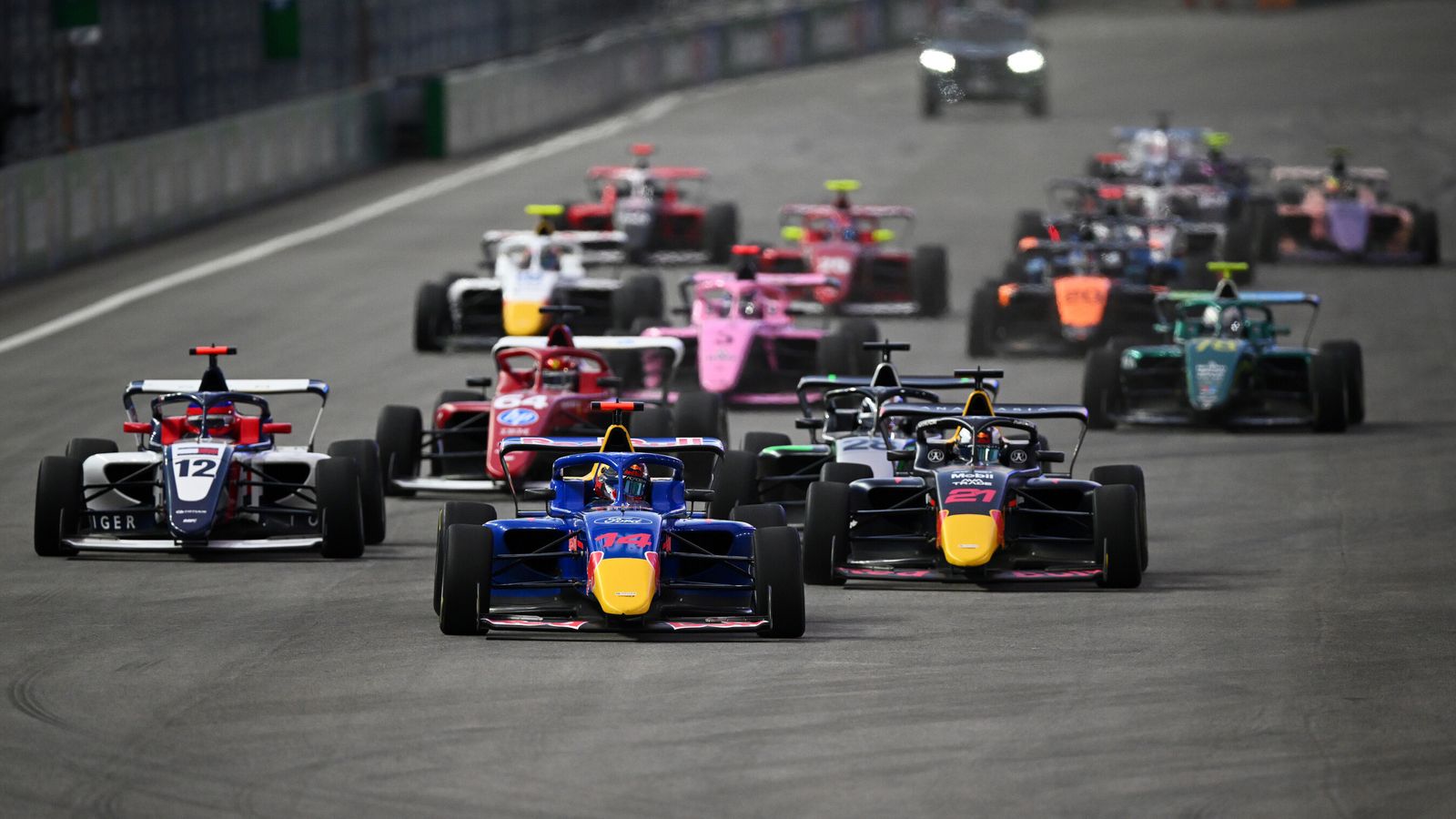
F1 Academy returns with new season, aiming to develop future female F1 drivers
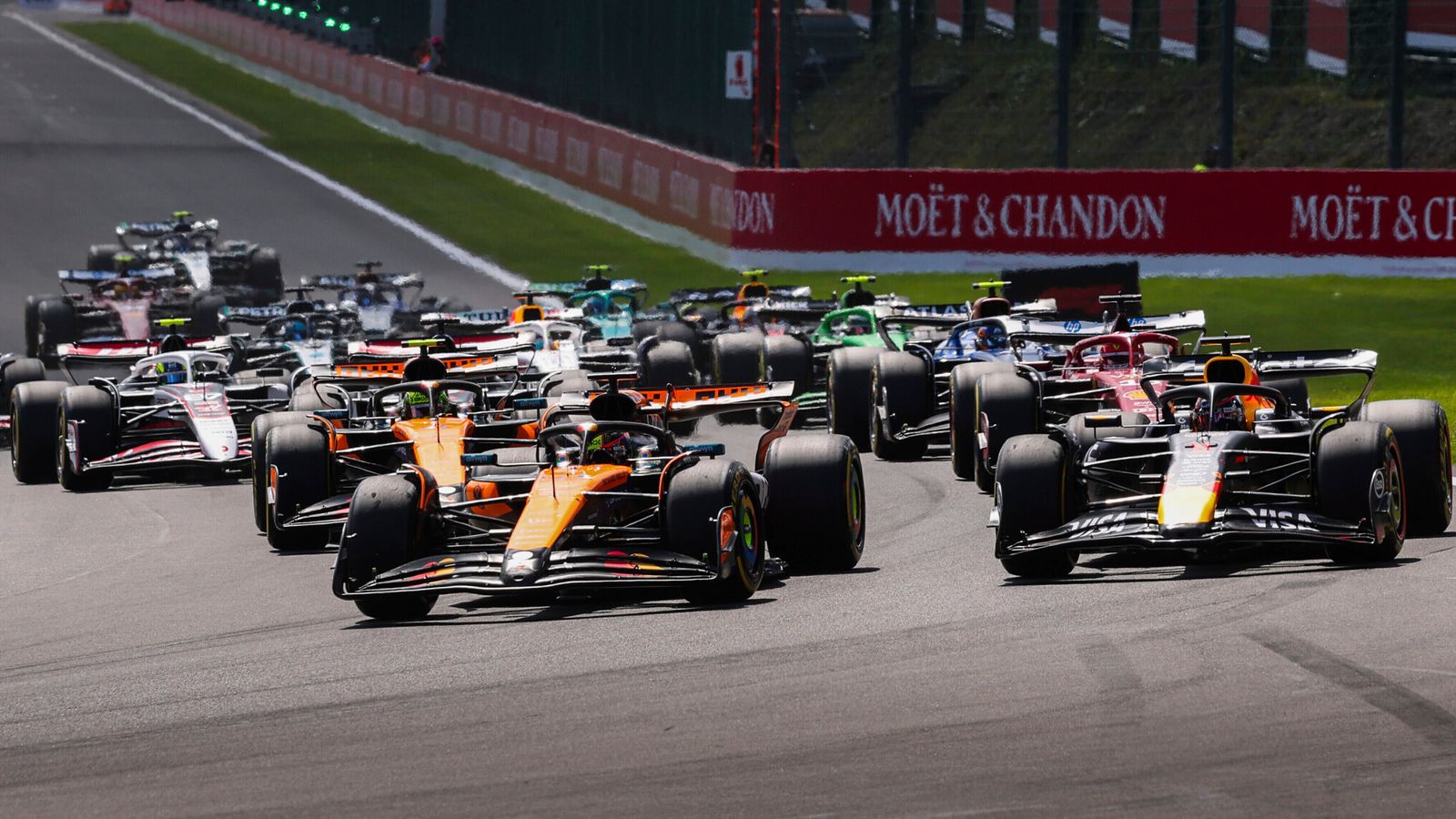
The F1 Academy all-female driver series kicks off its 2026 season this weekend in Shanghai, featuring a refreshed grid of young talent following an intense 2025 title fight. The series, which races on F1 weekends, continues its mission to prepare drivers for the upper tiers of the motorsport ladder, with the ultimate goal of seeing a woman compete in Formula 1 again.
Why it matters:
F1 Academy represents the most structured and well-funded pathway for female drivers in modern motorsport history. With direct support from Formula 1 and teams, it provides crucial track time, technical education, and high-profile visibility that has been historically lacking. Its success is seen as vital for increasing diversity and creating a sustainable pipeline of talent capable of reaching F1, a feat not accomplished since Lella Lombardi's last race in 1976.
The details:
- New Faces for 2026: The top three from 2025—champion Doriane Pin, runner-up Maya Weug, and Chloe Chambers—have graduated due to a two-season participation limit. This opens the door for a new title fight among returning sophomores and promising rookies.
- The Contenders: Experienced second-year drivers like Britain's Ella Lloyd and Alisha Palmowski (who finished in the top five last year) and the Netherlands' Nina Gademan are expected to lead the championship charge.
- The Rookies: The grid includes four British rookies: Megan Bruce, Ella Stevens, Rachel Robertson, and Payton Westcott from the USA, who joins defending teams' champions Prema.
- The Car: All drivers compete in equal Tatuus T421 chassis (also used in Formula 4), powered by 174 horsepower turbocharged engines, with a top speed of 149mph.
- The 2026 Calendar: The seven-round season supports F1 events in Shanghai, Jeddah, Montreal, and a debut at Silverstone for the British GP. After a summer break, rounds follow in Zandvoort, a return to Austin's Circuit of the Americas, and the finale in Las Vegas.
- Weekend Format: Each event features one practice session, qualifying, and two races. The first race uses a reverse grid for the top eight qualifiers, awarding fewer points (10 for a win). The second race uses a standard F1 points system (25 for a win), with the grid set by qualifying.
What's next:
The spotlight is now on the new generation of drivers to create their own dramatic narrative starting in China. All eyes will be on whether the series' graduates can make the jump to Formula 3 in the coming years, a critical next step toward the ultimate goal of F1. The 2026 season will test the depth of talent in the academy and its effectiveness as a genuine feeder series.
Original Article :https://www.skysports.com/f1/news/12433/13518104/f1-academy-2026-calendar-teams-...